Why Does My Cat Cover His Food? Causes and Fixes
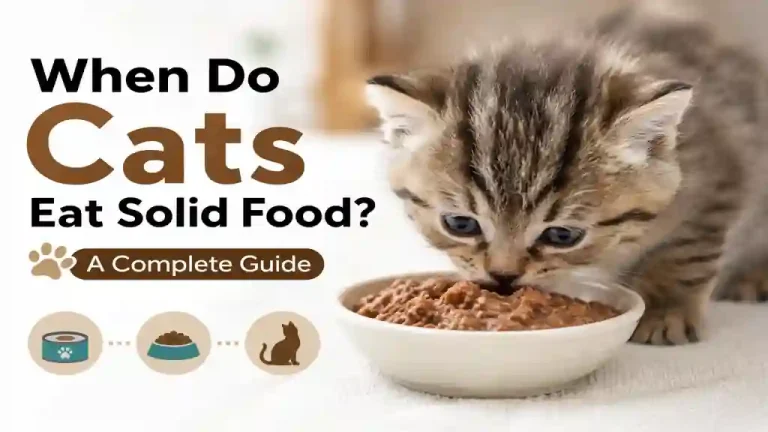
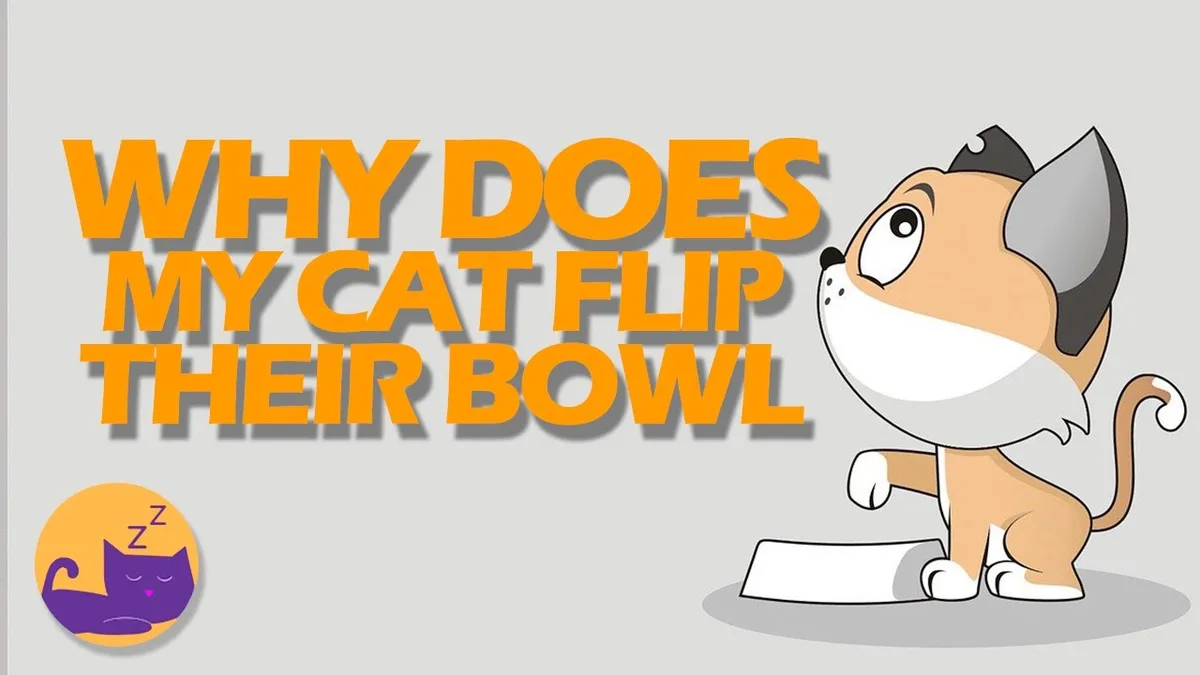
You watch your cat push his food bowl across the floor, paw at the kibble, and then scratch the surrounding surface like he’s burying a treasure. It’s a little weird, and honestly, maybe a bit messy. But the question on your mind is a fair one: why does my cat cover his food?
The short answer is that your cat is not being difficult, he’s following instincts that stretch back thousands of years. But here’s the thing: the specific reason depends on your cat’s personality, his environment, and the feeding setup you’re using. Research from the American Veterinary Medical Association notes that food-related behaviors in domestic cats often mirror wild feline survival strategies, and understanding which one is at play can save you frustration (and your floors).
Let’s walk through the possibilities so you can figure out exactly what’s going on, and what to do about it.
Quick Answer
Your cat covers his food because of instinct. Wild cats hide leftovers from predators or other cats. Domestic cats do the same.
He might also dislike his bowl. Or he might be stressed about other pets. Start with bowl shape and material.
Then check for competition. If nothing works, see a vet.
Why Your Cat Covers His Food – The Real Reason
This behavior is called “caching” in the animal world. In the wild, a cat who catches more than he can eat will scrape dirt over the leftovers to hide the scent from scavengers and larger predators. Your house cat still has that wiring even though he’s never hunted a mouse in his life.
But the instinct doesn’t always mean he’s planning to eat later. Sometimes it’s a signal that something feels off about his feeding situation. Maybe the food smells too strong.
Maybe another cat is watching him eat. Maybe the bowl hurts his whiskers. The key is to treat this like a decision tree: start with the most common causes, rule them out one by one, and watch for changes in his behavior.
Let’s start with the fastest check you can do right now.
The One Thing to Check First (Before You Assume Anything)
Before you dive into cat psychology, take 30 seconds to look at the bowl and the food itself.
Is the food fresh? Wet food that’s been sitting out for hours can develop a film that cats find unappealing. Dry food that’s past its prime (check our guide on how long dry cat food stays good) may have lost its scent or even gone slightly rancid. If your cat covers it, he might be trying to “seal” something he already considers spoiled.
Is the bowl clean? Plastic bowls can hold odors even after washing. Ceramic and stainless steel are better. If you can smell a faint leftover whiff of yesterday’s wet food, your cat definitely can.
Did his behavior start suddenly? A cat who has been eating normally for years and suddenly starts covering his food may have a dental issue or mouth pain. Food hurts when he chews, so he tries to get rid of it. That’s a vet visit, not a bowl adjustment.
If the food is fresh, the bowl is clean, and the behavior is ongoing, move to the branches below.
Branch 1: The Instinct to Hide Food From Other Cats
If you live in a multi-cat household, this is the most likely reason.
Cats see food as a limited resource even when you fill the bowl every morning. A nervous cat will hide food so that a more dominant cat doesn’t steal it. This is classic resource guarding, and it’s especially common in homes where cats don’t get along perfectly.
Signs this is your branch:
- You have two or more cats
- One cat watches the other while it eats
- The covering cat eats quickly or seems anxious at mealtime
- You find kibble hidden in corners, under rugs, or behind furniture
What helps: Feed cats in separate rooms or at different times. Even a visual barrier between bowls can reduce stress. Some owners use microchip-activated feeders that only open for the correct cat.
If the covering stops when the other cat is out of sight, you’ve found your answer.
Branch 2: He Doesn’t Like the Bowl (Yes, That’s a Thing)

A surprising number of cats cover their food simply because the bowl is uncomfortable. The medical term is whisker fatigue, though veterinarians sometimes call it “whisker stress.” When a cat’s whiskers repeatedly brush against the sides of a deep, narrow bowl, the sensory overload can make eating unpleasant. So he tries to cover the bowl to avoid it.
Check these bowl features:
- Depth: A shallow dish or a flat plate is often better
- Width: The bowl should be wide enough that whiskers don’t touch the sides
- Material: Plastic can hold odors; stainless steel and ceramic are easier to keep clean
- Non-slip base: Cats who have to chase a sliding bowl may give up and try to bury it instead
If your cat’s bowl is deep, narrow, or made of plastic, swap it for a proper cat feeding dish and see if the covering behavior stops within a few days.
Branch 3: He’s Saving It for Later (Food Caching)
Some cats are just planners. They cover their food because they genuinely intend to come back to it.
This branch is most common when you free-feed dry kibble. The bowl stays full all day, so the cat eats a few bites, covers the rest, and walks away. He’s treating the bowl like a pantry.
Signs of food caching:
- He only covers dry food, not wet food
- He returns to the bowl later and eats more
- He paws at the floor beside the bowl rather than the food itself
- He lives in a single-cat home with no competition
What helps: If the behavior doesn’t bother you, you can leave it alone. But if scattered kibble or the scratching is driving you crazy, switch to scheduled meals with a portioned amount. When the bowl is empty between feedings, there’s nothing to cache.
Many owners find that moving to wet food at mealtimes reduces the urge to stash because wet food spoils too fast to save.
Branch 4: He Associates the Bowl With Something Bad
Sometimes the problem isn’t the bowl itself but what happened near it.
Cats have excellent memories for negative experiences. If your cat was startled by a loud noise while eating, chased away by another pet, or even suffered from nausea after a meal, he may now connect that spot or bowl with danger. Covering the food becomes a way to make the “threatening” object disappear.
Signs of a negative association:
- He approaches the bowl slowly or hesitantly
- He flinches or looks around before eating
- He only covers the food after a stressful event in the room
- The behavior started after a specific incident (a dog bark, a child’s loud toy, a vacuum cleaner)
What helps: Move the bowl to a quiet, low-traffic area of your home. A corner with a wall behind the bowl gives him a sense of security. If he still seems anxious, try feeding him on a flat plate in a completely different room for a few days.
If the covering stops, the original location or bowl was the trigger.
How to Tell Which Branch Your Cat Is On
You don’t need to guess. Use these three questions to narrow it down quickly.
Question 1: Is the behavior new or lifelong?
- New = likely a negative association or a health issue. Check for recent changes in your home.
- Lifelong = likely instinct or food caching. That’s normal behavior you can manage.
Question 2: Does he cover wet food or dry food?
- Wet food only = he’s trying to mask a strong smell. This is pure instinct.
- Dry food only = food caching or bowl discomfort. He’s saving it or trying to avoid the bowl.
- Both = stress or competition from other pets.
Question 3: Who else lives in your home?
- Multiple cats = start with Branch 1 (competition).
- Single cat = try Branch 2 (bowl) and Branch 3 (caching) first.
If you still can’t narrow it down after these questions, try the step-by-step process below.
What to Do Next – Step by Step
The goal is to change one variable at a time and watch for a response. Change too many things at once and you won’t know what fixed it.
Step 1: Switch to a wide, shallow bowl or a flat plate. Use ceramic or stainless steel. Keep the bowl in the same spot.
Step 2: If covering continues after three days, move the bowl to a new quiet location. No other changes.
Step 3: If still covering, start feeding smaller portions on a scheduled basis. Remove the bowl after 20 minutes. No free-feeding.
Step 4: For multi-cat homes, feed cats in separate rooms. Use a baby gate or closed door. Do this for at least one week.
Step 5: If covering persists through all of the above, schedule a vet visit. There may be an underlying health issue.
Keep a simple log. Note the date, the change you made, and whether the covering stopped. Four data points are usually enough to see a pattern.
Common Mistakes That Make the Problem Worse
A few well-intentioned fixes can actually reinforce the behavior.
Scolding or punishing your cat. Cats don’t understand punishment for instinctive behaviors. Yelling or spraying water will only increase his anxiety and make the covering more intense.
Switching foods too quickly. A sudden diet change can upset his stomach. He may then associate the new food with discomfort and try to bury it. Always transition over 7 to 10 days, mixing old and new food.
Ignoring the bowl material. Plastic bowls are porous and hold bacteria. Even after washing, they can develop a biofilm that smells off to your cat. Stainless steel or ceramic are much better options.
Assuming it’s always instinct. While instinct is common, it’s not the only explanation. Skipping the bowl check or the health check can leave an underlying problem untreated.
When to Call the Vet
Image source: YouTube / AnimalWised (YouTube thumbnail (fair-use with source credit))
This behavior alone rarely signals a medical emergency. But there are times when a vet visit is warranted.
Call your vet if:
- The covering behavior started suddenly and your cat is also eating less
- He shows other signs of pain: drooling, pawing at his mouth, hiding more than usual
- He has vomiting, diarrhea, or weight loss alongside the food covering
- He is a senior cat and this is a new behavior (dental disease is common in older cats)
What the vet will check:
- Dental health: fractured teeth, gum disease, oral ulcers
- Gastrointestinal issues: nausea or inflammatory bowel disease
- Neurological problems: rare but possible if the covering is compulsive
Per the American Association of Feline Practitioners, any sudden change in eating behavior that lasts more than two days should be evaluated. Our research confirms that dental pain is one of the most overlooked causes of food-avoidance behaviors in cats. Don’t wait months to rule it out.
Real Scenarios From Cat Owners
Sometimes the best way to understand your own cat is to see how other people solved the same puzzle. Here are three common situations that match the branches we covered.
Scenario 1: Oscar the food hider.
Oscar is a two-year-old tabby living with a Labrador retriever. Every time Oscar finished half his kibble, he scratched the kitchen floor for a full minute. The owner tried a flat plate and the behavior stopped in two days.
The bowl was too deep and his whiskers hurt. This is Branch 2.
Scenario 2: Luna the stasher.
Luna is a five-year-old rescue who lived on the street before adoption. She ate dry food in small bites and then covered the rest with a nearby rug. The owner switched to scheduled wet food feedings.
Luna stopped covering because there was nothing left to save. This is Branch 3 with a side of past food scarcity.
Scenario 3: Milo the anxious eater.
Milo lived in a three-cat home. He was the lowest in the hierarchy. He covered his wet food within seconds of eating.
The owner started feeding Milo in a separate bedroom with the door closed. After one week, the covering stopped completely. This is Branch 1, pure resource guarding.
If your cat’s behavior matches one of these stories, try the same fix that worked for them. Most owners see results within three to five days.
Quick Decision Guide (Which Fix to Try First)
You have a lot of options now. Here is the order that works best for most cats.
| If your cat… | Try this first… | Expected result |
|---|---|---|
| Covers food in a multi-cat home | Separate feeding areas | Improvement within 1 week |
| Uses a deep plastic bowl | Switch to a wide ceramic or stainless steel bowl | Improvement within 3 days |
| Only covers dry food | Switch to scheduled meals, no free-feeding | Improvement within 4 days |
| Started covering suddenly | Check for dental pain or recent stress | Vet visit if no bowl change helps |
| Covers food and then eats it later | This is normal caching. Leave it or portion meals | No fix needed unless it bothers you |
Start with the top row and work your way down. Do not try everything at once. Change one variable, wait three to five days, and then move to the next option if nothing changed.
Frequently Asked Questions
Is it normal for my cat to cover his food?
Yes, it is normal in most cases. It is an instinctive behavior from wild ancestors who hid leftovers from predators. But if it starts suddenly or comes with other symptoms, it can signal a health problem.
Why does my cat only cover wet food and not dry food?
Wet food has a stronger smell that attracts attention in the wild. Your cat is trying to mask the scent from imagined predators. Dry food has a milder odor and is less likely to trigger this instinct.
Should I stop my cat from covering his food?
Only if the behavior is causing problems. Scattered kibble, scratched floors, or food that spoils because it is hidden are valid reasons to intervene. If it is just a harmless habit, let it be.
Can whisker fatigue really cause this behavior?
Yes. Whisker fatigue is a recognized stressor in cats. When sensitive whiskers constantly brush against a deep bowl, the cat may avoid eating or try to cover the bowl.
A wide, shallow dish often resolves it.
Does my cat think his food is poop?
No. That is a common myth. Cats cover their waste to hide their scent from predators.
They cover food for the same survival reason, but they do not confuse the two. The action looks similar but the intent is different.
When should I worry about food covering behavior?
Worry if the behavior starts suddenly, if your cat stops eating, or if you see weight loss, drooling, or hiding. Those signs point to dental pain, nausea, or another medical issue. A vet can rule out the serious stuff quickly.