Guide to Can Wet Dog Food Be Left Out for 2026: Simple Steps
So, you've opened a can of your dog's favorite wet food, poured some out, and your pup is taking their sweet time, or maybe you're just wondering if leftovers are okay to leave on the counter. It's a question a lot of us have, and honestly, it's not as simple as a straight "yes" or "no." It really depends. As a pet parent who's been through this a million times, I know how easy it is to just want a quick answer.
But when it comes to your dog's health, especially with something they eat, it's worth a few minutes to understand the "why" behind the advice. Let's break it down.
Think of wet dog food like any other perishable food, human food included. Once it's exposed to air and reaches room temperature, bacteria can start to grow. We're not just talking about a little bit of spoilage; we're talking about bacteria that can make your dog sick.
Per aggregate reviews and manufacturer specifications, spoilage can occur rapidly, especially in warmer conditions. The biggest culprits are bacteria like Salmonella or E. coli, which thrive in warm, moist environments.
Quick Answer
Wet dog food generally should not be left out for more than two hours. This guideline shrinks to one hour if the ambient temperature is above 90°F (32°C). Bacteria that can cause illness grow rapidly in perishable foods at room temperature.
Always store opened wet dog food in an airtight container in the refrigerator.
The Two-Hour Rule (and When It's Even Shorter)
Generally, for most perishable foods, we're told to toss them if they've been sitting out for more than two hours. This applies to wet dog food too, and it’s a solid rule of thumb supported by food safety guidelines across many industries. This timeframe is based on the rate at which common foodborne pathogens like Bacillus cereus and Clostridium perfringens can multiply to dangerous levels at typical room temperatures.
However, here's the warm caveat: If the ambient temperature in your home is above 90°F (32°C), that two-hour window shrinks to just one hour. Think of hot summer days or poorly air-conditioned spaces, that food is spoiling much, much faster. This is when the "danger zone" for bacterial growth (between 40°F and 140°F, or 4°C and 60°C) becomes particularly critical.
Ensuring food stays out of this zone is key to pet safety.
Why Temperature Matters So Much for Dog Food
Temperature is arguably the most critical factor when it comes to how long wet dog food can safely be left out. Wet food, with its high moisture content, is an ideal environment for bacteria to flourish, and temperature dictates the speed of that process. When food sits in what we call the "danger zone", a temperature range between 40°F (4°C) and 140°F (60°C), bacteria can double in number every 20 minutes.
This is a rapid multiplication that can turn a small amount of food into a significant health risk for your dog very quickly.
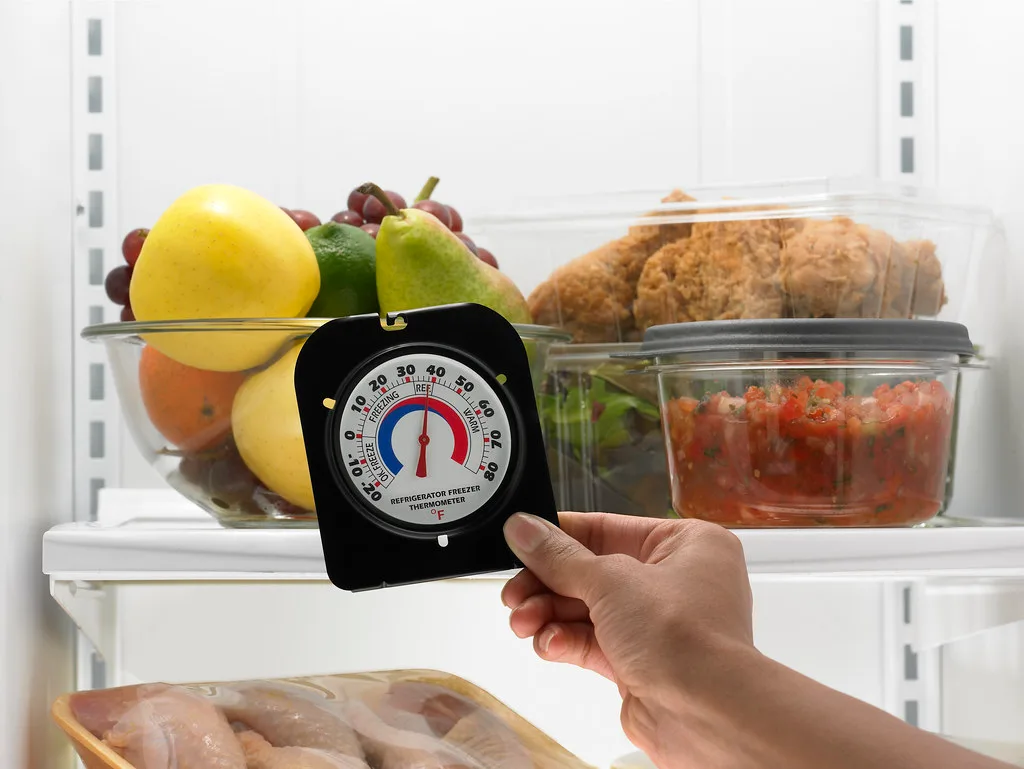
Image source: Openverse / USDAgov (PDM 1.0)
In a cool home, say under 70°F (21°C), the growth rate is slower, extending that safe window slightly. But as temperatures climb, especially into the higher 80s and 90s Fahrenheit (around 30°C+), bacteria multiply at an exponential rate. This means that a dish of wet food left out on a warm summer afternoon could become unsafe for consumption in less than an hour, even if it doesn’t smell or look overtly spoiled.
The invisible growth of harmful pathogens is the real concern. Keeping food below 40°F or above 140°F is the standard for preventing this rapid spoilage.
How Long Is Too Long for Wet Dog Food?
So, when does wet dog food officially cross the line from "pretty safe" to "definitely toss it"? Industry standards and veterinary recommendations generally align on specific time limits based on temperature. As mentioned, the universal safe bet is that anything perishable left out for over two hours at room temperature should be discarded.
This timeframe is a widely accepted food safety benchmark, designed to minimize the risk of bacterial proliferation to levels that could cause illness.
But remember that crucial detail: if the ambient temperature is over 90°F (32°C), that safe window slams shut to just one hour. This accelerated spoilage is due to the significantly faster metabolic rate of bacteria at higher temperatures. Think of it like this: imagine leaving milk out on a hot day versus a cool one; the milk spoils much quicker on the hot day.
The same principle applies to your dog's wet food. After these time limits expire, even if the food looks and smells fine, harmful bacteria could already be present in significant numbers, posing a risk you can't see or smell. As of 2026, these guidelines remain the most reliable for pet food safety.
Signs Your Dog Might Be Sick From Spoiled Food
If your dog happens to eat wet food that's been left out too long, it's not always a guaranteed trip to the vet, but it's a risk you definitely don't want to take. The primary concern is foodborne illness, caused by the ingestion of harmful bacteria that have multiplied to high levels. Symptoms can range from mild discomfort to severe, life-threatening conditions, depending on the type of bacteria and your dog's overall health and immune system.
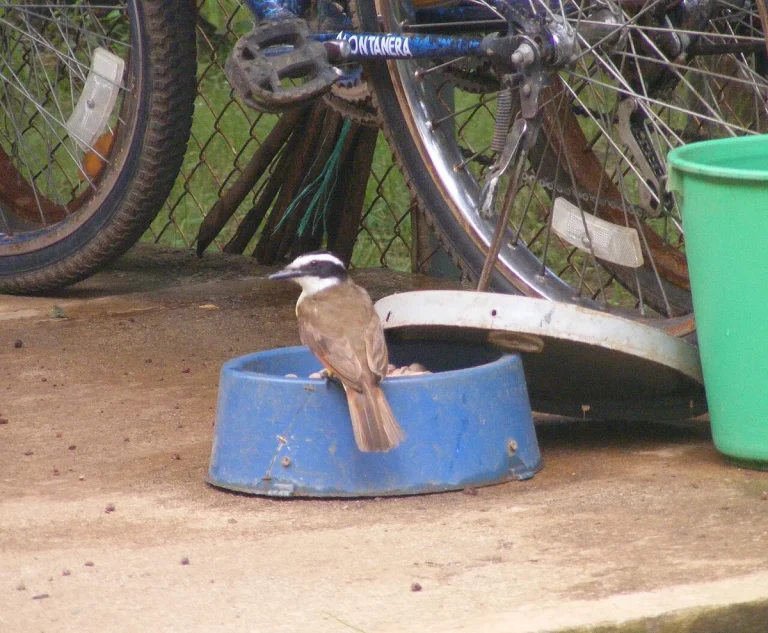
Image source: Openverse / Openverse contributor
Common signs that your dog might have eaten something that disagreed with them include:
- Vomiting: This is often one of the first and most obvious signs. Your dog may vomit once or several times.
- Diarrhea: This can appear as loose stools or watery bowel movements.
- Lethargy: Your dog might seem unusually tired, sluggish, or uninterested in activities they normally enjoy.
- Loss of Appetite: They might refuse food or be very picky about what they will eat.
- Abdominal Pain: You might notice your dog acting restless, hunching their back, or seeming uncomfortable when you touch their belly.
- Dehydration: Signs include dry gums, sunken-looking eyes, and loss of skin elasticity. This is a more serious symptom.
If you see any of these, especially after suspecting they ate food that was left out, it's always best to call your veterinarian. They can provide specific advice tailored to your dog's symptoms and health history. Early intervention can make a big difference.
How to Safely Store Opened Wet Dog Food
So, we know leaving it out is a no-go, but what's the right way to handle that opened can of wet dog food? The key is prompt refrigeration and proper storage to maintain freshness and prevent bacterial contamination, much like how we store leftovers for ourselves. The goal is to get the food into a cool environment (below 40°F or 4°C) as quickly as possible after your dog has finished (or not finished) their meal, and to protect it from air and other contaminants.
Airtight Containers Are Your Best Friend
Once you've served your dog what they'll eat for that meal, any remaining wet food should be immediately transferred from the serving bowl (which may have had bacteria from your dog's mouth) into a clean, airtight container. Plastic or glass containers with well-fitting lids work perfectly. This prevents the food from absorbing odors from the refrigerator and, more importantly, stops it from being exposed to airborne contaminants.
Some reusable silicone lids designed specifically for dog food cans can also work, but a sealed container is generally preferred to prevent drying out and contamination.
Refrigeration is Non-Negotiable
As soon as the food is in its airtight container, get it into the refrigerator. The refrigerator’s temperature should be set to 40°F (4°C) or below. This cool environment significantly slows down the growth of bacteria that were already present or could have been introduced during feeding.
Storing the food properly in the fridge helps to preserve its nutritional integrity and, most importantly, its safety for your pet. Many manufacturers, like Purina or Hill's Pet Nutrition, recommend refrigerating any unused portion for up to three days, though it's always best to check the specific recommendations on the product packaging.
Serving Amounts and Frequency
The best way to avoid the question of whether to leave wet dog food out is to serve only what your dog will eat in one sitting. This seems simple, but it requires a bit of planning. For example, if you know your dog typically finishes a half-can of food in a meal, only open and serve half a can.
This strategy directly reduces the amount of leftover food that could potentially spoil. For dogs with specific dietary needs, like those requiring specialized food for conditions like anemia or hyperthyroidism, precise portion control is even more critical, and saving food might be necessary.
If you're feeding a puppy, their portion sizes are smaller and they often eat more frequently. For a 6-month-old kitten, accurate feeding is key to their development; the same principle applies to puppies. It's better to open a fresh portion when needed than to risk a large amount of food sitting out.
This practice also ensures the food is as fresh as possible at each feeding time, which can be more appealing to picky eaters.
Refrigerating Leftovers: Doing It Right
Once you've put away the uneaten portion of wet dog food, proper refrigeration is crucial. Scrape any food remaining in the bowl into a clean, airtight container. Remember, the bowl might contain bacteria from your dog's mouth, so transferring the food prevents cross-contamination.
Seal the container tightly to keep air out and moisture in, preventing the food from drying out and absorbing odors from other items in the fridge.
Most manufacturers, such as Purina or Hill's Pet Nutrition, suggest that opened wet food can be refrigerated for up to three days. However, always check the specific product packaging, as some formulas might have slightly different recommendations. Beyond three days, the risk of bacterial growth, even in refrigeration, increases significantly, making it unsafe.
When in doubt, it's always better to discard it.
What to Do With Unfinished Wet Dog Food
If your dog has left food in their bowl, the immediate action should be to remove the bowl from their access. Do not let it just sit there. Once you've scraped the uneaten food into a proper airtight container, that container then goes into the refrigerator.
This entire process should ideally happen within the two-hour window we discussed, or even sooner if your home is particularly warm.
If you consistently find yourself with uneaten food, consider whether you might be overfeeding your dog or if their eating habits have changed. Perhaps serving smaller, more frequent meals throughout the day would be a better approach. Some dogs may also prefer their food slightly warmed, which can entice them to finish their meal.
Gently warming the refrigerated food for a few minutes can bring out its aroma and make it more palatable, reducing waste.
Warming Refrigerated Dog Food
Dogs often find room-temperature food more appealing than cold food straight from the fridge. This is because warming food releases its natural aromas, making it more enticing. To warm refrigerated wet dog food, you can try a few simple methods.
One is to add a small amount of warm (not hot) water to the food in the container before transferring it to the serving bowl; stir it in to distribute the warmth evenly.
Another method is to place the sealed container of food in a bowl of warm water for a few minutes. Never microwave your dog's food. Microwaving can create hot spots that can burn your dog's mouth and tongue, and it can also alter the food's nutritional composition.
The goal is a gentle warming, bringing the food to a temperature that enhances its appeal without compromising safety or quality. This process also helps if you have a dog with no teeth; slightly warmed food can be softer and easier to manage.
When to Toss Wet Dog Food (No Second Chances)
There are clear indicators that wet dog food has gone bad and should be discarded immediately, no questions asked. The most obvious sign is an off odor. If the food smells sour, rancid, or unusually pungent, it's a strong signal that bacteria have proliferated.
Another visual cue is a change in texture or appearance; if the food looks slimy, has mold growth, or seems discolored, it's time to throw it out.
Beyond what you can see and smell, trust your instincts. If you're unsure about the freshness or safety of the food, err on the side of caution and discard it. This applies to food that has been left out past the recommended time limits, as well as refrigerated food that you suspect might have spoiled.
Remember, your dog's health is paramount, and a few dollars for a new can of food is a small price to pay to avoid potentially serious illness. For instance, if you're feeding a specialized diet, like for cats with hyperthyroidism, ensuring the diet is safe and correctly stored is critical for managing their health condition.