Guide to Can You Cook Raw Dog Food 2026
You're probably wondering if you can cook raw dog food. It's a common question for pet parents looking for the healthiest options for their furry companions, and the short answer is: it significantly changes the nature of the diet. While technically possible, cooking food intended as "raw" introduces a new set of considerations and potential risks.
If you're thinking about making this dietary shift, it’s crucial to understand that cooking raw ingredients means you're no longer following a traditional raw food protocol. Standard preparation guidelines, like those for ensuring food safety according to FDA recommendations, become paramount, and the nutritional balance needs careful recalculation.
The Quick Answer: It Changes Everything
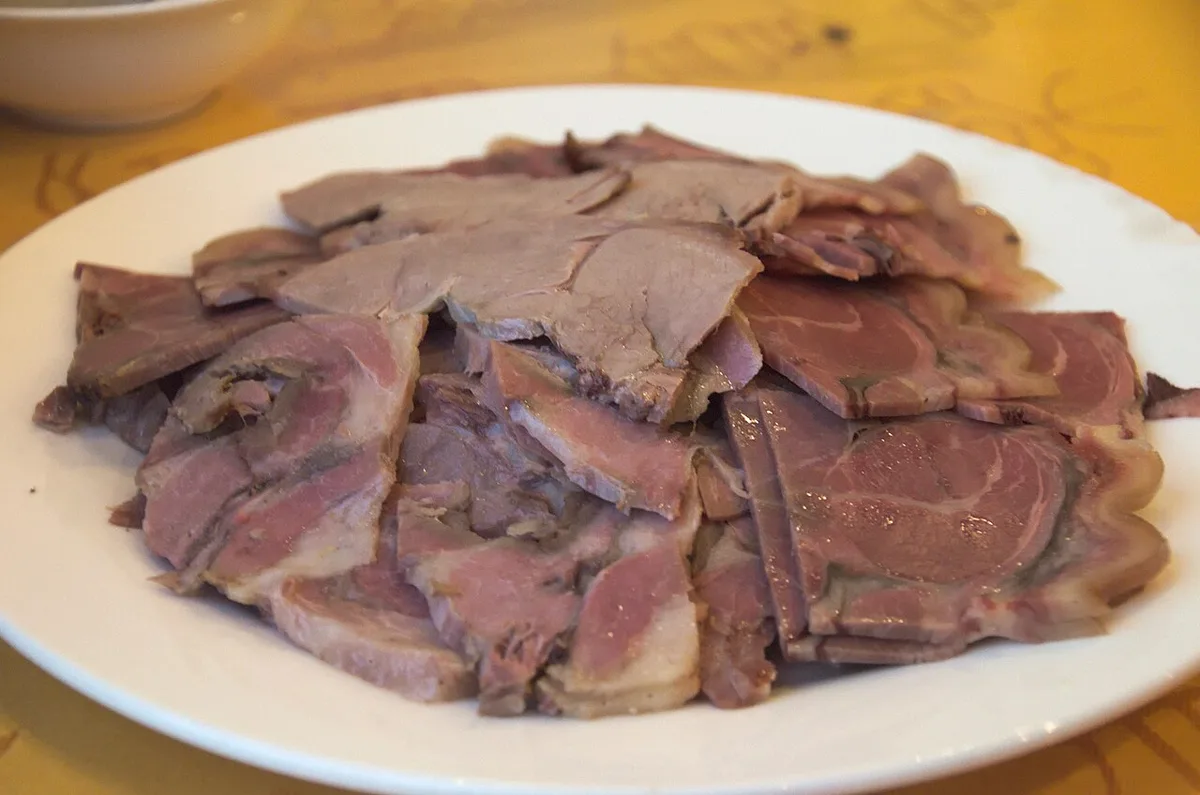
Yes, you can cook ingredients typically used in raw dog food. However, doing so transforms the diet from a raw food plan to a home-cooked meal plan. This distinction is critical because cooking alters nutrient profiles and introduces different safety concerns than those associated with raw feeding.
Why Cooking Raw Food for Your Dog Isn't a "Raw" Diet Anymore
The core appeal of a raw dog diet lies in its uncooked state, which proponents believe offers benefits closer to a dog's ancestral diet. When you cook these ingredients, you fundamentally change their composition. This shift means you are no longer adhering to the principles of a raw food diet.
Instead, you are preparing a home-cooked meal, which requires its own distinct set of nutritional knowledge and safety protocols.
Understanding the Risks of Raw Ingredients
Feeding dogs raw meat and bones comes with inherent risks that are well-documented. Even if your ultimate goal is to cook these items, understanding the starting point of raw ingredients is essential for appreciating the implications of the cooking process.
Bacterial Contamination and Your Dog's Health
Raw animal products can harbor dangerous bacteria like Salmonella, E. coli, Listeria, and Campylobacter. These pathogens pose a significant risk not only to dogs but also to humans in the household through cross-contamination. While dogs' digestive systems are more robust than humans', they are not immune to intestinal distress, vomiting, or diarrhea caused by these bacteria.
The U.S. Food and Drug Administration (FDA) has issued warnings regarding the risks associated with feeding raw diets due to potential bacterial contamination. For instance, studies have detected pathogens in a significant percentage of commercially available raw dog food products.
Parasites and What They Mean for Your Pet
Beyond bacteria, raw meats can also contain parasites, such as tapeworms or roundworms. These microscopic organisms can infect your dog, leading to a range of health issues from malnutrition and weight loss to more severe organ damage. While cooking to the appropriate internal temperature kills most parasites, feeding raw ingredients without proper handling or cooking poses a direct threat.
The Danger of Cooked Bones
If your idea of cooking raw dog food involves including bones, this is a major concern. While raw, edible bones can sometimes be part of a raw diet (under strict supervision and with appropriate bone types), cooking bones changes their structure entirely.
Cooked bones become brittle and prone to splintering. These sharp fragments can cause choking, severe internal lacerations in the throat, stomach, or intestines, or even lead to dangerous blockages requiring emergency surgery. This risk is why veterinary professionals universally advise against feeding cooked bones to dogs.
The Nutritional Shift: What Cooking Does to Food
When you cook food, you're not just making it safer from certain pathogens; you're also altering its nutritional makeup. Understanding these changes is key to creating a balanced meal at home.
Nutrient Loss and Availability
The high heat used in cooking can degrade certain heat-sensitive vitamins, such as some B vitamins and vitamin C. While dogs can synthesize some vitamin C, relying solely on cooked foods without proper supplementation can lead to deficiencies. Furthermore, cooking can affect the bioavailability of other nutrients, meaning how easily your dog's body can absorb and utilize them.
Some nutrients become more accessible with cooking, while others become less so.
Digestibility Factors
Cooking can sometimes improve the digestibility of certain ingredients, breaking down complex carbohydrates and proteins into simpler forms that a dog's system can process more efficiently. This is why many commercial dog foods are cooked. However, the specific impact on digestibility depends heavily on the ingredients and the cooking methods used.
Overcooking, for example, can also destroy beneficial enzymes that might be present in raw ingredients.
When to Absolutely Talk to Your Vet or a Nutritionist
Venturing into home-prepared diets for your dog, whether raw or cooked, is a significant undertaking that requires professional guidance. Making dietary decisions without expert input can have serious health consequences for your pet.
Identifying Your Dog's Specific Needs
Dogs have unique nutritional requirements based on their age, breed, activity level, and any underlying health conditions. For instance, puppies have different dietary needs than senior dogs, and very active breeds may require more calories and protein. Just as understanding the dietary needs of kittens is crucial, as discussed in articles on best cat food for 6 month old kitten, knowing your dog's specific requirements is foundational.
Your veterinarian is the best resource for determining these individual needs.
Professional Guidance for Homemade Diets
Experts in veterinary nutrition can formulate balanced recipes tailored to your dog's specific requirements. They take into account essential macro and micronutrients, ensuring no critical vitamins or minerals are missing and that the proportions are correct. Feeding an unbalanced homemade diet, even if cooked, can lead to serious health problems over time, such as orthopedic issues or metabolic disorders.
This is why consulting with a professional before beginning any homemade diet, including one derived from raw ingredients, is essential. Resources for pets with specific health issues, like guidance on best food for cats with hyperthyroidism, highlight the importance of specialized dietary plans managed by professionals.
It's also worth noting that even commercial raw diets are subject to scrutiny, and their safety and nutritional completeness can vary. For example, while best wet cat food for outdoor cats focuses on a different species, the principle of ensuring nutritional adequacy applies across all pet diets. This underscores why professional consultation is a non-negotiable step for any owner considering a significant diet change.
Common Mistakes Pet Parents Make When Cooking for Dogs
Even with the best intentions, several common errors can derail a home-cooked dog diet, turning a healthy effort into something harmful. These mistakes often stem from overlooking crucial nutritional and safety aspects. Avoiding them is paramount for your dog's well-being.
Guessing Portion Sizes
Many owners underestimate how much food their dog actually needs or, conversely, overestimate how much treats contribute to daily intake. Incorrect portioning can lead to obesity or malnutrition. For instance, an active Labrador weighing 70 pounds has vastly different caloric needs than a sedentary 10-pound Shih Tzu.
Forgetting Key Nutrients
It's easy to focus on proteins and fats and neglect essential vitamins and minerals. A balanced diet requires careful attention to calcium, phosphorus, vitamins A, D, E, and the full spectrum of B vitamins, among others. Forgetting critical elements like taurine, especially for certain breeds, can lead to severe heart conditions.
Resources detailing pet nutritional requirements often highlight common deficiencies found in unbalanced homemade diets.
Overlooking Bone Safety
As previously mentioned, cooked bones are a significant hazard. However, even with raw bones, improper selection or presentation can cause issues. Some owners might offer bones that are too hard for their dog's jaw or too large to pass safely.
Always ensure bones are appropriate for your dog's size and chewing style, and ideally, seek veterinary guidance on safe practices.
The Safe Path Forward: Consulting the Experts
Given the complexity and potential risks, the safest route for any owner considering homemade dog food, especially from raw ingredients, is professional consultation. This isn't just about following a recipe; it's about understanding canine physiology and nutritional science.
Identifying Your Dog's Specific Needs
Your veterinarian or a board-certified veterinary nutritionist can conduct a thorough assessment of your dog. This includes evaluating their breed predispositions, activity levels, and any existing health concerns like allergies or digestive sensitivities. Understanding these specific factors ensures that any homemade diet plan is precisely tailored.
For context, even when managing feline health, specialized diets are crucial, as seen with best cat food for anemic cats.
Professional Guidance for Homemade Diets
A veterinary nutritionist can create customized meal plans that meet all AAFCO (Association of American Feed Control Officials) nutritional standards for your dog's life stage. These plans consider ingredient sourcing, preparation methods, and necessary supplementation to ensure a complete and balanced diet. Without this expert input, the risk of nutritional deficiencies or excesses is exceedingly high, as aggregate user reviews of unbalanced homemade diets often report health declines.
When to Absolutely Talk to Your Vet or a Nutritionist
Venturing into home-prepared diets for your dog, whether raw or cooked, is a significant undertaking that requires professional guidance. Making dietary decisions without expert input can have serious health consequences for your pet.
Identifying Your Dog's Specific Needs
Your veterinarian or a board-certified veterinary nutritionist can conduct a thorough assessment of your dog. This includes evaluating their breed predispositions, activity levels, and any existing health concerns like allergies or digestive sensitivities. Understanding these specific factors ensures that any homemade diet plan is precisely tailored.
For context, even when managing feline health, specialized diets are crucial, as seen with best cat food for anemic cats.
Professional Guidance for Homemade Diets
A veterinary nutritionist can create customized meal plans that meet all AAFCO (Association of American Feed Control Officials) nutritional standards for your dog's life stage. These plans consider ingredient sourcing, preparation methods, and necessary supplementation to ensure a complete and balanced diet. Without this expert input, the risk of nutritional deficiencies or excesses is exceedingly high, as aggregate user reviews of unbalanced homemade diets often report health declines.
Common Mistakes Pet Parents Make When Cooking for Dogs
Even with the best intentions, several common errors can derail a home-cooked dog diet, turning a healthy effort into something harmful. These mistakes often stem from overlooking crucial nutritional and safety aspects. Avoiding them is paramount for your dog's well-being.
Guessing Portion Sizes
Many owners underestimate how much food their dog actually needs or, conversely, overestimate how much treats contribute to daily intake. Incorrect portioning can lead to obesity or malnutrition. For instance, an active Labrador weighing 70 pounds has vastly different caloric needs than a sedentary 10-pound Shih Tzu.
Forgetting Key Nutrients
It's easy to focus on proteins and fats and neglect essential vitamins and minerals. A balanced diet requires careful attention to calcium, phosphorus, vitamins A, D, E, and the full spectrum of B vitamins, among others. Forgetting critical elements like taurine, especially for certain breeds, can lead to severe heart conditions.
Resources detailing pet nutritional requirements often highlight common deficiencies found in unbalanced homemade diets.
Overlooking Bone Safety
As previously mentioned, cooked bones are a significant hazard. However, even with raw bones, improper selection or presentation can cause issues. Some owners might offer bones that are too hard for their dog's jaw or too large to pass safely.
Always ensure bones are appropriate for your dog's size and chewing style, and ideally, seek veterinary guidance on safe practices.
The Safe Path Forward: Consulting the Experts
Venturing into home-prepared diets for your dog, whether raw or cooked, is a significant undertaking that requires professional guidance. Making dietary decisions without expert input can have serious health consequences for your pet.
Identifying Your Dog's Specific Needs
Your veterinarian or a board-certified veterinary nutritionist can conduct a thorough assessment of your dog. This includes evaluating their breed predispositions, activity levels, and any existing health concerns like allergies or digestive sensitivities. Understanding these specific factors ensures that any homemade diet plan is precisely tailored.
For context, even when managing feline health, specialized diets are crucial, as seen with best cat food for anemic cats.
Professional Guidance for Homemade Diets
A veterinary nutritionist can create customized meal plans that meet all AAFCO (Association of American Feed Control Officials) nutritional standards for your dog's life stage. These plans consider ingredient sourcing, preparation methods, and necessary supplementation to ensure a complete and balanced diet. Without this expert input, the risk of nutritional deficiencies or excesses is exceedingly high, as aggregate user reviews of unbalanced homemade diets often report health declines.