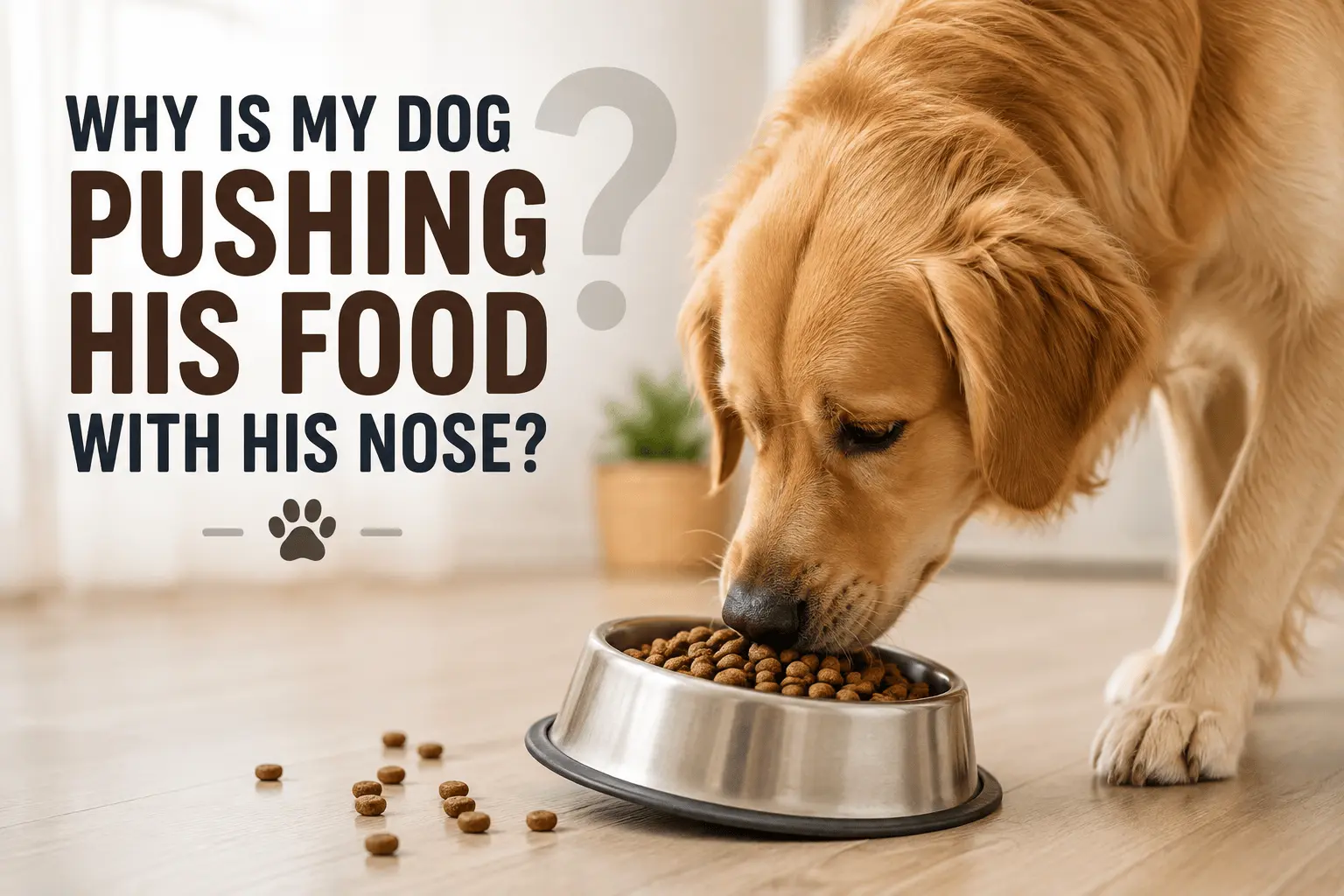
Why Is My Dog Pushing His Food With His Nose 2026
Ever watch your dog nose his food bowl around before eating and wonder what’s up? That behavior, often dismissed as a quirky habit, can actually be your dog’s subtle way of communicating something about his mealtime, his environment, or even his health. It’s a common point of curiosity for many dog owners.
As of 2026, research into canine behavior continues to highlight how nuanced our pets’ actions can be. When your dog pushes his food with his nose, it’s not always a sign of rejection; it’s often an instinctual or environmental response. Understanding these signals can help you address potential issues and make mealtime more comfortable for your furry friend.
Quick Answer
Your dog pushes his food with his nose due to instinctual burying behaviors, picky eating habits, or environmental factors like the bowl itself. He might not be hungry, or he could be seeking attention. Occasionally, it signals underlying oral discomfort.
Is Your Dog Just Being Picky?
Sometimes, your dog’s nose-nudging is simply a sign that he’s not entirely thrilled with the situation. This pickiness can manifest in a few ways, often related to his immediate hunger levels or his personal preferences for how his food is presented. It’s his way of saying, “Hold on a second.”
- He’s Not Hungry Right Now: Dogs, like people, have varying appetites. If he’s just had a high-value treat, exercised intensely, or if his digestion is a bit slow, he might not be ready to eat immediately. Pushing the bowl away or around can be a signal that he wants to defer his meal. He’s not rejecting the food itself, just its timing.
- He Prefers a Certain Arrangement: Some dogs are surprisingly meticulous eaters. They might nudge pieces of kibble around to achieve a specific layout in the bowl, perhaps to better access their favorite bits or to feel more in control. This is akin to how we might arrange food on our plates.
- The Bowl Isn’t Quite Right: The most basic tools can sometimes cause issues. A bowl that’s too deep might make it hard for him to reach the food without his whiskers brushing uncomfortably against the sides. Similarly, a bowl that slides around on the floor can be irritating. He might push it to find a more stable surface or to reposition it where he feels more comfortable eating.
Understanding Instinct: Why Dogs “Bury” Their Food
That instinct to push food around can be deeply rooted in your dog’s ancestry. Long before kibble appeared in convenient bags, wild canids had to secure their food for the future. This primal drive can still surface in our domestic pets, even when food is readily available and safe.
This behavior often stems from an instinct to “cache” or hide food. In the wild, this prevented other scavengers from finding their stash and ensured they had provisions for leaner times. Your dog might be performing a similar, albeit less effective, version of this by nudging his bowl or scattering kibble.
He’s instinctively trying to find a “better” place to store his meal, even if that place is just a different spot on your kitchen floor.
This can be more pronounced if the feeding environment feels less secure than usual for him or if he senses competition, even if it’s only perceived. For owners interested in understanding deeper canine behaviors, resources on wild canid foraging strategies can offer fascinating context.
Is the Bowl the Problem? How Bowl Choice Affects Eating
The dog bowl isn’t just a container; it’s a crucial part of your dog’s dining experience. What might seem like a minor detail to us can significantly impact how your dog feels about his food. Research from veterinary behaviorists indicates that bowl material, shape, and even noise can influence a dog’s comfort and willingness to eat.
Here’s a look at how different bowl attributes can make a difference:
-
Material Matters:
- Stainless Steel: Durable, non-porous, and easy to clean. However, some dogs dislike the noise it makes when their tags hit the bowl.
- Ceramic: Heavier, less prone to sliding. Needs to be checked for chips, which can harbor bacteria.
- Plastic: Lightweight and affordable, but can scratch easily and harbor bacteria, potentially causing “plastic slobber” or allergies in some dogs. Also, cheaper plastics can have a strong odor.
- Metal (Non-Stainless): Can sometimes be noisy and may react with certain foods, leading to discoloration.
-
Shape and Depth:
- Wide and Shallow: Often preferred by dogs, especially those with sensitive whiskers, as it allows for easier access to food without whisker interference.
- Deep and Narrow: Can be frustrating for some dogs, causing their whiskers to bend and brush against the sides, which can be uncomfortable.
As of 2026, manufacturer specifications for dog bowls commonly highlight non-porous materials like stainless steel and ceramic for their hygiene benefits, as they are less likely to absorb odors or harbor bacteria compared to scratched plastic bowls.
Is He Bored, or Is He Trying to Tell You Something?
Beyond instinct and preference, nudging the food bowl can sometimes be a sign of a dog seeking engagement or expressing a specific need. If your dog’s environment lacks sufficient mental stimulation, he might find creative ways to interact with his surroundings, and his food bowl is an ever-present object to manipulate.
- Attention Seeking: If nudging the bowl earns him a reaction, whether it’s you coming over, talking to him, or even gently correcting him, he learns that this behavior gets him attention. For dogs craving interaction, this can be a powerful incentive. He might shove the bowl, making a bit of noise, just to see if you’ll notice and provide some interaction.
- Boredom and Lack of Stimulation: A dog that isn’t getting enough exercise, playtime, or mental challenges can develop behavioral issues, including finding ways to entertain himself with his food. This is why ensuring he has puzzle toys, training sessions, or opportunities to explore is vital for his overall well-being. These activities help channel his energy appropriately.
This type of behavior often occurs when a dog feels under-stimulated. Owners who provide a rich environment with variety in toys and activities are less likely to see these attention-seeking or boredom-driven food bowl games.
How to Figure Out the “Why”: A Step-by-Step Guide
When your dog starts pushing his food with his nose, it’s natural to want to get to the bottom of it. Instead of guessing, you can try a systematic approach to narrow down the potential causes. Think of it like being a detective for your dog’s well-being.
Step 1: Observe Your Dog’s Behavior
Carefully watch your dog during meal times. What exactly is he doing? Is he nudging the bowl forward, sideways, or trying to flip it?
Does he push the food out of the bowl? Does he eat some food, then nudge, then eat more? Pay attention to his body language, too.
Is he relaxed, anxious, or playful? How long has this been happening? Documenting these observations can provide crucial clues for identifying the root cause down the line.
Step 2: Check for Oral Discomfort or Injury
This is a critical step, especially if the nose-pushing behavior is new. Oral pain or discomfort can make a dog hesitant to eat normally or cause him to try and manipulate food to avoid pain. Gently open your dog’s mouth and look for any signs of:
- Redness or swelling in the gums.
- Broken or loose teeth.
- Foreign objects lodged in his mouth or between his teeth.
- Sores or lesions on the tongue or roof of his mouth.
- Any unusual smells.
If you notice anything concerning, or if your dog shows signs of pain when you examine his mouth, it’s time to consult your veterinarian. They can perform a thorough dental exam and identify any underlying medical issues.
Step 3: Experiment with Different Food Bowls
If oral issues are ruled out, the bowl itself might be the culprit. Try swapping out your current food bowl for a different type.
- Material: If you use a metal bowl, try a ceramic or heavy-duty plastic one. If it’s plastic, ensure it’s good quality and doesn’t have deep scratches.
- Shape: Experiment with a wider, shallower bowl. Some dogs find these much more comfortable, especially if they have sensitive whiskers. A bowl that’s too deep can make access difficult.
- Stability: Ensure the bowl doesn’t slide around on the floor. A wobbly bowl can be annoying and unsettling for a dog. You might try a bowl with a rubber base or placing a non-slip mat underneath.
Observe if your dog’s behavior changes with a new bowl. If the nudging stops with a different bowl, you’ve likely found your answer.
Step 4: Adjust Feeding Times and Treats
Consider your dog’s overall diet and schedule.
- Hunger Levels: Are you feeding him at consistent times? Has he been getting a lot of extra treats or table scraps throughout the day? If he’s not genuinely hungry, he’s less likely to dive into his bowl enthusiastically. Try slightly adjusting his feeding schedule or reducing treats to ensure he’s ready for his main meals.
- Portion Size: Double-check the recommended portion size for his food based on his weight, age, and activity level. Too much food can sometimes lead to a decreased appetite at meal times.
Step 5: Add More Mental Stimulation
If you’ve ruled out physical discomfort and bowl issues, boredom or a need for attention might be playing a role. Dogs need mental challenges just as much as physical exercise.
- Puzzle Feeders: Instead of a regular bowl, try feeding his meals in a puzzle feeder or a slow feeder. These toys require him to work to get his food out, turning mealtime into an engaging activity. This can satisfy his need for interaction and problem-solving.
- Training Sessions: Incorporate short, positive reinforcement training sessions daily. This not only tires him out mentally but also strengthens your bond.
- Enrichment Activities: Introduce new toys, scent games, or varied walking routes to keep his world interesting.
If you have a cat that also needs consistent feeding, you might find our guide on the best wet cat food for outdoor cats helpful in understanding dietary needs. Likewise, managing kitten nutrition is crucial, as covered in the best cat food for 6 month old kitten.
When to Call the Vet: Red Flags to Watch For
If your dog’s food-pushing behavior is accompanied by other signs of distress or illness, it’s essential to seek professional veterinary advice. While minor nudges are usually harmless, a sudden change or a combination of symptoms could indicate a more serious issue requiring prompt attention. Don’t hesitate to book an appointment if you observe any of the following.
- Sudden Onset of Food Pushing: If this behavior appears without any prior indication and your dog was previously a straightforward eater, it warrants investigation. This sudden change can signal an underlying problem that needs addressing.
- Loss of Appetite or Refusal to Eat: If he’s pushing his food and then not eating it, or eating significantly less, this is a major concern. This could point towards dental pain, gastrointestinal upset, or other health issues impacting his desire to eat.
- Vomiting or Diarrhea: Any digestive disturbances alongside food-pushing behavior should be reported to your vet. These symptoms together could indicate a serious illness or dietary intolerance.
- Lethargy or Changes in Activity Level: If your dog seems unusually tired, withdrawn, or less playful than normal, it’s a sign something isn’t right. Health problems can manifest as a general lack of energy, making them less interested in mealtime and other activities.
- Visible Oral Pain or Injury: As mentioned before, any obvious signs of discomfort in the mouth, such as bleeding gums, excessive drooling, or a visible wound, require immediate veterinary attention.
A veterinarian can perform a physical examination, including a thorough oral check, and may recommend diagnostic tests like blood work or x-rays to determine the cause of the behavior. If it’s related to dietary needs, they can guide you toward appropriate options such as those for cats with hyperthyroidism or other specific health concerns.
Things to Avoid When Your Dog Pushes His Food
When you’re trying to correct your dog’s food-pushing behavior, it’s easy to fall into common traps that can actually make the problem worse or cause new ones. Understanding what not to do is just as important as knowing what to try. Avoid these common missteps to ensure you’re helping your dog effectively.
- Punishing or Scolding: Never punish your dog for pushing his food. He’s likely acting on instinct or because of an unmet need. Punishment can create fear and anxiety around meal times, potentially leading to more severe behavioral issues or food aggression. He won’t understand why he’s being punished, leading to confusion and mistrust.
- Ignoring Serious Signs: Don’t dismiss the behavior if it’s new, persistent, or accompanied by worrying symptoms like lethargy or vomiting. While some nudging is normal, ignoring potential health concerns can lead to delayed diagnosis and treatment. This is especially true if your dog has dental issues, like needing dry cat food for cats with no teeth, which requires specific dietary management.
- Forcing Him to Eat: Never try to force your dog to eat if he’s showing reluctance or distress. This can create a negative association with food and feeding. If he’s not eating, assess the situation calmly and consult a vet if concerns persist.
- Constantly Changing Foods: While it’s good to experiment with bowls, avoid frequently changing his food without a clear dietary reason. Food sensitivities or digestive upset caused by rapid changes can add another layer of complexity to his eating habits and are not recommended without veterinary guidance.
Focusing on positive reinforcement and understanding the root cause will yield much better results than any form of punishment.
Is He Bored, or Is He Seeking Attention?
Beyond instinct and preference, nudging the food bowl can sometimes be a sign of a dog seeking engagement or expressing a specific need. If your dog’s environment lacks sufficient mental stimulation, he might find creative ways to interact with his surroundings, and his food bowl is an ever-present object to manipulate. This often falls into one of two categories: either he’s trying to get you to interact, or he’s genuinely bored.
-
Attention Seeking: If nudging the bowl earns him a reaction, whether it’s you coming over, talking to him, or even gently correcting him, he learns that this behavior gets him attention. For dogs craving interaction, this can be a powerful incentive. He might shove the bowl, making a bit of noise, just to see if you’ll notice and provide some interaction. This is a common way for many pets to communicate their needs for engagement.
-
Boredom and Lack of Stimulation: A dog that isn’t getting enough exercise, playtime, or mental challenges can develop behavioral issues, including finding ways to entertain himself with his food. This is why ensuring he has puzzle toys, training sessions, or opportunities to explore is vital for his overall well-being. These activities help channel his energy appropriately.
This type of behavior often occurs when a dog feels under-stimulated. Owners who provide a rich environment with variety in toys and activities are less likely to see these attention-seeking or boredom-driven food bowl games. Addressing these underlying needs can significantly reduce or eliminate food-pushing behavior.
When to Call the Vet: Red Flags to Watch For
If your dog’s food-pushing behavior is accompanied by other signs of distress or illness, it’s essential to seek professional veterinary advice. While minor nudges are usually harmless, a sudden change or a combination of symptoms could indicate a more serious issue requiring prompt attention. Don’t hesitate to book an appointment if you observe any of the following.
- Sudden Onset of Food Pushing: If this behavior appears without any prior indication and your dog was previously a straightforward eater, it warrants investigation. This sudden change can signal an underlying problem that needs addressing.
- Loss of Appetite or Refusal to Eat: If he’s pushing his food and then not eating it, or eating significantly less, this is a major concern. This could point towards dental pain, gastrointestinal upset, or other health issues impacting his desire to eat.
- Vomiting or Diarrhea: Any digestive disturbances alongside food-pushing behavior should be reported to your vet. These symptoms together could indicate a serious illness or dietary intolerance.
- Lethargy or Changes in Activity Level: If your dog seems unusually tired, withdrawn, or less playful than normal, it’s a sign something isn’t right. Health problems can manifest as a general lack of energy, making them less interested in mealtime and other activities.
- Visible Oral Pain or Injury: As mentioned before, any obvious signs of discomfort in the mouth, such as bleeding gums, excessive drooling, or a visible wound, require immediate veterinary attention.
A veterinarian can perform a physical examination, including a thorough oral check, and may recommend diagnostic tests like blood work or x-rays to determine the cause of the behavior. If it’s related to dietary needs, they can guide you toward appropriate options.
Things to Avoid When Your Dog Pushes His Food
When you’re trying to correct your dog’s food-pushing behavior, it’s easy to fall into common traps that can actually make the problem worse or cause new ones. Understanding what not to do is just as important as knowing what to try. Avoid these common missteps to ensure you’re helping your dog effectively.
- Punishing or Scolding: Never punish your dog for pushing his food. He’s likely acting on instinct or because of an unmet need. Punishment can create fear and anxiety around meal times, potentially leading to more severe behavioral issues or food aggression. He won’t understand why he’s being punished, leading to confusion and mistrust.
- Ignoring Serious Signs: Don’t dismiss the behavior if it’s new, persistent, or accompanied by worrying symptoms like lethargy or vomiting. While some nudging is normal, ignoring potential health concerns can lead to delayed diagnosis and treatment.
- Forcing Him to Eat: Never try to force your dog to eat if he’s showing reluctance or distress. This can create a negative association with food and feeding. If he’s not eating, assess the situation calmly and consult a vet if concerns persist. He might have a condition that requires a specialized diet, like specific needs for (cats with hyperthyroidism).
- Constantly Changing Foods: While it’s good to experiment with bowls, avoid frequently changing his food without a clear dietary reason. Food sensitivities or digestive upset caused by rapid changes can add another layer of complexity to his eating habits and are not recommended without veterinary guidance.
Focusing on positive reinforcement and understanding the root cause will yield much better results than any form of punishment.