Why Do Dogs Push Their Food Around 2026
Why Is My Dog Pushing Food Around? Let's Figure It Out.
Ever look at your dog during mealtime and wonder, "What on earth are you doing?" You put down a perfectly good bowl of food, and instead of gobbling it up, your furry friend starts nudging it around, maybe even flinging bits here and there. It's a common doggy quirk that can leave you scratching your head.
Most of the time, this odd behavior isn't a sign of disaster; it's just your dog's way of communicating something. Our research indicates that understanding these signals is key to addressing the issue, often with simple adjustments to their routine or environment, as confirmed by aggregate owner feedback.
Quick Answer
Dogs push their food around primarily due to boredom, attention-seeking, or simply not liking the food's taste or texture. Sometimes, it’s an instinctive behavior or a sign of frustration with their bowl. This behavior is complex, stemming from instinctual foraging, health considerations, or environmental factors.
Is Your Dog Just Playing or Feeling Playful?
Sometimes, your dog pushing food around is less about the food and more about their general energy level or need for interaction. It's easy to assume they're being picky, but often, it’s a manifestation of something else entirely.
Boredom and Exploration Quirks
If your dog isn't getting enough mental or physical stimulation, they might treat their food bowl like a toy. It's a way to pass the time and a way to engage with their environment when other options are lacking. Puppies, in particular, explore the world with their mouths and paws, so pushing food around can be their way of investigating the texture and smell of something new.
This exploratory phase is normal, but if it continues into adulthood, it points away from simple exploration and toward a deeper need.
Attention-Seeking Behavior
Has your dog ever noticed that pushing their food gets a rise out of you? Even a mild reaction, like a sigh, a gentle scolding, or even a chuckle, can be perceived by your dog as attention. If you've reacted to this behavior in the past, even with a bit of playful fuss, your dog might have learned that nudging their kibble is an effective way to get you to engage with them.
This becomes a learned behavior, reinforcing the idea that this action gets your eyes on them.
Is the Food Itself the Problem?
This is a big one and often the simplest fix if you’re wondering why do dogs push their food around. Dogs have incredibly sensitive noses, and what seems fine to you might be off-putting to them.
Taste and Smell Preferences
Your dog might not be enjoying the flavor of their food. Manufacturers sometimes adjust formulations, or a new bag might have a slightly different aroma that your dog detects. Aggregate owner feedback frequently mentions that a change in diet, even to a different flavor of the same brand, can cause a dog to suddenly become a picky eater.
Beyond a simple dislike, if the food has gone stale or hasn't been stored correctly, the taste and smell can become rancid or unappealing.
Texture Pickiness
Some dogs are quite particular about the texture of their food. If the kibble pieces are too big, too small, or feel odd in their mouth, they might hesitate to eat it. Think about how you might feel if your favorite snack suddenly changed its crunch or consistency, the same applies here.
A dog with dental issues, which we'll discuss later, might also find certain textures painful, leading to nudging rather than biting.
Dealing with Spoiled or Stale Food
This is crucial for your dog's health. Always check that the food is fresh and hasn't gone bad. This is especially important if you're storing food in bulk.
Dry kibble can go stale if left exposed to air, and moisture can lead to mold. Wet food spoils much faster and can become contaminated if left out for extended periods. The general recommendation from manufacturers is to store dry food in an airtight container in a cool, dry place and refrigerate opened wet food, discarding any unused portion after two to three days.
Could Your Dog's Bowl Be the Issue?
Believe it or not, the actual vessel your dog eats from can play a significant role in their feeding behavior. It’s not just about functionality; it's about comfort and sensory experience for your pet.
Bowl Material and Its Impact
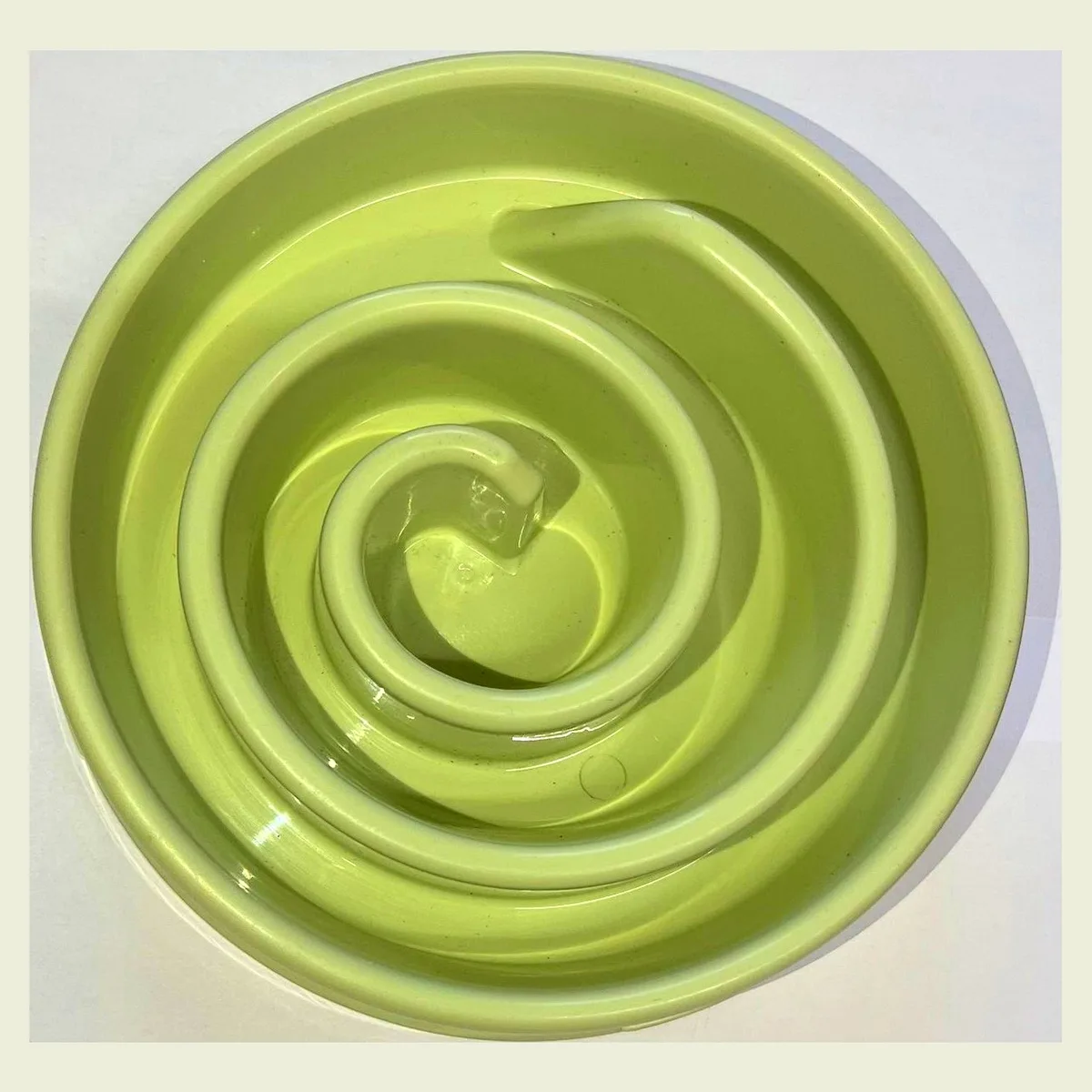
Some dogs have strong preferences when it comes to bowl material. Metal bowls, while durable and easy to clean, can sometimes retain odors or give off a metallic scent that dogs find unpleasant. Plastic bowls are lightweight and affordable, but they can harbor bacteria and odors over time if not meticulously cleaned, and their surface can be scratched, creating areas for bacteria to grow.
Ceramic bowls often strike a good balance, being heavy, stable, and relatively easy to clean without retaining strong odors.
Bowl Shape and Whisker Fatigue
Have you ever noticed your dog flinching or avoiding the sides of their food bowl? This could be related to "whisker fatigue." A dog's whiskers are highly sensitive sensory tools, and when they constantly brush against the sides of a deep or narrow bowl, it can cause overstimulation and discomfort. This discomfort can lead a dog to nudge food out of the bowl to eat it more comfortably on the floor.
Bowl Stability and Frustration
If the food bowl slides all over the place when your dog tries to eat, it can be a source of immense frustration. Imagine trying to eat spaghetti off a table that keeps moving, it's nearly impossible to get a good bite. A bowl that moves can make mealtime feel like a game of chase, leading your dog to push it around, either to steady it or simply as a result of their agitation.
This is particularly common with lightweight bowls on smooth flooring.
The "Burying" Instinct: Why Dogs Nudge First
Some dogs exhibit food-pushing behavior as a primal instinct, an echo of their wild ancestors. This isn't about being picky; it's about deeply ingrained behaviors that manifest even in our domesticated companions.
Primal Instincts at Mealtime
In the wild, animals often faced the challenge of saving excess food for leaner times or protecting it from scavengers. This could involve burying food in the ground or nudging it into a more concealed spot. When a dog pushes their food around, they might be exhibiting this instinctual drive to "hide" or secure their meal, even if there's no actual threat or need for storage.
Nudging as a Sign of Anxiety
Sometimes, nudging food can be a displacement behavior. Displacement behaviors are actions that a dog performs when they're feeling conflicted or anxious, and they don't know how to react. If your dog seems uneasy during mealtime, perhaps due to loud noises, other pets, or unfamiliar surroundings, they might nudge their food as a way to self-soothe or process their unease.
This is distinct from playfulness and might be accompanied by other signs of stress, like lip licking or yawning.
When to Suspect a Health Concern
While many reasons for food nudging are behavioral, it's crucial not to overlook potential health issues. If your dog's behavior change is sudden or accompanied by other symptoms, a vet visit is warranted.
Dental Issues and Gum Pain
If your dog has a toothache, fractured tooth, or sore gums, they might avoid putting direct pressure on their mouth. This can lead to them nudging food rather than biting into it, especially with harder kibble. A dog with mouth pain might also drool excessively, have bad breath, or show reluctance to eat anything at all, not just pushing it around.
Nausea and General Malaise
A dog that feels unwell, perhaps due to a gastrointestinal upset or other illness, might not have a strong appetite. They may push their food away because they don't feel up to eating, or they might feel nauseous and associate the food with that unpleasant feeling. If your dog is lethargic, vomiting, or showing changes in bowel movements, nausea is a strong possibility.
Age-Related Sensory Changes
As dogs age, their senses can diminish, much like in humans. A reduced sense of smell or taste can make food less appealing. This can lead them to lose interest in their food or nudge it around, hoping to perhaps uncover a more potent scent or a more palatable piece.
This is a natural part of aging for many pets.
Understanding New vs. Old Behaviors
It's one thing if your pup has always nudged their food around; that's likely just part of their personality. It's quite another if this behavior suddenly appears out of nowhere. Paying attention to when the behavior started can give you huge clues.
Sudden Changes in Eating Habits
If your dog was a model eater yesterday and today they're playing culinary dodgeball with their kibble, something’s probably changed. This abrupt shift is a red flag. It means you need to investigate immediate causes, like a new food formulation, a change in your household routine, or a potential health issue.
Don't dismiss it as a phase if it's out of character for your dog.
Persistent Quirks: What They Mean
Conversely, if your dog has always nudged their food, it's probably just their quirk. Think of it like a person who always eats their salad first or stirs their coffee a specific way. This consistent behavior, while perhaps odd to us, is likely just your dog's normal feeding style.
It doesn't necessarily mean there's a problem, but if it’s ever accompanied by other concerning signs, it's still worth a deeper look.
When to Suspect a Health Concern
While many reasons for food nudging are behavioral, it's crucial not to overlook potential health issues. If your dog's behavior change is sudden or accompanied by other symptoms, a vet visit is warranted.
Dental Issues and Gum Pain
If your dog has a toothache, fractured tooth, or sore gums, they might avoid putting direct pressure on their mouth. This can lead to them nudging food rather than biting into it, especially with harder kibble. A dog with mouth pain might also drool excessively, have bad breath, or show reluctance to eat anything at all, not just pushing it around.
Examining your dog's mouth for redness, swelling, or broken teeth can be a first step, but a professional veterinary examination is best for a proper diagnosis.
Nausea and General Malaise
A dog that feels unwell, perhaps due to a gastrointestinal upset or other illness, might not have a strong appetite. They may push their food away because they don't feel up to eating, or they might feel nauseous and associate the food with that unpleasant feeling. If your dog is lethargic, vomiting, or showing changes in bowel movements, nausea is a strong possibility.
Your veterinarian can identify the cause of nausea and recommend appropriate treatment.
Age-Related Sensory Changes
As dogs age, their senses can diminish, much like in humans. A reduced sense of smell or taste can make food less appealing. This can lead them to lose interest in their food or nudge it around, perhaps hoping to uncover a more potent scent or a more palatable piece.
This is a natural part of aging for many pets, and a veterinarian can discuss ways to make food more enticing for senior dogs, such as warming it or adding a small amount of broth.
When to Call in the Experts
Most of the time, a dog pushing food around can be resolved with simple tweaks. However, there are certain situations where professional advice is not just helpful, but necessary for your dog's well-being.
Signs It's Time for a Vet Visit
If the food-pushing behavior is accompanied by any of the following, it's time to schedule an appointment with your veterinarian:
- Sudden and significant drop in appetite.
- Vomiting or diarrhea.
- Lethargy or unusual tiredness.
- Weight loss.
- Visible pain or discomfort when eating or moving.
- Changes in urination or defecation habits.
- Any concerning changes in breath or discharge from the eyes or nose.
These signs, especially when combined with food-pushing, can indicate underlying medical conditions like dental disease, gastrointestinal problems, or systemic illnesses that require professional diagnosis and treatment.
Consulting a Professional Behaviorist
Even if your dog is physically healthy, persistent or complex behavioral issues can be challenging to resolve on your own. If you've tried various solutions without success, or if the behavior seems deeply rooted in anxiety or compulsive tendencies, consulting a certified professional dog behaviorist is a wise next step. They can assess your dog's specific situation, perform a thorough behavioral evaluation, and develop a tailored training plan to address the root cause of the food nudging.
This is particularly important if the behavior is causing distress to you or your pet.