What Foods Can Rabbits Eat 2026
Figuring out what foods can rabbits eat is more critical than just filling their bowls. A rabbit's digestive system is a finely tuned machine, and feeding them the wrong things can lead to a host of serious health problems, from painful bloat to dental disease. Getting their diet right is fundamental to their well-being and long-term health.
In our research, we've found that proper rabbit nutrition hinges on a few key components, with high-fiber foods forming the bulk of their intake. According to veterinary guidelines, as of 2026, a rabbit's diet should consist of approximately 80-90% hay. This forms the basis of keeping their complex digestive tract functioning smoothly and their teeth trimmed naturally.
Quick Answer
Rabbits can primarily eat hay, limited amounts of good quality pellets, and leafy green vegetables. Fresh, safe greens like romaine lettuce and parsley should be offered daily. Fruits and certain vegetables can be given as occasional treats in very small portions.
It's crucial to avoid toxic foods, sugary items, and sudden dietary changes to prevent digestive upset and health issues.
The Absolute Essentials: What Every Rabbit NEEDS Daily
Your rabbit's daily diet should revolve around providing the right foundational elements for their digestive health. Think of this as the daily non-negotiable checklist for a happy bunny. These are the foods that keep their gut moving, their teeth healthy, and their energy levels stable.
Hay: The Cornerstone of Their Diet
Hay is, without question, the most important part of a rabbit's diet. Our research and veterinary consensus confirm that it should make up the largest portion of what your rabbit eats daily, ideally 80-90%. It's not just filler; hay provides essential fiber that keeps their unique digestive system working correctly.
This fiber is crucial for preventing gastrointestinal stasis, a life-threatening condition where the gut slows down or stops moving.
Beyond digestion, hay plays a vital role in dental health. Rabbits' teeth grow continuously throughout their lives. Chewing on hay wears their teeth down naturally, preventing painful overgrowth that can lead to difficulty eating, abscesses, and other serious dental problems.
Always ensure your rabbit has constant access to fresh, good-quality hay. Timothy hay is generally recommended for adult rabbits due to its high fiber and moderate protein content. Alfalfa hay is richer and better suited for young, growing rabbits or nursing mothers, but can be too high in calcium and calories for healthy adults.
Pellets: The Nutritional Supplement
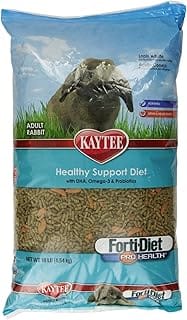
While hay is the star, good quality rabbit pellets serve as a crucial nutritional supplement. They aren't meant to be the main food source, and overfeeding them is a common mistake that can lead to obesity and other health issues. For adult rabbits, look for plain, high-fiber (at least 18%), timothy-based pellets.
Avoid mixes that contain seeds, nuts, dried fruit, or colorful bits, as these are essentially junk food for rabbits and offer little nutritional benefit while posing health risks.
The quantity of pellets depends on the rabbit’s size and age. For instance, adult rabbits weighing around 5-6 pounds typically need about 1/4 cup of pellets per day. Always follow guidelines from veterinary sources or reputable rabbit care organizations.
It's best to choose pellets made from timothy hay for adult rabbits to maintain a consistent fiber source and moderate calorie intake.
Fresh Greens and Veggies: Adding Variety Safely
Once the hay and pellet foundation is solid, introducing a variety of fresh greens and vegetables is the next step to a well-rounded rabbit diet. This is where you can really boost their nutrient intake and provide interesting flavors and textures. However, not all greens are created equal, and some can cause distress if given improperly.
Leafy Greens: The Best Choices
Leafy greens should form the bulk of a rabbit's fresh vegetable portion, offering vitamins, minerals, and important fiber. Introduce new greens one at a time, in small amounts, to monitor your rabbit for any signs of digestive upset like soft stools or gas before offering them more regularly. A good variety is key to ensuring they get a broad spectrum of nutrients.
Some excellent, safe leafy green options include:
- Romaine Lettuce: High in water, low in calories, and a good source of Vitamin A.
- Parsley: Rich in vitamins K and A, as well as calcium.
- Cilantro: Another vitamin-rich herb that most rabbits enjoy.
- Dandelion Greens: A nutritious weed that rabbits often love, providing calcium and vitamins. Ensure they are pesticide-free.
- Kale: A good source of vitamins A, C, and K, but should be offered in moderation due to its higher calcium and oxalic acid content.
- Spinach: Similar to kale, it's nutrient-dense but should be fed in moderation due to its high oxalic acid content, which can interfere with calcium absorption.
- Bok Choy: Offers vitamins A and C.
When offering greens, aim for about 1-2 packed cups per 6 pounds of body weight daily, split between morning and evening.
Other Safe Veggies: What Else to Offer
Beyond leafy greens, several other vegetables can be safely incorporated into your rabbit's diet. These often provide different nutrients and textures that can keep mealtime interesting. Like leafy greens, introduce them gradually and in moderation.
Some are higher in starch or sugars and should be treated more like occasional additions than daily staples.
Here are some more vegetables that are generally safe and beneficial:
- Bell Peppers (any color): A great source of Vitamin C. Remove seeds and stems.
- Celery: Offer the stalks, but be sure to chop them into small, manageable pieces to prevent choking hazards. It's mostly water.
- Cucumbers: Primarily water, so they're hydrating and safe.
- Broccoli and Cauliflower Florets: These can be given occasionally, but some rabbits experience gas from them. Offer small amounts first.
- Carrots: While a popular treat, carrots are high in sugar and should be given sparingly. Think of them as a sweet treat, not a daily vegetable.
- Zucchini: A mild, watery vegetable that most rabbits enjoy.
It's essential to wash all fresh produce thoroughly to remove any potential pesticides or contaminants. Never serve moldy or spoiled vegetables.
Fruits & Treats: Use Them Sparingly
Fruits and certain select "treat" vegetables are fantastic for building a bond with your rabbit or for special occasions. However, due to their high sugar content, they should be given in very small quantities and not as part of the daily diet. Overfeeding sugary foods can lead to digestive upset, obesity, and an increased risk of dental disease.
Safe Fruit Options
When you decide to offer fruit, remember that it's akin to giving a small cookie to a human. A piece the size of your thumb or a small bite is usually sufficient for an adult rabbit. Offering fruit too often or in too large amounts can cause significant health problems.
Some safe fruit options include:
- Apple: Offer a small slice, and always remove the core and seeds, as they contain cyanide compounds.
- Banana: A high-sugar fruit that should be given in very tiny pieces, perhaps no larger than your pinky fingernail.
- Berries (strawberries, blueberries, raspberries): These are generally safe and can be given one or two at a time.
- Melon (cantaloupe, honeydew): Offer a small chunk. High water content can be good, but also high sugar.
- Peach and Nectarine: Remove the pit, which is a choking hazard and toxic.
- Pear: Similar to apples, remove the core and seeds.
The goal is to use these as an occasional, tiny reward. If your rabbit has a sensitive stomach, you might want to skip fruits altogether or be extremely cautious.
Occasional Treats
Beyond fruits, a few other items can serve as occasional treats. These are typically foods that are safe in very small quantities but lack the essential nutritional profile of hay, pellets, and greens. Think of these as novelty items.
- Cooked Plain Oatmeal: A very small spoonful, served plain and cooled, can be a rare treat. Avoid any added sugar or flavorings.
- Small Pieces of Whole Grain Bread or Cereal: Again, very small amounts, and only if they are plain and unsweetened. This is generally not recommended due to the high carbohydrate content.
- Certain Herbs in Small Amounts: While many herbs are great as daily greens, some, like basil or mint, can be offered as a small treat.
It's important to be mindful that some commercial "rabbit treats" available in pet stores contain high levels of sugar, artificial colors, and unhealthy additives. It's always best to stick to whole, natural foods or consult with your veterinarian before offering new treat items.
Foods to Keep Far Away: The Danger Zone
Understanding what foods can rabbits eat is only half the battle. Knowing what to keep away from them is equally, if not more, critical for their safety. Rabbits have very sensitive digestive systems, and certain common human foods or even some supposedly "safe" animal foods can be toxic or cause severe internal distress.

Toxic Foods to Avoid at All Costs
There's a long list of foods that are outright poisonous to rabbits. Consuming any of these can be a medical emergency requiring immediate veterinary attention. This list is not exhaustive, but it covers many common household items that pet owners might inadvertently offer or leave within reach.
- Avocado: Contains a toxin called persin, which is dangerous for many animals, including rabbits.
- Rhubarb: Leaf and stem are toxic.
- Onions, Garlic, Chives, Leeks: All members of the allium family can damage a rabbit's red blood cells, leading to anemia.
- Potatoes (especially green parts, eyes, and sprouts): Contain solanine, a toxic compound.
- Beans (kidney beans, lima beans, etc.): Can cause severe digestive upset and gas.
- Seeds and Pits from Fruits: As mentioned, many contain cyanide or can be choking hazards (apple seeds, peach pits, cherry pits, apricot pits).
- Chocolate: Highly toxic due to the presence of theobromine.
- Iceberg Lettuce: While not strictly toxic, it has very low nutritional value and high water content, which can lead to diarrhea if fed in large amounts. It’s best to stick to darker, leafier lettuces.
- Dairy Products: Rabbits are lactose intolerant and cannot digest milk, cheese, or yogurt. Even small amounts can cause severe digestive upset.
- Human Junk Food: Anything with high sugar, salt, fat, or artificial ingredients is harmful and should never be fed to a rabbit.
If you suspect your rabbit has ingested any of these toxic items, contact a rabbit-savvy veterinarian immediately. Prompt action can significantly improve the outcome.
Common Foods Rabbits Can't Tolerate
While outright toxins are obvious dangers, many other common foods can cause significant, though not immediately life-threatening, problems for rabbits. These include items that many pet owners might assume are harmless, but they can disrupt a rabbit's delicate gut flora or be too starchy. Avoiding these is key to consistent digestive health.
- Bread, Pasta, and Grains: Unless specifically formulated for rabbits and very high in fiber, these are too starchy and can cause digestive upset and gas. Even small amounts can lead to serious issues over time, similar to feeding a cat or dog lots of carbohydrates.
- Sugar: This includes candy, sugary cereals, and even excessive fruit. Rabbits don't process sugars well, and it can lead to a dangerous imbalance in their gut bacteria.
- Dairy: As previously mentioned, rabbits are lactose intolerant. Avoid all milk-based products.
- Cooked Foods: Rabbits are herbivores that process raw vegetation. Cooked foods are difficult for them to digest and can lead to severe gastrointestinal problems. This includes cooked vegetables, meats, and starches.
Being aware of these intolerances helps you make safer choices for your bunny's diet.
Introducing New Foods: A Slow and Steady Approach
Sudden changes to a rabbit's diet can be incredibly disruptive to their sensitive digestive systems. This is why our research emphasizes a gradual introduction process for any new food, whether it's a different type of hay, a new green vegetable, or even a change in pellet brand. A hasty transition can trigger anything from mild gas to severe diarrhea or even gut stasis.
The Gradual Introduction Method
The best practice is to introduce only one new food at a time. Start with a very small quantity, think one tiny leaf of a new green or a small sliver of a new fruit. Offer this new item alongside their regular, safe diet.
Monitor your rabbit closely for the next 24 to 48 hours. Look for any changes in their droppings (size, consistency, or if they're absent), any signs of lethargy, or increased gas.
If your rabbit tolerates the new food well with no adverse reactions, you can slowly increase the amount over the next few days. Once they are consistently tolerating it, you can then introduce another new food using the same careful, step-by-step method.
What to Watch For After a New Food
Pay close attention to your rabbit’s droppings. Healthy rabbit droppings are round, firm, and dry, about the size of a raisin. If you notice small, soft droppings or a mushy cluster of droppings (sometimes called "mushy butt"), this indicates digestive upset.
Lethargy, loss of appetite, or grinding teeth (a sign of pain) are also red flags.
If you observe any concerning signs after introducing a new food, cease offering it immediately. Return to their established, safe diet. If symptoms persist or worsen, contact a rabbit-savvy veterinarian.
It can take time for their gut to resettle, and professional guidance is essential for more serious reactions.
Common Rabbit Feeding Mistakes and How to Avoid Them
Many well-meaning owners make common dietary errors that can negatively impact their rabbit's health. Understanding these pitfalls is vital for providing the best possible care and preventing preventable illnesses. These mistakes often stem from overfeeding certain items or underestimating the importance of others, particularly fiber.
Overfeeding Pellets or Treats
One of the most frequent mistakes is giving too many pellets or too many high-sugar treats. Rabbits thrive on a hay-based diet, and excess pellets can lead to weight gain, reduced appetite for hay, dental problems from lack of chewing fiber, and digestive upset. Treats, especially those high in sugar or starch, should be offered very sparingly, if at all.
A piece of fruit the size of your thumb, given only a couple of times a week, is more than enough for most adult rabbits.
Inconsistent Diets
Feeding an inconsistent diet, or switching foods too often without proper transition, can wreak havoc on a rabbit's gut microbiome. Their digestive system relies on a stable population of bacteria to break down food. Rapid changes can kill off beneficial bacteria and allow harmful ones to flourish, leading to chronic digestive issues.
Always transition to new foods slowly, one item at a time, over a week or more.
Not Enough Fiber
Conversely, not providing enough fiber is a critical error. This usually means not enough fresh hay is available. Without sufficient hay, a rabbit's gut can slow down, leading to stasis.
Their teeth also won't get enough wear, causing overgrowth. Always ensure a large pile of fresh hay is accessible 24/7.
Watching Your Rabbit's Health: Signs of Dietary Problems
Your rabbit's daily behavior and physical condition are your best indicators of their dietary health. Subtle changes can signal that something is off with their food intake or digestion. Being observant can help you catch potential problems early, before they become severe.
Digestive Issues That Need Attention
The most common signs of dietary problems relate to digestion. This includes:
- Changes in Droppings: Smaller droppings, fewer droppings, mushy droppings, or signs of diarrhea. Healthy droppings are dry, firm, and round.
- Abdominal Bloating: Your rabbit’s belly may feel hard or appear swollen, which can indicate gas buildup.
- Reduced Appetite: A decreased interest in food, especially their hay, is a major warning sign.
- Lethargy: A sudden lack of energy or unwillingness to move can indicate pain or illness.
- Teeth Grinding: This is a common sign of pain in rabbits, often related to dental issues that can stem from diet.
If you notice any of these symptoms, it's crucial to assess their diet and seek veterinary advice if the issues persist.
Dental Health and Diet
A rabbit's diet is directly linked to their dental health. Their incisors and molars grow continuously, and the abrasive action of chewing hay is what keeps them at a healthy length. When a rabbit doesn't get enough hay, their teeth can overgrow.
This overgrowth can cause:
- Difficulty Eating: Overgrown teeth can make it painful for rabbits to chew hay and greens, further impacting their diet.
- Mouth Sores: Sharp spurs can develop on molars, cutting into the tongue and cheeks.
- Abscesses: Dental issues can lead to painful infections in the jaw or skull.
- Malocclusion: A misalignment of the teeth that prevents proper chewing.
Ensuring a constant supply of hay addresses this preventative need effectively. Your veterinarian can check your rabbit's teeth during regular check-ups and address any issues that arise.
When to Call the Vet: Recognizing Serious Dietary Issues
While many minor dietary upsets can be managed at home with careful observation and diet correction, some signs warrant immediate veterinary attention. Rabbit digestive systems are fragile, and conditions like gut stasis can become life-threatening within hours. Knowing these warning signs can be a lifesaver for your pet.
If your rabbit exhibits any of the following symptoms, contact a rabbit-savvy veterinarian without delay:
- Complete Cessation of Eating: If your rabbit stops eating entirely for more than 12 hours, this is a medical emergency.
- Absence of Droppings: If you haven't seen any droppings for 12-24 hours, it strongly suggests gut stasis.
- Severe Lethargy or Collapse: Extreme weakness or an inability to move is a critical sign.
- Visible Abdominal Pain: Signs like hunched posture, grunting, or constant teeth grinding indicate severe discomfort.
- Diarrhea: While soft stools can sometimes be managed, true watery diarrhea is serious and requires immediate vet care.
- Suspected Ingestion of Toxic Foods: If you know or suspect your rabbit has eaten something poisonous.
A veterinarian experienced with rabbits can diagnose the underlying problem, which might involve pain management, fluid therapy, dietary adjustments, or even surgery in extreme cases. Early intervention is key to a positive outcome for most serious dietary-related emergencies.
Your Rabbit's Healthy Diet Checklist
Creating a balanced diet for your rabbit doesn't have to be complicated. It primarily involves focusing on the right proportions of core foods and limiting the less beneficial ones. This checklist summarizes the key elements for a healthy rabbit diet, serving as a quick reference for daily feeding.
Daily Staples (Always Available):
- Unlimited fresh hay (Timothy for adults, Alfalfa for young/nursing rabbits).
- Fresh, clean water.
Daily Additions (Portion Controlled):
- Limited amount of high-fiber, timothy-based pellets (approx. 1/4 cup per 5-6 lbs body weight).
- Variety of safe leafy greens (approx. 1-2 cups per 6 lbs body weight, split between feedings).
Occasional/Treats (Very Small Portions):
- Small pieces of safe fruits (e.g., apple slice, a berry).
- Small pieces of safe vegetables (e.g., carrot sliver, bell pepper piece).
Foods to Strictly Avoid:
- All toxic foods (avocado, onions, garlic, rhubarb, chocolate, etc.).
- Dairy products.
- Sugary or starchy human foods (bread, pasta, candy, cereals).
- Cooked foods and most processed grains.
Regularly monitor your rabbit for any changes in behavior or droppings, and consult a rabbit-savvy vet if you have concerns.
Frequently Asked Questions
What is the most important food for a rabbit?
Hay is the most crucial food for a rabbit, forming the backbone of their diet. It provides essential fiber for digestion and helps wear down their constantly growing teeth. Aim for unlimited access to fresh, high-quality hay.
Can my rabbit eat carrots?
Carrots can be given as an occasional treat, but they are high in sugar and should not be a daily food. Think of them as a small indulgence. Too many carrots can lead to digestive upset and weight gain.
How much water should my rabbit drink?
Rabbits need constant access to fresh, clean water. They typically drink about 50-100 ml of water per kilogram of body weight per day, but this can vary based on diet and environmental factors. Ensure their water dish or bottle is always full.
Are there any dangers to feeding iceberg lettuce?
While not toxic, iceberg lettuce has very low nutritional value and a high water content. Feeding large amounts can lead to diarrhea, which can be dangerous for rabbits. It’s better to opt for darker, leafier greens with more nutrients.