What Are Rabbits Favorite Food for 2026: Everything You Need
So, you're wondering what your rabbit's favorite food is, and more importantly, what keeps them happy and healthy? It’s a question many rabbit owners ask, and the answer is a bit more detailed than simply naming a few crunchy veggies. What a rabbit loves isn’t always what’s best for their unique digestive system.
As of 2026, expert consensus from veterinary nutritionists emphasizes a specific dietary framework for rabbits. This approach focuses on fiber-rich foods that mimic their natural diet, which is crucial for preventing common health issues and ensuring a long, vibrant life. Let’s break down what your bunny should be munching on.
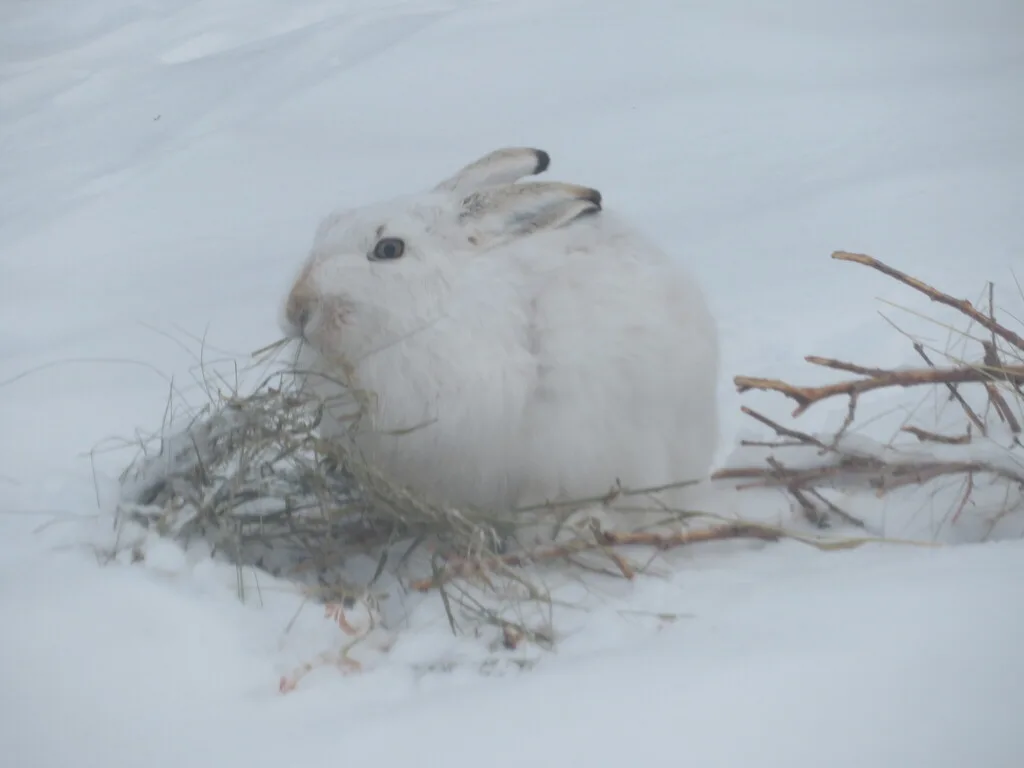
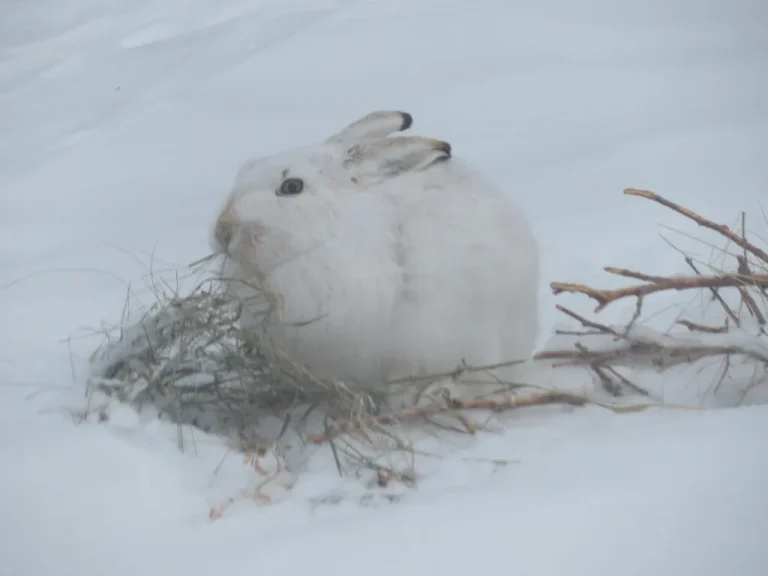
Image source: iNaturalist / dghjertaas
Quick Answer
Rabbits’ absolute favorite food is good quality hay, which should form 80% of their diet. Their favorite treats often include carrots and fruits, but these must be offered sparingly due to their high sugar content. Safe leafy greens make up another 10-15%, with specialized pellets accounting for the remaining 5%.
The Non-Negotiable Foundation: Hay's Role in Rabbit Diet
If there is one single food that is the absolute cornerstone of a healthy rabbit diet, it's hay. This isn't a suggestion; it's a critical requirement for your bunny's well-being. Hay should consistently make up at least 80% of their entire food intake, every single day.
Without it, rabbits are at a much higher risk for serious health problems.
Why Hay is the King of Rabbit Nutrition
Hay isn't just filler; it's essential for several vital bodily functions in rabbits. Their digestive systems are designed for a constant intake of fibrous material, and hay perfectly fulfills this need. Manufacturer specifications for rabbit feed often highlight the necessity of a high-fiber base, as this directly supports gut motility.
For adult rabbits, a minimum of 18-25% fiber content in their overall diet is recommended and best achieved through hay.
- Digestive Health: The high fiber content in hay is crucial for maintaining a healthy gut microbiome and promoting regular waste elimination. This constant movement helps prevent a potentially fatal condition known as GI stasis, where the digestive tract slows down or stops altogether.
- Dental Well-being: A rabbit's teeth grow continuously throughout their life, similar to how our fingernails grow. The abrasive nature of chewing hay is the primary way these teeth are worn down naturally; without sufficient hay, teeth can overgrow, leading to pain, difficulty eating, and infections.
- Behavioral Enrichment: The act of chewing and foraging for hay provides significant mental stimulation for rabbits. It keeps them occupied, reduces boredom, and can help prevent stress-related behaviors.
Types of Hay for Your Rabbit
Not all hays are created equal, and knowing the different types can help you provide the best option for your specific rabbit. For adult rabbits, the best everyday choice is timothy hay. This type offers a good balance of fiber and nutrients without being too rich.
- Timothy Hay: This is the most common and recommended hay for adult rabbits. It has a good fiber content and is lower in protein and calcium compared to alfalfa.
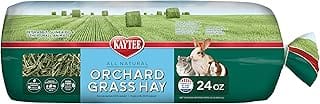
- Orchard Grass and Oat Grass: These are also excellent choices for adult rabbits. They are palatable, provide good fiber, and can be mixed with timothy for variety.
- Alfalfa Hay: This hay is richer in protein and calcium. While beneficial for young, growing bunnies (under 6-7 months), pregnant, or nursing does, it can lead to weight gain and urinary issues in adult rabbits if fed in excess.
It’s a good practice to offer a variety if your rabbit will accept it, but ensure the majority of their hay consumption remains timothy or other grass hays for adult bunnies.
Daily Greens: The Bulk of a Healthy Rabbit Diet
After hay, fresh leafy greens form the next major component of a rabbit's diet, typically making up about 10-15% of their daily food intake. This is where you can introduce a lot of variety and some nutritious additions that your rabbit will likely enjoy. Offering a diverse selection of greens ensures they receive a broad spectrum of vitamins and minerals.
Safe and Delicious Greens for Your Bunny
When selecting greens, focus on those that are nutrient-dense and safe for daily consumption. The key is to offer a variety, rotating different types to provide a wide range of nutrients and keep your rabbit from getting bored. Aggregated reviews from veterinary nutritionists consistently highlight the benefits of feeding several types of greens daily.
Excellent Daily Greens:
- Romaine Lettuce: Choose the darker green leaves; iceberg lettuce has minimal nutritional value.
- Parsley: A good source of Vitamin K and A, and most rabbits enjoy its flavor.
- Cilantro: Another tasty herb that many rabbits favor.
- Dandelion Greens: If you can source them from a pesticide-free area, these are nutritious and a favorite for many bunnies.
- Bok Choy: Offers good hydration and nutrients.
Greens to Feed in Moderation:
- Spinach: High in oxalates, which can interfere with calcium absorption. Offer occasionally, not daily.
- Kale: Also high in oxalates. Feed in small amounts and rotate with other greens.
- Broccoli Tops: The leaves are generally preferred and safer than the florets.
The ideal scenario is to offer a mix of 3-5 different types of greens each day. This variety not only ensures a broader nutrient intake but also helps prevent your rabbit from developing a preference for only one type of food, which can make dietary changes difficult later on.
Introducing New Greens Safely
When you introduce any new green into your rabbit's diet, it's crucial to do it gradually. A rabbit's digestive system can be sensitive to sudden changes. Start by offering a very small amount of the new green mixed with a familiar one.
It’s wise to offer only one new green at a time.
Observe your rabbit for any signs of digestive upset over the next 24-48 hours. Soft stools, diarrhea, or a reduced appetite are indicators that the new food may not agree with them. If you notice any adverse reactions, discontinue the new green and consult with your veterinarian if symptoms persist.
This careful approach ensures you can expand their diet safely without causing discomfort or health issues.
Pellets: A Small, Necessary Supplement
While hay and fresh greens are the stars of a rabbit's diet, high-quality pellets play a supporting role, acting as a nutritional supplement rather than the main course. For adult rabbits, pellets should constitute only about 5% of their total daily food intake. Think of them as a vitamin boost or a balanced multivitamin, not a primary food source.
What to Look for in Quality Rabbit Pellets
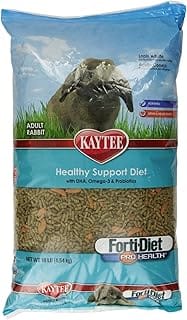
Not all rabbit pellets are created equal, and choosing the right ones is vital for your rabbit's health. When shopping, look for specific indicators on the packaging that align with veterinary recommendations. Verified buyer feedback often emphasizes the importance of checking the nutritional breakdown.
- Timothy-Based: For adult rabbits, always opt for timothy hay-based pellets. These hays provide the appropriate fiber content without excessive protein or calcium, which can be problematic for adult bunnies.
- High Fiber: Aim for pellets with a fiber content of at least 18% and ideally 20-25%. This significantly contributes to their daily fiber needs, supporting digestion and dental wear.
- Moderate Protein: Adult rabbits generally need around 12-14% protein. Higher levels can be too taxing on their kidneys.
- Low Fat: A fat content of 1-3% is typically ideal.
- Avoid Additives: Steer clear of pellets that contain seeds, nuts, dried fruits, or brightly colored chunks. These are often unhealthy fillers that add unnecessary fat and sugar and can contribute to digestive problems. The healthiest kibble cat food, for example, also avoids excessive fillers.
Manufacturer specifications for reputable brands will clearly display these nutritional values. It’s always best to choose a single-ingredient (hay) based pellet to ensure purity and quality.
How Many Pellets Are Enough?
Portion control for pellets is as important as the quality of the pellets themselves. Overfeeding pellets can lead to several health issues, including obesity and a decreased intake of hay. This is a crucial point because reduced hay consumption can directly lead to the digestive and dental problems previously mentioned.
As a general guideline, adult rabbits typically need about 1/8 to 1/4 cup of high-quality, timothy-based pellets per 4-5 pounds of body weight per day. This amount should be adjusted based on your rabbit's age, activity level, and whether they are gaining or losing weight. It’s always a good idea to consult with your veterinarian to determine the precise pellet portion for your specific rabbit.
Just like with how many calories in canned cat food can vary, the right pellet amount is individual.
Treats and "Sometimes" Foods: Fruits and Veggies
This is the category where many of a rabbit's perceived "favorites" lie, the sweet, crunchy fruits and vegetables that can make them do a little hop of joy. However, these items are also typically higher in sugars and starches than their daily greens or hay. Therefore, they should be treated as occasional delights, not daily staples.
Healthy Treats: What Rabbits Enjoy
When offering treats, think "small piece, occasionally." These are excellent for bonding with your rabbit or for positive reinforcement training. They provide enrichment and can be a welcome change in their routine, but moderation is absolutely key to avoid upsetting their sensitive digestive system.
Fruits (offer a small piece 1-2 times per week):
- Apple slices: Ensure you remove the seeds and core completely, as apple seeds contain cyanide.
- Banana slices: These are very high in sugar, so offer only a very small, thin slice.
- Berries: Strawberries, blueberries, raspberries, and blackberries are all generally well-received.
- Melon: Cantaloupe, honeydew, or watermelon (seeds removed) are good choices.
- Stone fruits: Peach, plum, or nectarine slices are fine, but always remove the large central pit.
Vegetables (offer a small piece 1-2 times per week):
- Carrots: While iconic, carrots are quite sugary and should be given in small quantities, similar to fruit treats.
- Bell Peppers: All colors are safe and most rabbits enjoy their crunch.
- Cucumber: Refreshing and hydrating, but offers little in terms of nutrients.
- Zucchini: Another good mild vegetable treat.
The size of the treat should be proportionate to the rabbit's size. For a typical small-to-medium adult rabbit, a piece the size of your fingertip is often sufficient.
Portion Control is Key for Treats
It cannot be stressed enough: treats should be given in very small quantities. Feeding too many sugary fruits or starchy vegetables can lead to several adverse health effects in rabbits. These include digestive upset, diarrhea, obesity, and dental problems if they displace hay consumption.
The overall goal is to provide a balanced diet where hay and greens are the dominant food sources.
For instance, if you're offering a small piece of apple as a treat, it should be no larger than a coin for a small rabbit or two coins for a larger breed. This careful portioning ensures that while your rabbit gets to enjoy a special snack, it doesn't compromise their essential dietary needs. If you're also feeding safe greens daily, the amount of treat should be even smaller to prevent an imbalance.
Crucial: Foods to Absolutely Avoid
Just as important as knowing what to feed your rabbit is understanding what could be harmful, or even toxic, to them. A rabbit's digestive system is delicate and finely tuned to a specific diet. Introducing unsuitable foods can quickly lead to serious health issues, requiring immediate veterinary attention.
Our research indicates that many common household foods are dangerous for rabbits.
Foods That Are Harmful or Toxic to Rabbits
Many foods that are perfectly safe for humans or other pets can cause severe illness or death in rabbits. It is critical to be vigilant and keep these items completely out of reach. These are not just foods to limit; they are foods to eliminate entirely from your rabbit's environment and diet.
- Avocado: This fruit contains a dangerous toxin called persin. Persin can cause respiratory distress and heart failure in rabbits, among other serious symptoms.
- Onions, Garlic, Chives, Leeks, and Other Alliums: All members of the allium family are toxic to rabbits. Even small amounts can cause damage to their red blood cells, leading to anemia.
- Potatoes and Rhubarb: Potatoes contain solanine and are very starchy, making them difficult for rabbits to digest and potentially toxic. Rhubarb leaves and stems contain oxalic acid, which is also toxic.
- Certain Flowers and Plants: Many common houseplants and garden plants are toxic to rabbits. If you are unsure about a plant, it is best to assume it is not safe.
- Processed Human Foods: Anything containing high amounts of sugar, salt, starch, or artificial ingredients is off-limits. This includes bread, crackers, cereal, pasta, chocolate, and candy.
- Seeds and Nuts: These are high in fat and can easily cause digestive blockages in rabbits.
- Dairy Products: Rabbits are lactose intolerant. Milk, cheese, and yogurt can cause severe digestive upset.
- Meat and Animal Products: Rabbits are herbivores; they do not and should not eat any form of meat or animal by-products.
Always ensure that any "treats" you consider, even if they seem safe, are thoroughly researched. If there is any doubt about a food's safety, do not feed it to your rabbit. This careful approach is vital for maintaining their health, just as selecting the right cat food for cats with no teeth is important for their specific needs.
Balancing Favorites with Health: Expert Feeding Advice
The final piece of the puzzle is bringing together what your rabbit naturally gravitates towards with what their bodies truly need. Many owners find their rabbits have a strong preference for certain sweet vegetables like carrots or fruits. While these can be part of a healthy diet, they must be managed carefully to prevent the health issues associated with overconsumption.
Creating a Balanced Daily Diet Plan
A balanced diet for an adult rabbit as of 2026 generally follows these proportions:
- Hay: 80% of the diet. This should be fresh, high-quality grass hay offered constantly.
- Leafy Greens: 10-15% of the diet. A variety of safe, dark, leafy greens daily.
- Pellets: 5% of the diet. High-fiber, timothy-based pellets in a controlled portion.
- Treats (Fruits/Certain Veggies): Less than 5% of the diet. Given very sparingly.
This structured approach ensures that the bulk of their intake is fibrous and low in sugar, supporting their natural physiology. This nutritional framework is endorsed by leading veterinary organizations and is designed to support the long-term health and vitality of pet rabbits everywhere. If you're struggling to balance these components, consider consulting resources on how to make cat food from scratch for principles of balanced raw ingredient feeding, though the specific needs are, of course, different.
Common Rabbit Feeding Mistakes to Sidestep
Many well-meaning owners inadvertently make mistakes that can impact their rabbit's health. One of the most common issues is overfeeding pellets and underfeeding hay. This imbalance can quickly lead to weight gain and digestive problems.
Another error is offering too many sugary treats.
- Mistake: Feeding primarily commercial mixes with seeds, nuts, and colorful pieces.
- Why it’s wrong: These are often unhealthy fillers that don’t provide adequate fiber and can cause digestive upset.
- Mistake: Relying heavily on carrots and fruits as daily feed.
- Why it’s wrong: High sugar content can lead to obesity, dental issues, and gut imbalances, similar to how high-calorie diets impact other pets.
- Mistake: Not providing enough fresh water.
- Why it’s wrong: Water is essential for digestion, nutrient absorption, and overall bodily function.
Understanding these common pitfalls helps you steer clear of them and provide the best possible diet for your bunny. Providing a diet of this nature is essential, much like ensuring a kitten receives the best cat food for 6 month old kitten for proper growth.
When to Worry: Signs of Dietary Problems
Changes in your rabbit's eating habits or their droppings are often the first indicators that something is amiss with their diet or digestion. Rabbits are prey animals and are instinctively good at hiding illness, so noticing subtle changes early is crucial for intervention and preventing more serious health complications.
Recognizing Signs of Digestive Upset
A healthy rabbit will have a consistent appetite and produce numerous, firm, round fecal pellets throughout the day. If you notice any significant departure from this norm, it warrants attention. Digestive issues in rabbits can escalate very quickly.
- Reduced Appetite or Refusal to Eat: This is a serious sign. If your rabbit eats significantly less than usual or stops eating altogether, it could indicate pain, blockage, or a serious illness.
- Changes in Fecal Pellets:
- Smaller or misshapen pellets: May indicate insufficient fiber or dehydration.
- Soft, mushy stools, or cecotropes (night feces) passed at the wrong time: This can signal an imbalance in the gut bacteria, often due to a diet too high in sugars or too low in fiber. It’s crucial to differentiate normal cecotropes, which are nutrient-rich and re-ingested, from abnormal ones.
- Absence of fecal pellets: This is a critical emergency, often indicating GI stasis. Your rabbit needs immediate veterinary care.
- Lethargy or Huddled Posture: A rabbit that is unusually inactive, spending a lot of time hunched over with its eyes half-closed, is likely in pain or feeling unwell.
- Weight Loss: Unexplained weight loss is a clear sign that something is wrong, whether it's a dietary issue, dental problem, or other underlying illness.
If you observe any of these signs, it's important to act quickly. The rabbit's gastrointestinal system is designed for constant, slow movement of food, and any significant disruption can have rapid, severe consequences.
When to Consult a Veterinarian
For any of the digestive issues mentioned above, or if you notice any other significant changes in your rabbit's health or behavior, seeking veterinary advice is paramount. Rabbits require specialized veterinary care, so it's best to find a rabbit-savvy veterinarian or an exotic animal veterinarian in your area.
A vet can perform a physical examination, assess your rabbit's diet, and conduct diagnostic tests if necessary. They can help identify the root cause of digestive problems, whether it's related to diet, dental disease, stress, or another underlying health condition. Prompt veterinary intervention can be life-saving for rabbits experiencing gastrointestinal distress or stasis.
Remember, when in doubt, always err on the side of caution and contact your veterinarian. This is similar to how one would seek professional advice for issues concerning how long does canned cat food last once opened if unsure about food safety.