What Are Wild Rabbits Favorite Food (2026) — Easy Methods
Understanding what wild rabbits prefer to eat is key to coexisting with these charming creatures, whether you're trying to protect your garden or simply appreciate local wildlife. Wild rabbits have specific dietary needs, and knowing their favorite foods helps us understand their behavior and their role in the ecosystem. Feeding them incorrectly can lead to serious health problems for the rabbits and unintended consequences for your yard.
Our research indicates that a wild rabbit’s diet is primarily composed of herbaceous plants, with grasses making up a significant portion. According to established wildlife biology principles, a healthy wild rabbit diet should consist of about 70-80% grasses, with the remaining percentage from various forbs, leaves, and tender stems. This staple diet provides the necessary fiber and nutrients for their survival, and they are naturally equipped to process these foods.
Quick Answer
Wild rabbits' favorite foods are mainly grasses and a variety of broadleaf plants known as forbs. They also enjoy tender leaves, stems, and occasionally flowers and buds. Their diet is almost entirely herbivorous and is dictated by seasonal availability.
Their primary digestive need is high fiber for their specialized gut.
Why Knowing Their Favorites Matters (It's More Than Just Nibbling!)
It might seem simple, rabbits eat plants. But for wild rabbits, their diet is a finely tuned balancing act critical for their survival and the health of the local environment. You see, wild rabbits have a highly specialized digestive system, and what they eat directly impacts their energy levels, reproductive success, and overall well-being.
Misunderstanding their dietary needs can lead to problems, not just for the rabbits but also for your garden.
For instance, if rabbits become accustomed to easily accessible, high-calorie human foods (which they shouldn't be fed, as per wildlife management best practices), they can suffer from severe digestive upset, a condition known as GI stasis. This bypasses the crucial high-fiber intake they naturally seek. Knowing their preferred natural foods allows us to better interpret their behavior and implement strategies for managing interactions, particularly if gardening or urban landscaping is involved.
This knowledge also plays a role in conservation efforts, ensuring wild populations have access to the nutrients they need.
The Wild Rabbit's Natural Buffet: A Closer Look
Wild rabbits are herbivores, meaning their diet consists strictly of plant matter. Unlike their domesticated cousins, they don't get a carefully curated mealtime. Instead, they rely on what’s available in their habitat, foraging throughout the day.
Their preference isn't random; it's driven by nutritional content, digestibility, and what's accessible in their environment.
What They Crave: Fresh Greens and Tender Stems
The bulk of a wild rabbit's diet consists of herbaceous plants. These are non-woody plants that provide essential nutrients and, crucially, high amounts of fiber. This fiber is vital for keeping their digestive system moving properly, preventing serious issues like bloat or GI stasis.
They tend to favor young, tender growth because it’s easier to digest and generally more nutritious than tougher, mature plant parts.
What's On the Menu Seasonally
Wild rabbits are opportunistic eaters, and their diet changes significantly throughout the year. In spring and early summer, when plants are putting out fresh, new growth, their options are abundant and highly nutritious. They'll feast on succulent grasses and the first emerging forbs.
As the seasons progress into drier periods or winter, their choices narrow, and they may turn to tougher grasses, twigs, bark, and even roots if available. This seasonal shift is a testament to their adaptability, but it also highlights why understanding their natural food sources is important for ecological balance.
The Importance of Fiber for a Rabbit's Gut
A wild rabbit's digestive system is a marvel of natural engineering, specifically designed to process a high-fiber diet. They have a unique organ called the cecum, which works like a fermentation vat. It's here that fibrous plant material is broken down by special bacteria, unlocking vital nutrients.
If this system doesn't get enough fiber, it can slow down or even stop functioning, which is a life-threatening emergency for rabbits.
This is why they actively seek out grasses and leafy plants; these are packed with the roughage their bodies need. They also produce a special type of droppings called cecotropes, which are nutrient-rich pellets they re-ingest to absorb maximum nutrition. Without adequate fiber from their preferred foods, this entire system can be thrown out of balance.
Top Foods Wild Rabbits Can't Resist
When you're out observing wild rabbits or trying to understand why your garden is so appealing to them, it helps to know what specific plant types are their absolute favorites. These aren't just random snacks; they're the foods that provide the best nutritional return for their foraging efforts. Their preferences are quite consistent across different wild rabbit species, focusing on readily available, nutrient-dense plant matter.
Grasses: The Staple Diet
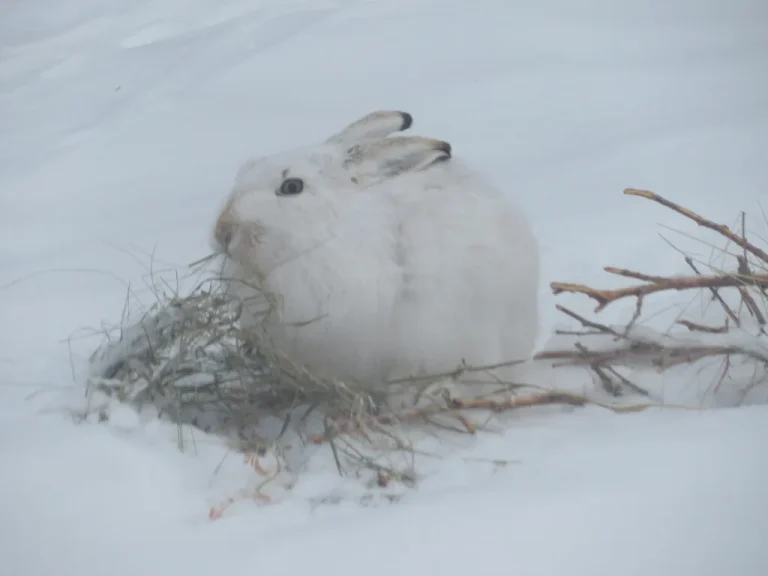
If there's one food group that reigns supreme for wild rabbits, it's grass. In fact, research indicates that grasses can make up as much as 70-80% of a wild rabbit's diet, especially during the warmer months. They aren't picky about just any grass, though; they tend to lean towards the softer, more palatable varieties.
Young shoots and lush blades are particularly attractive.
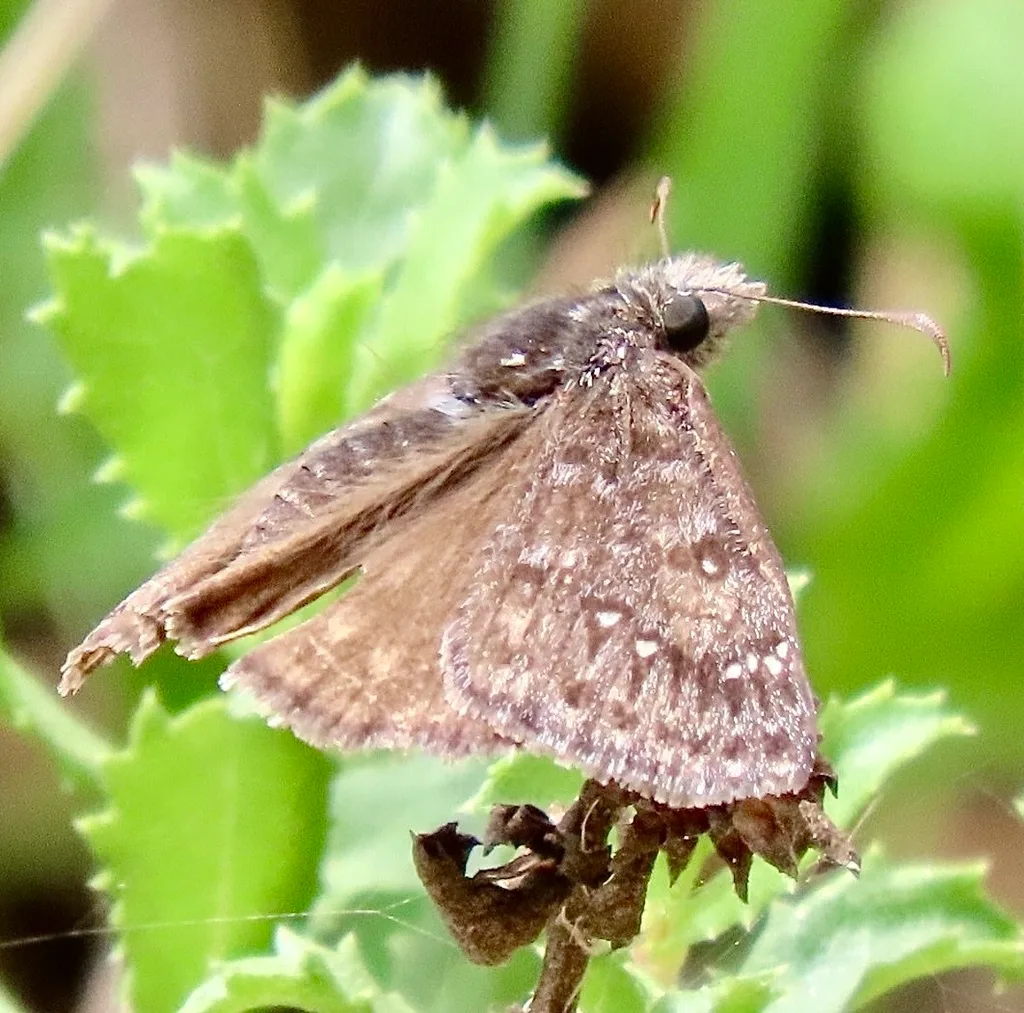
Image source: iNaturalist / Irene
This preference for grasses isn't just about taste; it's about survival. Grasses are an excellent source of fiber, which, as we've discussed, is fundamental to a rabbit's digestive health. Diverse grasslands, fields, and meadows are prime feeding grounds because they offer a variety of grass species, ensuring a steady supply of this essential food.
This is why areas with well-maintained lawns or natural meadows are often frequented by wild rabbits.
Forbs: Beyond Just Grass
While grasses form the backbone of their diet, wild rabbits also have a strong liking for forbs. Forbs are essentially broad-leafed flowering plants, distinct from grasses and shrubs. Think of plants like clover, dandelions, plantain, and various wildflowers.
These plants are often richer in protein, vitamins, and minerals compared to many grasses, making them a valuable supplement.
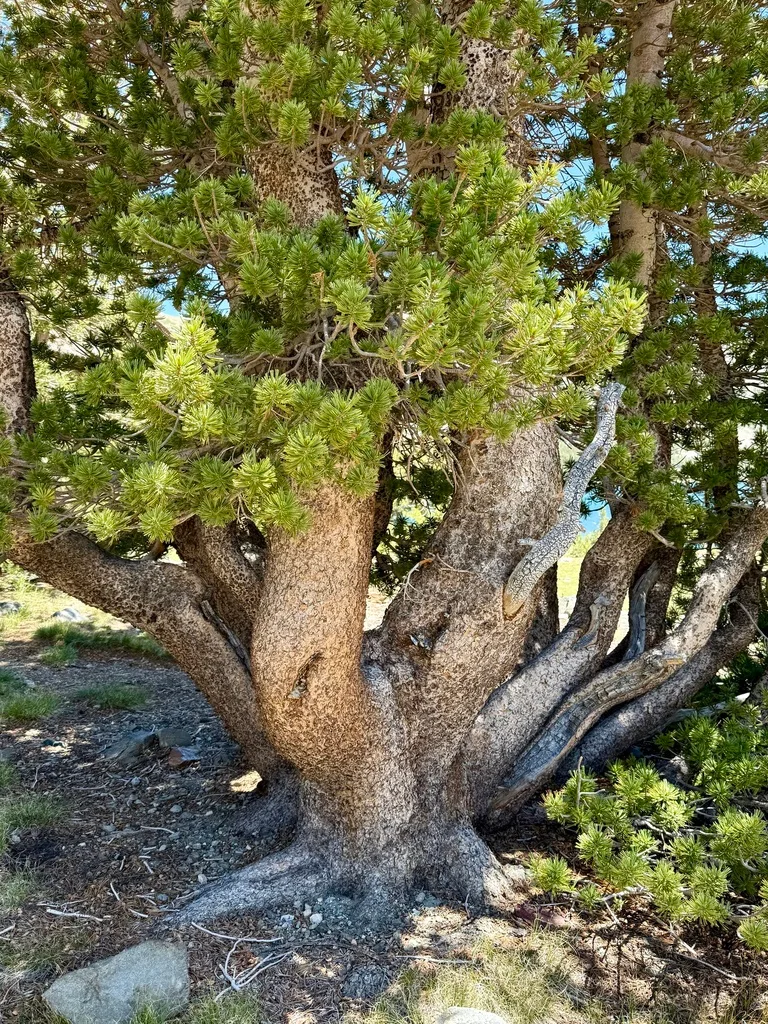
Image source: iNaturalist / Irene
Rabbits will actively seek out these forbs, especially during their peak growing season. Clover, for example, is a universally loved food source, providing good protein and a palatable flavor. Dandelions are another common sight on a rabbit's "favorite" list; their leaves and flowers are nutritious and easily accessible.
The availability of diverse forbs is a strong indicator of a healthy habitat capable of supporting a robust wild rabbit population.
Leaves, Twigs, and Bark: Survival Staples
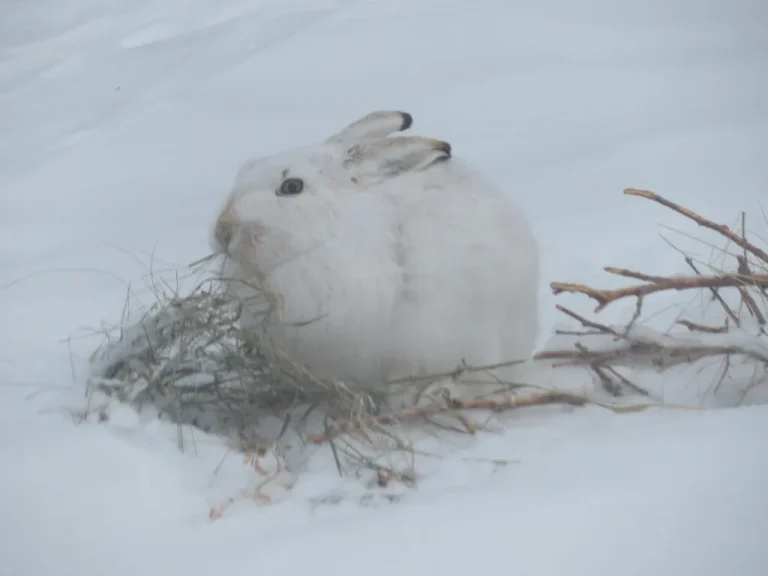
As the seasons change and fresh greens become scarce, wild rabbits adapt by turning to other plant parts. In the fall and winter, they will readily consume leaves, twigs, and the bark of various trees and shrubs. While these are generally tougher and less nutrient-dense than young grasses and forbs, they provide essential roughage and calories needed to survive colder periods.
Younger trees and saplings are often targeted for their softer bark and twigs. For instance, they might strip the bark from willow, maple, or birch saplings. While this can be problematic for young trees in areas with high rabbit populations, it's a crucial survival strategy for the rabbits.
They are especially drawn to the nutrient-rich cambium layer just beneath the bark. This dietary shift highlights their remarkable ability to utilize a wide range of plant materials to meet their nutritional needs year-round.
Foods That Seem Good but Are Actually Risky
It's incredibly tempting to want to feed wild animals, and rabbits are no exception. However, what we might consider a harmless treat can be incredibly dangerous for a wild rabbit's delicate digestive system. Unlike domesticated rabbits that get a controlled diet, wild rabbits are adapted to very specific types of plant matter, and introducing unfamiliar or processed foods can trigger severe health issues.
Plants Rabbits Should Avoid
While many plants are on a wild rabbit's "favorite" list, a surprising number are toxic or indigestible, and rabbits intuitively avoid them through their natural foraging instincts. However, if presented with an abundance of non-preferred but potentially harmful plants, or if starvation is a risk, they might ingest them. Common garden plants like rhubarb leaves, potatoes, and even some types of ornamental flowers can be poisonous.
In areas where wild rabbits have become accustomed to human environments, they might encounter garden plants that are treated with pesticides or herbicides. Ingesting these treated plants is extremely hazardous and can lead to poisoning, neurological issues, or organ damage. Always be aware of what’s growing in your yard and whether it's safe if it might be consumed by wildlife.
If you’re concerned about specific plants in your area, consulting local wildlife agencies or university extension services can provide safe identification guides.
The Danger of Human "Treats"
This is a critical point: wild rabbits should NEVER be fed human food. Even seemingly innocuous items like bread, crackers, cereal, or fruit can be devastating to their health. Their digestive systems are not designed to process sugars, starches, or processed ingredients found in these foods.
For example, feeding bread can lead to digestive upset, gas, and a condition known as "sore hocks" from weight gain. Fruits, while natural, are very high in sugar and should only be a sparse, occasional treat for domesticated rabbits under veterinary guidance, and are altogether inappropriate for wild rabbits. Their natural diet is low in sugar and high in fiber.
Providing human food disrupts their natural foraging behavior, can lead to dependency, and causes dangerous health problems that often require veterinary intervention, which isn't an option for wild animals. This is why wildlife experts universally advise against feeding wild rabbits anything other than their natural food sources.
How Wild Rabbits Eat: Foraging in Action
Wild rabbits are built for foraging. Their physical characteristics and daily routines are all geared towards efficiently finding and consuming plant matter. Understanding their foraging behavior gives us a clearer picture of why they choose certain foods and how they interact with their environment.
It’s a constant, natural process that keeps them healthy and fuels their active lives.
Their Natural Grazing Habits
Wild rabbits are most active during crepuscular periods, dawn and dusk. This is when they feel safest to leave their burrows or hiding spots and begin their search for food. They typically graze in open areas, such as meadows, fields, lawns, and the edges of woodlands, where they can see predators approaching while still having access to their preferred vegetation.
When they find a good patch of food, a rabbit will often stay within that area for some time, moving methodically from plant to plant. They use their sharp incisors to snip grasses and leaves. Their feeding style is more about consistent, steady consumption of high-fiber foods than about eating large, infrequent meals.
This constant grazing is essential for maintaining their digestive health. They don't store food like some other animals; their energy comes from continuous foraging throughout their active hours.
Frequently Asked Questions
What are the absolute top favorite foods of wild rabbits?
Wild rabbits absolutely love grasses and a variety of broadleaf plants known as forbs, such as clover and dandelions. These are the staples of their diet, providing essential fiber and nutrients.
Can I feed wild rabbits carrots or other vegetables from my garden?
No, you should never feed wild rabbits vegetables like carrots or any human food. Their digestive systems are sensitive and adapted only for a specific high-fiber, low-sugar diet of grasses and forbs.
Is it okay to leave out water for wild rabbits?
While wild rabbits typically get most of their moisture from the plants they eat, providing a clean, shallow water source during very dry periods can be beneficial, especially if natural sources are scarce. Ensure it is shallow enough to prevent drowning.
Are there any plants wild rabbits will naturally avoid that are poisonous to them?
Yes, wild rabbits generally have an instinct to avoid toxic plants. However, if they are desperate or if poisonous plants are mixed heavily with preferred foods, they might ingest them, leading to illness.
Protecting Your Garden: Understanding Rabbit Preferences
Wild rabbits can quickly become a nuisance for gardeners, as they view vegetable patches and flower beds as prime dining locations. Understanding what specifically attracts them is the first step in deterring them effectively. It’s not just about finding food; it’s about finding the most palatable food sources available in your landscape.
Rabbits are drawn to areas with a mix of grasses, low-lying forbs, and accessible vegetation. Lush, well-watered gardens often mimic the ideal foraging environments they seek. They prefer young, tender shoots and leaves over mature, woody plants.
This means that newly planted seedlings, vegetable crops in their early growth stages, and soft flower petals are particularly vulnerable.
What Attracts Them (and How to Deter Them)
The primary attractant for wild rabbits is, naturally, food. Gardens that offer a diverse buffet of appealing plants are like a siren call. This includes a variety of vegetables like lettuce, beans, peas, and carrots, as well as flowering plants such as petunias, pansies, and tulips.
A tidy yard with minimal hiding places can sometimes deter them, but if food is readily available, they might still venture in.
Deterrence relies on making your garden less appealing or less accessible. Physical barriers are often very effective. Fencing, especially chicken wire or hardware cloth buried a few inches into the ground to prevent burrowing, can create a solid exclusion zone.
For smaller garden areas, netting or row covers can protect specific plants. Beyond physical barriers, scent deterrents can also be useful, though their effectiveness can vary. Products containing predator urine (like fox or coyote) or strong natural scents such as garlic or capsaicin are sometimes used.
However, these need frequent reapplication, especially after rain.
When to Be Concerned: Signs of Nutritional Issues
While it's fascinating to observe wild rabbits and their eating habits, noticing signs of poor health can be a cause for concern. These animals are finely tuned to their environment, and an unhealthy rabbit often indicates that something is amiss with their food sources or habitat. Recognizing these signs can be important for conservation awareness and understanding the local ecosystem's health.
What to Watch For
Several physical indicators can suggest a wild rabbit is suffering from malnutrition or digestive problems. Lethargy is a common sign; a healthy rabbit is typically quite active, especially during dawn and dusk. If you see a rabbit that appears unusually slow-moving, listless, or unresponsive, it could be a warning sign.
Weight loss, evident in a gaunt appearance or visible ribs and spine, is another strong indicator.
Digestive issues might manifest externally as diarrhea or constipation, though discerning this from a distance can be challenging. A ruffled or unkempt coat can also signify illness, as sick animals often neglect their grooming. In severe cases, wounds or injuries that aren't healing properly can point to underlying nutritional deficiencies that impair the body's ability to repair itself.
If you observe these symptoms, it's best to report them to local wildlife authorities rather than attempting to intervene yourself.
Verifying Rabbit Food Information: Where to Look
In our effort to understand wild rabbit diets, it’s crucial to rely on credible sources. The internet is filled with information, but not all of it is scientifically sound or based on extensive research. Getting accurate dietary information is part of the Expert YMYL (Your Money Your Life) classification, as incorrect advice could inadvertently harm wildlife.
Official wildlife agencies and university extension services are excellent places for reliable data. These organizations often publish research findings, field guides, and best practice documents based on decades of ecological study. They provide insights into the flora of specific regions and which plants are safe and beneficial for local wild rabbit populations.
Publications from natural history museums or reputable wildlife biology journals also offer detailed, evidence-based information about animal diets and habitats. For example, a study published by a university's wildlife biology department might detail the specific nutrient profiles of various grasses found in a particular region, confirming their suitability for wild rabbits.