How to Care for Wild Rabbits in 2026 (What Actually Works)
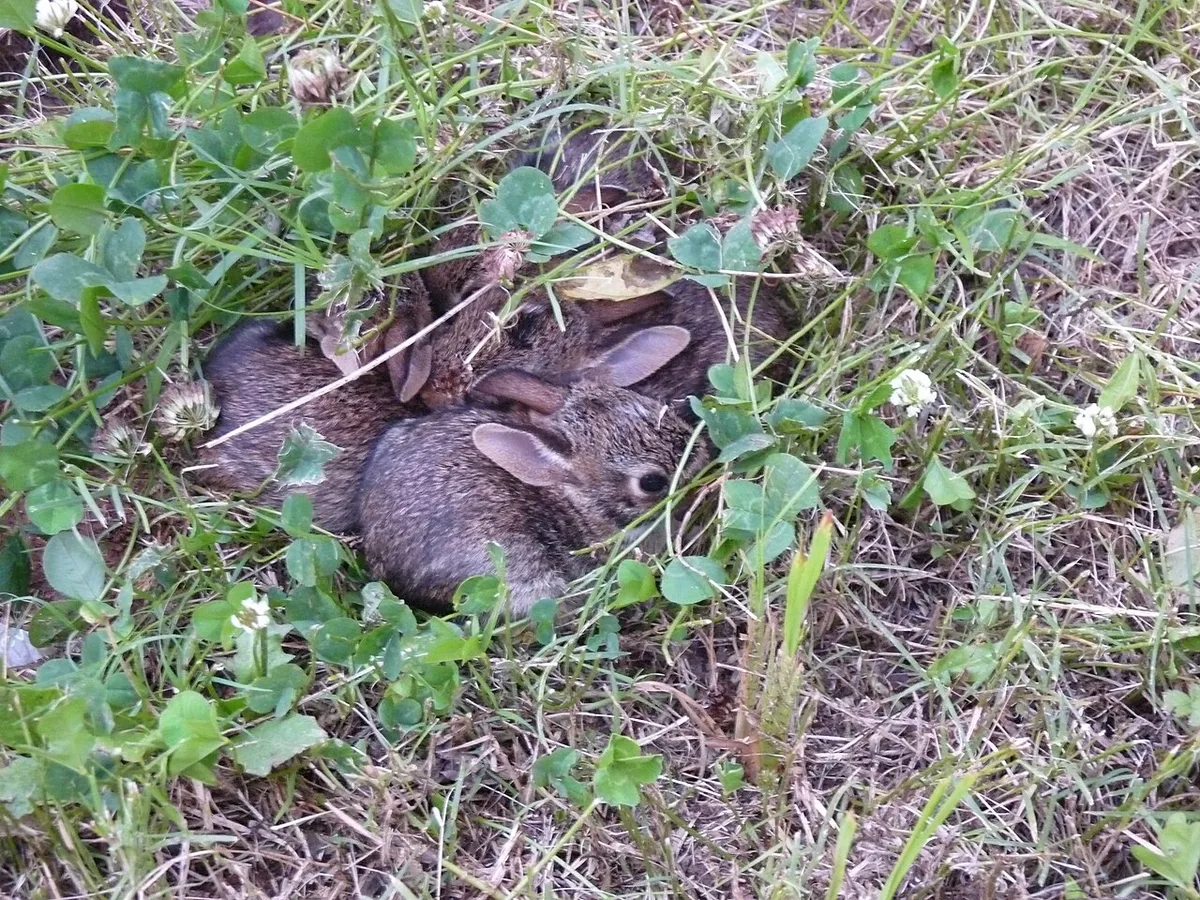
Image source: Wikimedia Commons / Stephen Rahn
Finding a wild rabbit can be a tug on your heartstrings, especially if it seems distressed or alone. However, understanding how to care for wild rabbits isn't about providing a cozy home; it's about knowing when and how to help safely and legally. Our research confirms that improper handling can do more harm than good, potentially jeopardizing the animal's survival and even posing risks to you.
In many cases, what looks like an orphaned or injured rabbit actually doesn't need human intervention. The doe might be off foraging, or the rabbit could be undergoing a natural molting process. For instance, according to wild animal rehabilitation guidelines, intervening when a rabbit is merely left alone for a few hours can lead to unnecessary stress and abandonment.
That's why careful observation is crucial before you even consider stepping in.
Quick Answer
Caring for wild rabbits requires specialized knowledge and often, professional help. Intervening unless a rabbit is visibly injured or confirmed orphaned can be harmful. If you find a rabbit that's clearly hurt or you've confirmed it's orphaned, meaning its mother hasn't returned for over 12 hours and the babies are cold and weak, your first step is always to contact a licensed wildlife rehabilitator.
They possess the expertise and permits to provide proper care, diet, and a safe environment, ultimately preparing the rabbit for release back into its natural habitat.
Is This Rabbit Truly Orphaned or Injured? Spotting the Signs
It's incredibly easy to misinterpret a wild rabbit's situation, especially when it comes to young ones. A common mistake is assuming a solitary baby rabbit is abandoned. Wild rabbit mothers typically visit their young only once or twice a day, usually at dawn and dusk, to nurse.
This is a survival strategy to avoid attracting predators to the nest.
Image source: Wikimedia Commons / Unknown authorUnknown author
So, if you see a baby rabbit alone in a nest, resist the urge to move it or "rescue" it immediately. There are specific indicators of distress or true orphaning. An injured rabbit will often show obvious signs like bleeding, drooping limbs, lethargy, or labored breathing.
A truly orphaned baby, conversely, might be cold to the touch, crying incessantly, or have its eyes still closed while the mother is nowhere in sight after a prolonged period, generally considered more than 12 hours. If you find a rabbit that appears injured, do not attempt to administer food or water. Wrong types of food can cause severe digestive issues like bloat, which can be fatal quickly in young rabbits.
When You Absolutely Shouldn't Interfere: Critical First Checks
The instinct to help is strong, but with wild animals, it's often best to observe from a distance first. Many rabbits you might encounter are perfectly fine and engaged in their natural behaviors. For instance, adult rabbits are generally solitary and forage independently.
A young rabbit that appears alone might simply be waiting for its mother's return, which is a normal part of their development.
If you locate a nest of baby rabbits, the primary rule is to leave it undisturbed. Gently cover it with light debris or grass to see if the mother returns. If footprints or other signs indicate human disturbance, the mother may be hesitant to return.
In such cases, you would monitor from a significant distance for several hours. Only if the babies are visibly distressed, cold, or attracting pests like flies should you consider intervention, and even then, the next step is contacting a professional.
Your Immediate Next Steps: Safety First, Then Action
If your observation confirms that a wild rabbit is indeed in distress, whether it's injured or truly orphaned, the most critical action you can take is to contact a licensed wildlife rehabilitator immediately. These individuals are trained and permitted to handle wild animals, understand their specific needs, and have the proper facilities for care. Attempting to care for a wild rabbit yourself without proper training can lead to severe consequences for the animal and legal trouble for you.
When you reach out to a rehabilitator, be prepared to provide as much detail as possible about the rabbit's condition, its location, and how you found it. This information helps them assess the situation and advise you on the next steps. If instructed to safely contain the animal while waiting for pickup or transport, use a secure, well-ventilated container like a pet carrier lined with a soft cloth.
Always wear gloves when handling any wild animal, as they can carry diseases transmissible to humans and domestic pets, a key reason why direct handling is discouraged.
The Dangers of DIY Wild Rabbit Care: Why It's Expert YMYL
Taking on the care of a wild rabbit without professional guidance is incredibly risky for several reasons, placing it firmly in the "Expert YMYL" (Your Money Your Life) category. These animals have complex dietary needs and can succumb rapidly to stress or improper handling. Furthermore, legal ramifications exist for possessing wild animals without the necessary permits.
Legal Pitfalls: Possessing Wild Animals Without a Permit
In most regions, it is illegal to keep a wild animal, including a rabbit, as a pet or to attempt to care for one without a specific wildlife rehabilitation permit. These laws are in place to protect both the public and the animals, ensuring that only trained individuals provide care that could potentially lead to a successful release. Violating these regulations can result in fines and confiscation of the animal.
For example, as of 2026, many state wildlife agencies require rehabilitators to complete extensive training and pass stringent exams before issuing permits. Unauthorized possession can be viewed as poaching or illegal trade, depending on the circumstances.
Health Risks: Zoonotic Diseases You Can Catch
Wild rabbits can carry various diseases and parasites that are transmissible to humans and domestic animals, a phenomenon known as zoonosis. While not all wild rabbits carry these diseases, the risk is present, and it's a primary reason why direct contact should be minimized. These can include bacterial infections, fungal infections, and external parasites.
Proper hygiene, including thorough handwashing after any potential contact and wearing gloves, is paramount. If you find an injured or orphaned rabbit, your safest and most responsible course of action is always to contact a licensed wildlife rehabilitator who is equipped to handle these risks safely.
When You're Working with a Licensed Rehabilitator: What to Expect
If you've successfully connected with a licensed wildlife rehabilitator and they've asked you to temporarily hold an animal or transport it, it's crucial to follow their instructions precisely. They will guide you on the best way to minimize stress for the rabbit. This typically involves creating a quiet, dark, and secure environment.
Stabilizing a Rabbit: Providing Crucial Warmth and Quiet
A primary concern for rescued wild rabbits, especially young ones, is maintaining their body temperature. Hypothermia is a significant threat. Rehabilitators will often instruct finders to place the rabbit in a secure, dark box lined with soft, unscented towels or bedding.
A heating pad set on low and placed on one side of the box, allowing the animal to move away if it gets too warm, is often recommended. Continuous quiet and minimal disturbance are essential, as stress can severely impact a wild animal's health.
Hydration and Feeding: The Delicate Balance for Young Rabbits
Proper hydration and a species-specific diet are critical for a wild rabbit's survival and recovery. Rehabilitators will provide the exact feeding schedule, type of formula, and method of administration. For very young, orphaned rabbits, this might involve gavage feeding or specialized milk replacers.
Incorrect feeding methods, such as trying to force liquids from a syringe, can easily lead to aspiration pneumonia. Never attempt to feed a wild rabbit anything without explicit instructions from a trained professional. For example, human milk replacers or cow's milk are unsuitable and can cause severe digestive upset.
Diet: Giving Them the Right Nutrition (and What NOT to Give)
Providing the correct nutrition is one of the most challenging aspects of wild rabbit rehabilitation. Young rabbits require specific milk replacers, often formulated by veterinary professionals or experienced rehabilitators. These formulas mimic the composition of rabbit milk, which is high in protein and fat.
In our research, we found that common household milk alternatives like cow's milk or goat's milk are not suitable and can lead to serious digestive upset, including diarrhea and bloat, which are often fatal for kits.
Enclosure Essentials: Creating a Safe Haven
Once a wild rabbit is stable and being fed, its environment becomes paramount. Rehabilitators aim to replicate a natural burrow as closely as possible while ensuring safety and hygiene. The enclosure should be dark, quiet, and secure, preventing escape and protecting the animal from external stressors like loud noises or other pets.
It’s vital that the enclosure is kept scrupulously clean to prevent the buildup of bacteria or parasites, which can quickly compromise a recovering animal's health.
What NOT to Do: When to Step Away and Let Nature (or Experts) Handle It
Many well-intentioned individuals make critical errors when trying to help a wild rabbit. The biggest mistake is assuming a rabbit needs human intervention when it doesn't. For example, a mother rabbit will leave her young alone for extended periods to forage.
Her return is essential for their survival; human presence can deter her permanently.
Mistakes That Can Cost a Wild Rabbit Its Life
Here are some common blunders that can tragically seal a wild rabbit's fate:
- Feeding Inappropriate Foods: This is a major killer. Never offer bread, lettuce, or cow's milk. These can cause fatal digestive issues like diarrhea or bloat. Even some fruits and vegetables, while healthy for domestic rabbits, can be too much for a stressed wild animal.
- Over-Handling the Animal: Wild rabbits are easily stressed by human contact. Excessive handling can lead to shock, hypothermia, or even internal injuries. Always wear thick gloves if you must handle a rabbit, and do so only when instructed by a rehabilitator.
- Trying to Keep Them: Wild rabbits are not pets. They have specific social and environmental needs that cannot be met in a typical household setting. Keeping them illegally also deprives them of the chance to be returned to their natural environment.
Trying to Keep Them: Why Wild Rabbits Don't Make Good Pets
Many people find orphaned baby rabbits and consider raising them as pets. However, wild rabbits have deeply ingrained instincts that make them unsuitable for domestication. They are prey animals, and domestic environments can be highly stressful, leading to constant fear and anxiety.
Their escape artistry is legendary; they can chew through barriers and dig with surprising speed to get away from perceived threats. Additionally, rehabilitators must adhere to strict protocols regarding release. Attempting to keep an animal that could have been rehabilitated and released means that animal loses its chance at a natural life.
The Importance of Proper Release: Letting Go for Good
The ultimate goal of any rescue and rehabilitation effort is the successful release of the animal back into its natural habitat. This isn't just about the rabbit being healthy enough to survive; it also involves ensuring it has the necessary skills and knowledge to thrive in the wild. Rehabilitators carefully prepare rabbits for release, often by gradually reducing human contact and ensuring they can forage and evade predators effectively.
When Is a Rabbit Ready for Release?
A rabbit is typically ready for release when it can consistently maintain its body temperature, eat a varied diet of appropriate wild foods, and exhibit normal wild behavior. The timing for this varies greatly depending on the animal's initial condition and age, but often takes several weeks to months. Rehabilitators assess the rabbit's physical condition, its behavioral responses to stimuli, and its ability to forage.
Choosing the Right Release Site
The location for releasing a wild rabbit is just as important as its physical readiness. Rehabilitators will choose a site that offers adequate food and water sources, shelter from predators, and a healthy population of other wild rabbits. Releasing an animal into an area with too many predators, insufficient food, or unsuitable habitat significantly reduces its chances of survival.
It's about giving them the best possible second chance in their natural environment.