How to Take Care of Newborn Wild Rabbits 2026
The urge to help a tiny, seemingly helpless creature is strong, and when you find a newborn wild rabbit alone, your first instinct might be to scoop it up and tend to it yourself. However, acting on this impulse without understanding the specific needs and risks involved often does more harm than good. Figuring out how to take care of newborn wild rabbits requires a critical assessment of the situation, as intervention is rarely the best first step.
Our research indicates that most perceived orphaned young wildlife are not actually abandoned. A mother rabbit typically only visits her nest once or twice a day to feed her kits, a behavior that can easily lead humans to believe the young are neglected. In fact, attempting to hand-raise wild rabbits without proper licensing and expertise can be illegal and nearly always results in the animal’s death due to improper diet, stress, or disease.
Quick Answer
Newborn wild rabbits need minimal intervention unless injured or truly orphaned. Assess if the mother is present before acting. If orphaned and injured, provide immediate warmth and contact a licensed wildlife rehabilitator.
Do not attempt to feed or house wild rabbits without professional guidance, as this often leads to their demise or legal trouble.
Is This Newborn Wild Rabbit Actually In Trouble?
When you discover a tiny bundle of fur, it's natural to worry. But before you decide a newborn wild rabbit is in distress, you need to play detective. The most common mistake people make is assuming a kit is orphaned simply because they can't see the mother.
Wild rabbit moms are very cautious and usually only return to their nest a couple of times a day, often at dawn and dusk.
Assessing the Situation: Mother Present or Truly Orphaned?
Your first priority is to observe from a distance. Look for a nest, usually a shallow depression in the ground, often lined with fur and grass. If the nest appears undisturbed and the kits look plump and seem to be breathing normally, the mother is likely nearby.
- Observe for 4-12 hours: If you find kits in a nest during the day, check back later that evening or the following morning. If the mother has returned, you'll see evidence like disturbed grass or droppings near the nest.
- Kits seem content: Healthy kits will be quiet, snuggle together for warmth, and appear well-fed, with slightly rounded bellies.
- Look for signs of predation or injury: Are there signs of digging or disturbance around the nest? Are any kits visibly injured, bleeding, or cold to the touch? These are indicators that intervention might be necessary. If a kit is cold, limp, or shows obvious wounds, immediate professional help is required.
Why Handling Newborn Wild Rabbits Is So Risky
Let’s be blunt: trying to care for newborn wild rabbits yourself is one of the riskiest things you can do for the animal. It's not like caring for a lost puppy or kitten; these are wild animals with highly specialized needs that are incredibly difficult to meet outside their natural environment. Our research shows that even with the best intentions, human-raised wild rabbits have a drastically lower survival rate once released back into the wild, if they even survive the rearing period.
The Dangers of Well-Intentioned Intervention
The core problem is that wild rabbits are not domesticated. Their biological needs, from diet and social structure to stress responses, are fundamentally different. For instance, their digestive systems are fragile and highly sensitive to incorrect nutrition.
- Digestive Upset: Cow's milk or generic kitten/puppy milk replacers are indigestible for rabbit kits and can cause severe diarrhea, bloat, aspiration pneumonia, and death. Commercially available "pigeon milk replacer" formulations, when correctly mixed, are sometimes used by rehabilitators as a base for rabbit kits, but precise recipes and quantities are vital.
- Stress and Disease: Human handling, constant noise, and unfamiliar environments cause extreme stress, weakening their immune systems. They are also susceptible to zoonotic diseases, illnesses that can pass from animals to humans.
- Improper Development: Even if they survive, they may not develop essential wild behaviors, making them unfit for release. As of 2026, wildlife rehabilitation centers report that improperly handled wild animals often exhibit abnormal fear responses or social deficits.
Immediate Steps If a Rabbit Kit Seems Truly Orphaned or Injured
If, after careful observation, you are certain a newborn wild rabbit kit is in immediate danger, meaning it’s visibly injured, bleeding, or very weak and cold to the touch, and no mother has appeared after an extended observation period, then swift, careful action is needed. The absolute first priority is restoring vital body heat, as hypothermia is a rapid killer of young mammals.
Image source: iNaturalist / Irene
Providing Essential Warmth and Safety
- Gentle Handling: If you must move the kit, handle it as little as possible. Use soft gloves or a clean cloth to avoid transferring excessive human scent.
- Create a safe warming zone: Use a small, secure container like a cardboard box. Line it with a soft, clean cloth or paper towels. Place a heating pad set on low and covered with a towel under one half of the box, so the animal can move away if it gets too warm. Alternatively, a securely sealed hot water bottle, wrapped in a towel, can provide a temporary heat source.
- Avoid over-heating: The goal is to bring the kit's temperature back to normal, not to bake it. The area should be warm, not hot. If the kit is unresponsive, it may need immediate professional veterinary care or rehabilitation.
This initial step is critical because a cold baby animal cannot digest food, even if you were to find a suitable milk replacer. Once warmth is established, your next move should be contacting a professional.
The Complexities of Feeding Newborn Wild Rabbit Kits
This is where many well-meaning individuals make a fatal error. You cannot feed a newborn wild rabbit a standard milk substitute meant for domestic pets, nor can you simply give them water. Their nutritional requirements are incredibly specific, and their digestive systems are designed for a very particular type of milk from their own species.
Why Normal Milk Doesn't Cut It (and What to Use Instead)
The milk of wild rabbits is remarkably high in fat and protein. For example, according to research on rabbit lactation, wild rabbit milk can contain upwards of 20-30% fat and 15-20% protein, significantly different from commercial kitten or puppy milk replacers (often around 8-10% fat and 3-4% protein). Feeding them the wrong thing can cause severe digestive distress, leading to what's known as bloat or enteritis, conditions that are often fatal in young lagomorphs.
Even more importantly, there is no readily available, universally accepted milk replacer for wild rabbit kits that can be mixed at home without precise knowledge. Many sources point to specialized formulations developed by experienced wildlife rehabilitators, which might involve blending specific products like Esbilac (puppy milk replacer) with other components and a probiotic, or using custom nutrient mixes.
- Never use cow's milk or human baby formula. These are completely inappropriate and will cause serious health problems.
- Avoid water: Kits get all their hydration from milk.
Given these risks, attempting to formulate a milk replacer yourself is highly discouraged. You should be working under the guidance of a licensed wildlife rehabilitator who has access to tested recipes and knows the exact feeding schedule and quantities.
Crucial Care Beyond Feeding: Elimination and Hygiene
Caring for a very young wild rabbit isn't just about feeding. A critical aspect of their care, often overlooked by novices, is hindlimb stimulation for urination and defecation. Mother rabbits lick their kits to stimulate these functions, and without this, even a well-fed kit can become impacted and suffer severe health consequences.
Helping Them Go and Staying Clean
Newborns cannot excrete waste on their own. You, or more preferably a trained rehabilitator, must mimic the mother's action.
- Stimulation technique: After each feeding, gently rub the kit’s genital and anal areas with a warm, damp cotton ball or soft cloth. Do this in a consistent, stroking motion for about 30-60 seconds. You should see a small amount of urine and/or feces produced.
- Observe output: Note the color and consistency of the urine and feces. Pale yellow urine and soft, yellowish to brownish fecal pellets are normal. Green or bloody discharge, or a lack of elimination, are serious warning signs requiring immediate professional attention.
- Cleanliness is vital: Keep the nest/enclosure meticulously clean. Soiled bedding can harbor bacteria and lead to illness. Replace soiled bedding daily using a paper towel base that is easy to monitor.
- Housing: A secure, escape-proof container is essential. A small cardboard box lined with soft paper towels or a very clean cloth works for very young kits. Ensure ventilation but avoid drafts. If the kit is old enough to move around, its enclosure needs to be larger and secure.
This attention to cleanliness and stimulation is just as vital as providing the correct nutrition and warmth. It’s a demanding process that requires significant time and dedication, reinforcing why professional help is paramount.
When to Call the Experts: Licensed Wildlife Rehabilitators
If you've determined that the newborn wild rabbit is indeed in trouble and needs help, your very next step should be to contact a licensed wildlife rehabilitator. These are trained professionals who have the specialized knowledge, permits, and resources to care for injured or orphaned wild animals, giving them the best possible chance of survival and eventual release back into their natural habitat. Trying to manage this yourself is almost always a losing battle for the animal.
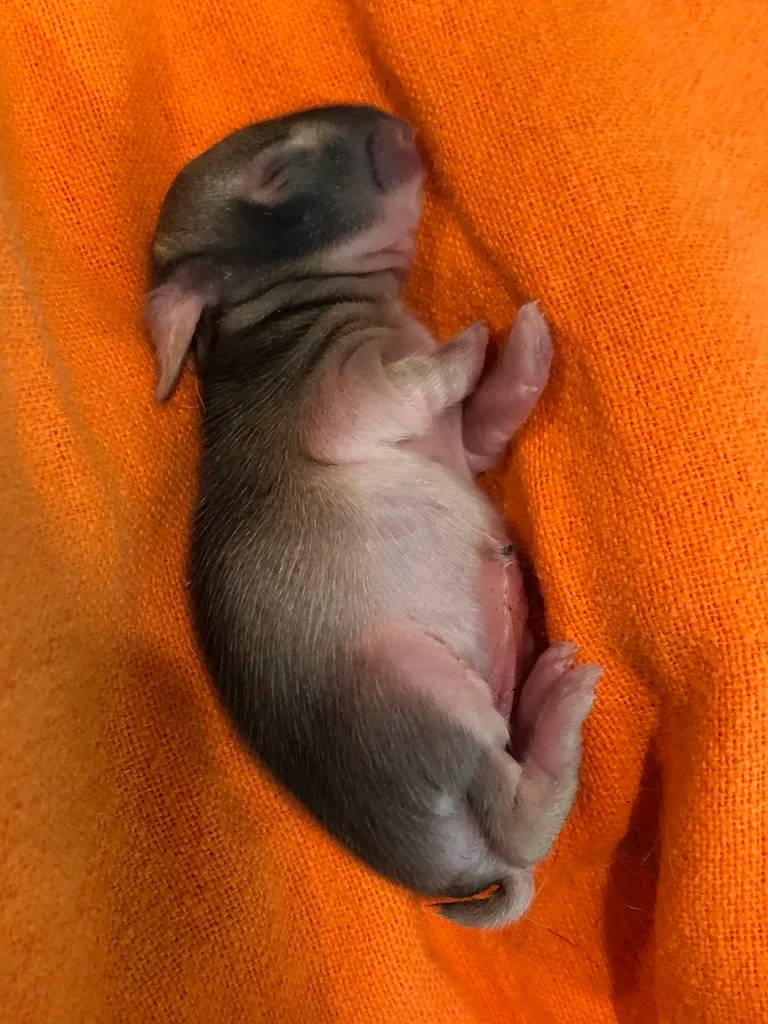
Image source: iNaturalist / mothy (CC BY)
Who Can Help and How to Find Them
Finding a qualified rehabilitator is crucial. Not all animal rescuers are equipped or licensed to handle wild animals, especially young ones.
- State Wildlife Agency: Your state's Department of Fish and Wildlife or equivalent agency is the primary resource for finding licensed rehabilitators in your area. They maintain lists of permitted individuals and centers.
- Local Animal Shelters/Rescues: Many shelters can provide contact information for local wildlife rehabilitators, even if they don't handle wild animals themselves.
- Online Directories: Several national organizations also maintain databases of rehabilitators. Look for those affiliated with reputable wildlife conservation groups.
- Veterinary Clinics: While most vets don't treat wildlife, they can often direct you to a local rehabilitator.
Remember, these individuals volunteer their time and resources. Be prepared to provide clear, detailed information about the animal's condition and where you found it.
Legal and Ethical Walls: Possessing Wild Animals
It’s important to understand that in most places, it is illegal to keep a wild animal, even a young one, without the proper permits. This isn't just to prevent people from hoarding wildlife; it's a system designed to ensure animals receive the correct care and have the best chance at a life in the wild. The regulations are in place for the animal's welfare and for public safety.
Understanding the Laws and Why They Exist
These laws vary significantly by state and locality, but the general principle remains: wild animals belong in the wild. Possession of native wildlife without proper authorization can result in fines or other penalties.
- Permitting is Key: Only individuals or facilities holding specific wildlife rehabilitation permits from state and federal agencies are legally allowed to capture, care for, and in some cases, temporarily house wild animals.
- Rehabilitation Goals: The ultimate goal of a licensed rehabilitator is to return healthy, self-sufficient animals to their natural environment. This often involves specialized diets matching their species, social integration (or avoidance of human contact), and habituation to natural cues.
- Public Health and Safety: Laws also protect the public from potential zoonotic diseases that wild animals can carry. Unauthorized possession increases the risk of disease transmission and can create unsafe situations.
Trying to keep a wild rabbit as a pet is not only illegal but also detrimental to the rabbit's well-being. Their complex needs cannot be met by typical household conditions.
Common and Dangerous Mistakes When Caring for Wild Rabbit Kits
We've touched on several critical errors, but it's worth reiterating the most common and potentially fatal mistakes people make when attempting to care for newborn wild rabbits. These errors, born from a desire to help, ironically lead to the animal's suffering or death.
What Not To Do To Avoid Harming Them
- Feeding the wrong milk: As mentioned, this is perhaps the biggest mistake, leading to severe digestive issues and an almost guaranteed poor outcome. Never use cow's milk, goat's milk, or standard kitten/puppy milk replacers.
- Over-handling: Excessive handling exposes the kits to human scent, stress, and potential disease transmission. It also disrupts their natural development and can lead to fatal stress.
- Keeping them longer than necessary: Even if you could provide basic care, wild animals need to learn crucial survival skills. Prolonged human contact prevents them from learning to forage, avoid predators, and thrive independently. You can learn more about feline nutrition and care, which shares some basic principles with mammal care, though specific needs vary greatly; for instance, learning what is kibble cat food is useful for domestic pets but irrelevant here.
- Assuming they are alone: Most of the time, a seemingly abandoned nest simply means mom is out foraging. Intervention without proof of abandonment or injury is a disservice.
- Releasing them too soon or in the wrong place: Improper release timing or location drastically reduces survival chances. This is why rehabilitation and release are complex processes managed by professionals.
What to Expect When You Contact a Wildlife Rehabilitator
When you reach out to a licensed wildlife rehabilitator, understand that they are often inundated with calls, especially during spring and summer. Your interaction with them will likely be structured and focused on gathering essential information efficiently. They are gatekeepers of expertise, ensuring that only animals truly in need receive specialized care.
The Intake Process and Information Needed
A rehabilitator will guide you through a series of questions to assess the situation. This helps them determine if the animal requires intervention and what the best course of action is.
- Detailed Description: Be ready to describe the animal's species, approximate age (based on size and development), observed injuries, behavior, and the exact location where it was found.
- Assessment of Your Findings: They will likely ask about your observations regarding the mother's presence, the condition of the nest, and any signs of distress you noted.
- Instructions for Immediate Care (if any): If they deem it necessary, they might provide very specific, short-term instructions for holding the animal warm until you can transport it, but this is typically limited to preventing immediate death from hypothermia or shock.
- Coordination of Drop-off: You will likely be asked to bring the animal to a designated drop-off point or directly to the rehabilitator's facility as soon as possible. This is critical for initiating appropriate care without delay.
Remember, they are professionals trained in the specific needs of wild animals. Trust their guidance and understand their role is to give the animal the best chance at a wild existence.
The Long Road to Release: Rehabilitation and Habituation
If a newborn wild rabbit is accepted by a wildlife rehabilitator, its journey is just beginning. The process of rehabilitation is intensive, often involving round-the-clock care for very young animals and aimed at preparing them for a successful return to their natural environment. This is far more complex than simply feeding them until they grow up.
Preparing for Life in the Wild
Rehabilitators work to ensure the young rabbit develops physically and behaviorally to survive independently. This involves several key stages:
- Nurturing and Nutrition: This includes providing the correct formula at the precise intervals and temperatures, along with essential stimulation for elimination, as we've discussed. As the kits grow, the diet gradually shifts to species-appropriate solid foods.
- Medical Care: Injured animals receive veterinary treatment, wound care, and medication as needed. Disease prevention through hygiene and proper nutrition is also a major focus.
- Behavioral Conditioning: Rehabilitators minimize human contact to prevent imprinting and encourage natural behaviors. For example, they might introduce appropriate food sources gradually and ensure the animal is exposed to natural sounds and sights to prepare it for its future environment.
- Release Planning: The decision to release is based on the animal's health, age, and ability to forage, escape predators, and survive. The release site is chosen carefully to provide adequate food, water, and shelter, and to minimize human disturbance.
This intensive process highlights why DIY attempts are so ill-suited for wild animals. The level of expertise, ethical considerations, and resource commitment are substantial.