What Food Do Cats Love the Most 2026: Everything You Need
Figuring out what food your cat genuinely loves most isn’t just about satisfying their taste buds; it’s deeply tied to their health and well-being. Cats often show a preference for foods that mimic their natural prey, a trait that influences everything from aroma to texture. Understanding these feline quirks is key to choosing a diet that will have them purring their approval.
Our research indicates that while a specific formula might not exist, certain food categories and ingredient profiles consistently rank high in feline preference. As of 2026, a cat’s ideal meal often prioritizes high moisture content and readily digestible animal protein, aligning with their evolutionary dietary needs. Let’s explore the factors that make a food a true hit.
Quick Answer
Cats often love wet food the most because of its high moisture content and rich aroma. Protein-rich ingredients like chicken, turkey, and fish are particularly enticing. Texture, whether pate or chunks in gravy, also plays a significant role in a cat’s preference.
Offering a balanced, high-quality diet that appeals to these senses is crucial for a happy, healthy feline.
Wet Food vs. Dry Food: The Big Picture for Your Cat’s Plate
When we talk about what cats love, the wet food versus dry food debate is often the first major fork in the road. Both have their strong suits, but our research consistently shows a leaning towards wet food for sheer feline enthusiasm.
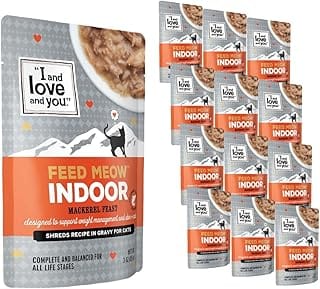
Wet food boasts a higher moisture content, typically around 70-80%, which is incredibly appealing to cats. Think about their natural prey, it’s moist. This hydration is also a huge win for their urinary tract health, helping to prevent issues like kidney stones and infections.
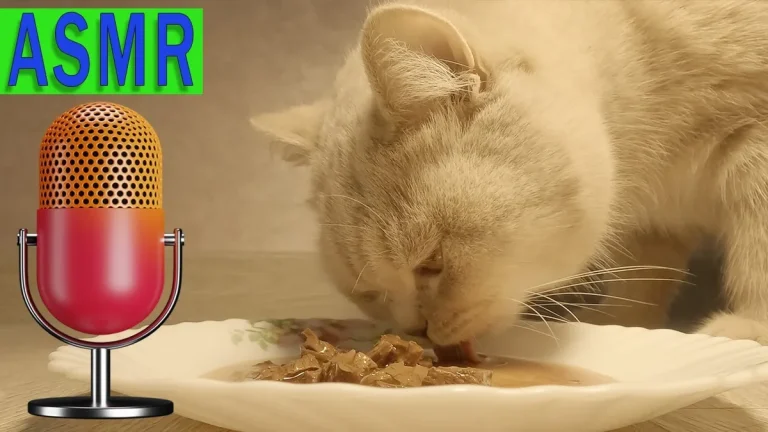
Many cats find the aroma and softer texture of wet food more palatable, making mealtime a more eager affair.
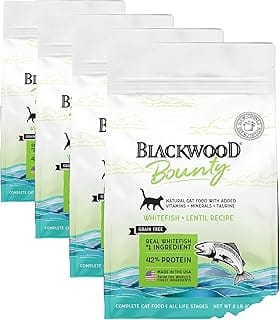
Dry food, or kibble, is certainly convenient. It’s easy to store, perfect for free-feeding, and the crunch can offer some dental benefits by helping to scrape away plaque. However, the lower moisture content (usually 10% or less) means you’ll need to be extra diligent about your cat’s water intake.
While some cats are perfectly happy with kibble, many will show a more pronounced excitement for a bowl of wet food. If you’re curious about what kibble food actually is, check out What Is Kibble Cat Food.
Beyond Texture: Unpacking Cat Food Flavors and Ingredients
It’s not just if it’s wet or dry; the specific flavors and ingredients inside that food are huge drivers of what your cat will truly desire. As obligate carnivores, cats have specific nutritional requirements that also influence their palates.
Protein Powerhouses Cats Can’t Resist
Cats need meat, plain and simple. Their bodies are designed to process animal-based proteins efficiently. You’ll find that most cats go wild for foods that list a recognizable meat source as the very first ingredient.
Think chicken, turkey, beef, and lamb. These offer a complete amino acid profile that’s essential for their health and that they instinctively recognize as good food.
The “Fish Factor”: A Feline Favorite with Caveats
Fish is a flavor that many cats absolutely adore. Tuna, salmon, and sardine scents can be incredibly enticing, often leading to vocal excitement at feeding time. However, while they love the taste, relying solely on fish-based diets isn’t always the best long-term strategy.
Some fish can contain high levels of mercury, and consistently feeding only fish can lead to other nutritional imbalances, like thiamine deficiency if the fish isn’t properly prepared or supplemented. Moderation and variety are key, even with such a popular flavor.
What Makes a Cat Food Irresistible? Key Factors
So, we’ve covered the basics of wet vs. dry and the importance of protein. But what else tips the scales from “okay” to “absolutely marvelous” in your cat’s eyes? It boils down to a few sensory and nutritional cues that tap directly into their feline instincts.
The Crucial Role of Aroma in Cat Food Choice
If a food doesn’t smell appealing, it won’t even make it to the taste test for most cats. Their sense of smell is incredibly acute, far more so than ours. Manufacturer specifications often highlight the use of strong, meaty aromas precisely because this is a primary way cats identify safe and desirable food.
A rich, savory scent is a direct invitation to eat.
Image source: iNaturalist / Bobby McCabe (CC BY)
Why Quality Ingredients Matter for Palatability
Just as we might notice a difference in taste between a home-cooked meal and a highly processed one, cats can often tell the difference in ingredient quality. Foods made with high-quality animal proteins, digestible fats, and fewer fillers like corn or excessive grains tend to be more appealing. When manufacturers use whole, recognizable ingredients, it often translates to a richer, more satisfying flavor profile that cats instinctively seek out.
This is why understanding the ingredient list is so important for choosing a food your cat will not only eat but thrive on.
How to Discover Your Cat’s Top Food Pick
Finding out precisely what your individual cat loves most is an ongoing process, but it’s one of the most rewarding parts of being a cat owner. It involves a bit of observation, a dash of patience, and a commitment to quality.
Introducing New Cat Foods: A Step-by-Step Guide
Switching cat food suddenly can lead to digestive upset. Veterinarians generally recommend a gradual transition over 7-10 days.
- Day 1-2: Offer 25% new food mixed with 75% old food.
- Day 3-4: Increase to 50% new food and 50% old food.
- Day 5-6: Move to 75% new food and 25% old food.
- Day 7+: Offer 100% new food.
Always monitor your cat for any signs of stomach upset, like vomiting or diarrhea, during this transition. If issues arise, slow the process down or revert to their previous diet for a bit. For information on how long canned food lasts once opened, which impacts freshness and palatability, you can read How Long Does Canned Cat Food Last Once Opened.
Reading Your Cat’s Cues: What Their Behavior Tells You
Your cat will tell you pretty clearly what they think of their food. Watch for these signs:
- Enthusiastic Eating: If they rush to the bowl, eat quickly, and lick it clean, that’s a good sign they love it.
- Eager Anticipation: Do they follow you into the kitchen or meow insistently when it’s mealtime?
- Clean Bowls: A truly loved food means a clean bowl every time.
- Ignoring Food: If they sniff, walk away, or only pick at their food, they’re likely not a fan.
- Body Language: A happy eater might purr during the meal or show contentment afterward.
Common Cat Food Pitfalls to Avoid
Navigating the world of cat food can sometimes lead to a few common missteps that might frustrate you and your feline companion. Avoiding these pitfalls can save you time, money, and a whole lot of wasted food.
Dealing with Picky Eaters: Strategies That Work
Picky eating is probably the most common frustration for cat owners. If your cat turns up their nose at everything, remember that consistency with quality is key. Start with a high-quality, single-protein source food and stick with it for a while to let them get used to it.
Some cats prefer pâté textures, while others crave chunky bits in gravy; experimenting with different textures of high-quality foods can help. If you’re looking for the best food for younger cats, you might explore Best Cat Food For 6 Month Old Kitten.
When to Consult a Vet About Your Cat’s Diet
If your cat is consistently refusing food, losing weight, or showing signs of illness (lethargy, vomiting, diarrhea), it’s time to consult your veterinarian. Sometimes, a disinterest in food can signal an underlying health issue, not just a preference. For example, Best Cat Food For Anemic Cats discusses specific dietary needs for health conditions.
Your vet can help rule out medical problems and provide tailored dietary recommendations based on your cat’s specific health status and needs.
Common Cat Food Pitfalls to Avoid
Dealing with Picky Eaters: Strategies That Work
Picky eating is probably the most common frustration for cat owners. If your cat turns up their nose at everything, remember that consistency with quality is key. Start with a high-quality, single-protein source food and stick with it for a while to let them get used to it.
Some cats prefer pâté textures, while others crave chunky bits in gravy; experimenting with different textures of high-quality foods can help. If you’re looking for the best food for younger cats, you might explore Best Cat Food For 6 Month Old Kitten.
When to Consult a Vet About Your Cat’s Diet
If your cat is consistently refusing food, losing weight, or showing signs of illness (lethargy, vomiting, diarrhea), it’s time to consult your veterinarian. Sometimes, a disinterest in food can signal an underlying health issue, not just a preference. For example, Best Cat Food For Anemic Cats discusses specific dietary needs for health conditions.
Your vet can help rule out medical problems and provide tailored dietary recommendations based on your cat’s specific health status and needs.
Introducing New Cat Foods: A Step-by-Step Guide
Switching cat food suddenly can lead to digestive upset. Veterinarians generally recommend a gradual transition over 7-10 days.
- Day 1-2: Offer 25% new food mixed with 75% old food.
- Day 3-4: Increase to 50% new food and 50% old food.
- Day 5-6: Move to 75% new food and 25% old food.
- Day 7+: Offer 100% new food.
Always monitor your cat for any signs of stomach upset, like vomiting or diarrhea, during this transition. If issues arise, slow the process down or revert to their previous diet for a bit. For information on how long canned food lasts once opened, which impacts freshness and palatability, you can read How Long Does Canned Cat Food Last Once Opened.
Reading Your Cat’s Cues: What Their Behavior Tells You
Your cat will tell you pretty clearly what they think of their food. Watch for these signs:
- Enthusiastic Eating: If they rush to the bowl, eat quickly, and lick it clean, that’s a good sign they love it.
- Eager Anticipation: Do they follow you into the kitchen or meow insistently when it’s mealtime?
- Clean Bowls: A truly loved food means a clean bowl every time.
- Ignoring Food: If they sniff, walk away, or only pick at their food, they’re likely not a fan.
- Body Language: A happy eater might purr during the meal or show contentment afterward.
What About Kittens and Older Cats? Dietary Needs Vary
Just like humans, cats have different nutritional needs at different life stages. What a kitten adores might not be the best fit for a senior cat, and vice versa.
Kitten Nutrition: Fueling Growth and Play
Kittens need calorie-dense food with higher levels of protein, fats, and essential nutrients to support rapid growth and high energy levels. Foods formulated for kittens are typically richer and often have smaller kibble sizes or softer textures to accommodate their developing jaws and digestive systems. You can learn more about specific kitten food choices at Best Cat Food For 6 Month Old Kitten.
Senior Cat Needs: Support for Aging Bodies
Older cats may benefit from foods with adjusted protein and calorie levels to prevent muscle loss while managing weight. Added supplements like glucosamine for joint health, or easily digestible ingredients, are often found in senior formulas. Their sense of smell might also diminish, making strongly aromatic wet foods particularly appealing.
Understanding when a cat should transition away from kitten food is also crucial. For a guide on this, see When Should A Cat Stop Eating Kitten Food.
The Role of Treats: High-Value Bites and Training
Treats are more than just a reward; they can be a powerful tool for bonding and training, and they often highlight a cat’s most intense flavor preferences. Many cats go absolutely bonkers for high-value treats, which are typically very palatable and rich in animal protein.
These small bites can be incredibly motivating for training sessions, whether you’re teaching your cat to use a scratching post or come when called. They also serve as a fantastic way to discover specific flavors or textures your cat finds irresistible. If your cat goes wild for a particular salmon-flavored freeze-dried treat, it might indicate a strong preference for that protein and texture profile that could translate to their main meals.
However, treats should be given in moderation. They are supplementary to a balanced diet and should not make up more than 10% of your cat’s daily caloric intake. Too many treats can lead to obesity or displace nutrient-rich meals.
For context on daily needs, understanding How Many Calories In Canned Cat Food can help you balance treats with their primary diet.
Frequently Asked Questions
What is the most popular cat food flavor?
Our research shows that fish flavors, particularly tuna and salmon, are highly popular among cats due to their strong aroma and taste. However, poultry flavors like chicken and turkey are also consistently well-loved and often make up the base of many preferred foods.
Can I switch my cat’s food suddenly?
No, it’s generally not recommended to switch your cat’s food suddenly. A gradual transition over 7-10 days, slowly mixing the new food with the old, helps prevent digestive upset like vomiting or diarrhea.
Does my cat need wet food or dry food?
Both wet and dry food can be part of a healthy diet, but wet food offers superior hydration and is often more palatable to cats due to its moisture content and aroma. Many cats thrive on a mix of both to gain the benefits of each.