Why Do Dogs Have Food Aggression (2026) — Step-by-Step Guide
If you've ever noticed your dog tense up, growl, or even snap when you get near his food bowl, you're likely dealing with canine food aggression. This behavior can be really concerning, but understanding why it happens is the first step to helping your dog feel more secure and less reactive around meal times. It’s a natural instinct that can be managed with the right approach.
Our research shows that resource guarding, which includes food aggression, is a common behavior stemming from a dog's deeply ingrained instincts to protect valuable assets. These instincts, however, don't mean your dog must live with constant anxiety. As of 2026, the consensus among veterinary behaviorists highlights that understanding the root cause is critical for effective, humane management.
Quick Answer
Dogs have food aggression due to instinctual resource guarding, past negative experiences, or underlying health issues. They may protect their food because they historically needed to secure vital resources for survival. Sudden aggression warrants a veterinary check to rule out pain or illness that makes them uncomfortable.
Consistent, positive training focusing on security rather than punishment is key to managing this behavior.
Your Dog, His Food: Why the Possessiveness?
Seeing your furry friend display food aggression can be unsettling, but it's crucial to remember that this isn't inherently "bad" behavior. It’s often rooted in very natural canine instincts driven by survival and security. Dogs, just like their wild ancestors, often view food as a highly valuable resource that needs protection.
When a dog guards its food, it’s a way of communicating discomfort or fear, not necessarily malice towards you.
Think about it from a primal perspective: in the wild, food isn't guaranteed. A wolf or wild dog that doesn't protect its kill or its shared meal might go hungry. This instinct to safeguard provisions is deeply embedded in their DNA.
Even with modern domestic dogs who receive regular meals, this ancient programming can still surface, particularly when they perceive a threat to their immediate sustenance.
Instincts and Survival: The Wild Roots of Guarding
The instinct to guard resources like food is a foundational element of canine survival. In ancestral wolf packs, successful hunting meant a shared meal, but also the potential for competition. Wolves that were more assertive in protecting their share were more likely to get the nutrition they needed, which directly impacted their health and ability to reproduce.
This natural selection favored dogs who were wary of others approaching their food.
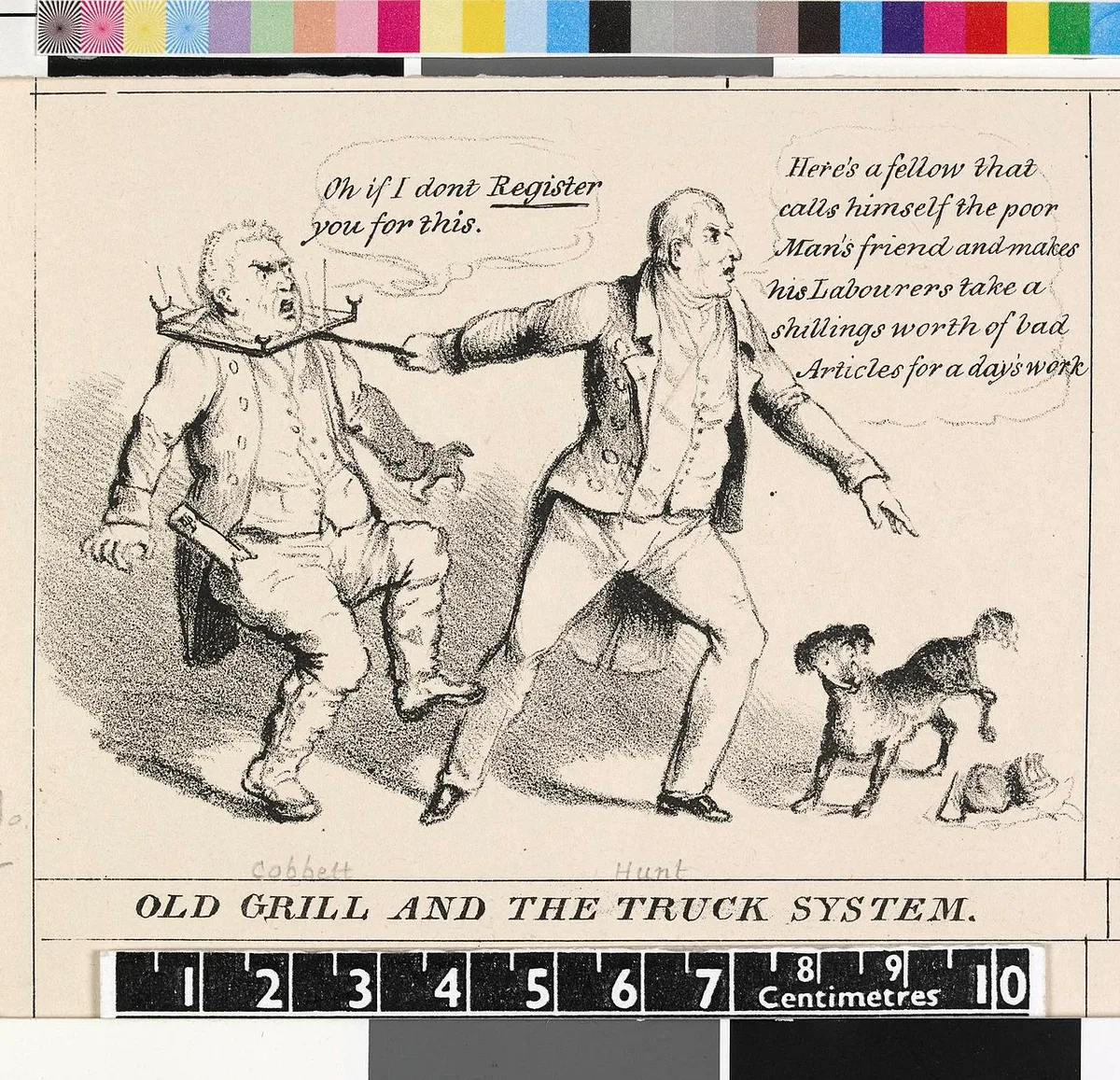
Image source: Wikimedia Commons / Print made by: Robert Seymour Published by: Thomas McLean
This inherent drive to protect valuable items is termed resource guarding. For dogs, food is one of the most instinctually significant resources. Even if your dog has never experienced scarcity, the genetic predisposition to guard food can emerge, especially in certain situations.
It’s a sign of their natural biology at play, not necessarily a reflection of your training or relationship with them.
Past Scares: How Experiences Shape Food Behavior
A dog's personal history plays a massive role in how they behave around food. If a dog has experienced negative events while eating, they can develop a strong association between food and distress or threat. This can lead them to anticipate danger and preemptively guard their food, even if that danger is no longer present.
For instance, a dog that was startled by a sudden loud noise while eating might become wary of similar noises occurring during mealtime in the future. Similarly, if a dog was handled roughly or had its food taken away abruptly by a previous owner or in a stressful shelter environment, they might carry that anxiety forward. They learn that their food can be taken, so they must defend it.
This learned behavior can be deeply ingrained and requires patient work to overcome.
Is It Pain? When Health Issues Trigger Aggression
It's incredibly important to consider that a sudden onset of food aggression might signal an underlying health problem, especially pain. A dog experiencing discomfort in their mouth, teeth, or digestive system might lash out when someone approaches their food because they associate their mealtime with discomfort or being disturbed while in pain.

Image source: Wikimedia Commons / Wikimedia Commons contributor (CC BY)
If your dog has always been calm around food and suddenly starts showing signs of aggression, a trip to the veterinarian is non-negotiable. Conditions like dental disease, gastrointestinal upset, or even arthritis can make a dog feel vulnerable and uncomfortable. When their safe space for eating is approached, their instinct is to push away potential pain triggers.
This is why ruling out medical causes must be the absolute first step.
Your Dog, His Food: Why the Possessiveness?
The possessiveness your dog shows around food is a manifestation of what's known as resource guarding. This isn't unique to dogs; many animals exhibit similar behaviors to protect things they value, like mates, territory, or, most commonly, food. In a dog's eyes, their food bowl is filled with a precious commodity that ensures their survival and well-being.
When a dog guards its food, it's communicating a clear message: "This is mine, and I don't want you to take it." This can be expressed through a range of subtle to overt signals. These signals might include freezing, intense staring, low growls, stiffening of the body, or even snapping and biting attempts if the perceived threat escalates. Understanding these communication cues is vital for effective management.
The intensity of guarding can vary significantly, from mild to severe.
Instincts and Survival: The Wild Roots of Guarding
The instinct to guard resources like food is a foundational element of canine survival. In ancestral wolf packs, successful hunting meant a shared meal, but also the potential for competition. Wolves that were more assertive in protecting their share were more likely to get the nutrition they needed, which directly impacted their health and ability to reproduce.
This natural selection favored dogs who were wary of others approaching their food.
Image source: Wikimedia Commons / Print made by: Robert Seymour Published by: Thomas McLean
This inherent drive to protect valuable items is termed resource guarding. For dogs, food is one of the most instinctually significant resources. Even if your dog has never experienced scarcity, the genetic predisposition to guard food can emerge, especially in certain situations.
It’s a sign of their natural biology at play, not necessarily a reflection of your training or relationship with them.
Past Scares: How Experiences Shape Food Behavior
A dog's personal history plays a massive role in how they behave around food. If a dog has experienced negative events while eating, they can develop a strong association between food and distress or threat. This can lead them to anticipate danger and preemptively guard their food, even if that danger is no longer present.
For instance, a dog that was startled by a sudden loud noise while eating might become wary of similar noises occurring during mealtime in the future. Similarly, if a dog was handled roughly or had its food taken away abruptly by a previous owner or in a stressful shelter environment, they might carry that anxiety forward. They learn that their food can be taken, so they must defend it.
This learned behavior can be deeply ingrained and requires patient work to overcome.
Is It Pain? When Health Issues Trigger Aggression
It's incredibly important to consider that a sudden onset of food aggression might signal an underlying health problem, especially pain. A dog experiencing discomfort in their mouth, teeth, or digestive system might lash out when someone approaches their food because they associate their mealtime with discomfort or being disturbed while in pain.
Image source: Wikimedia Commons / Wikimedia Commons contributor (CC BY)
If your dog has always been calm around food and suddenly starts showing signs of aggression, a trip to the veterinarian is non-negotiable. Conditions like dental disease, gastrointestinal upset, or even arthritis can make a dog feel vulnerable and uncomfortable. When their safe space for eating is approached, their instinct is to push away potential pain triggers.
This is why ruling out medical causes must be the absolute first step.
Spotting the Signs: What Food Aggression Looks Like
Recognizing the early signs of food aggression is key to intervening before it escalates. These behaviors can range from subtle to very obvious and are your dog's way of saying, "Back off, this is mine." Paying close attention to your dog's body language during meal times is crucial.
Here’s a breakdown of common indicators:
Subtle Signals:
- Stiffening of the body when you approach the bowl.
- A tight-lipped expression or lowering of the head over the food.
- Slowing down eating or looking up at you while chewing.
- Eyes widen, showing more of the whites (whale eye).
Moderate Signals:
- A low, rumbling growl.
- Snellexposing teeth without touching.
- A hard stare directed at you.
- Moving away with the food.
Severe Signals:
- Lunging or snapping at your hand or body.
- Actual biting attempts.
- Aggressive barking or lunging at anyone approaching.
If you notice any of these, especially the more intense signals, it’s a clear indication that your dog feels threatened around their food. It’s important to back away calmly and avoid pushing the situation further at that moment. These are their alarm bells.
Helping Your Dog Feel Secure: Practical Steps to Take
Once you've ruled out medical issues and understand the behavioral roots, you can start implementing strategies to help your dog feel more secure about their food. The goal isn't to get your dog to share their food, but to feel confident that you won't take it away and that they can eat peacefully. This builds trust and reduces their need to guard.
It's important to approach this process with patience and consistency. Never punish a dog for showing signs of food aggression, as this can make them more fearful and worsen the problem. Instead, focus on positive reinforcement and building a positive association with your presence during meal times.
Creating a Calm Chow Zone
Establish a dedicated, quiet space where your dog can eat without distractions. This means no other pets hovering, no loud noises, and no children or people walking by the dining area. This safe zone helps your dog relax and focus on their meal, reducing the perceived need to guard.
A crate or a separate room can be ideal for this purpose.
The environment itself plays a huge role in a dog’s state of mind. A chaotic mealtime environment can heighten anxiety, making a dog more prone to guarding. A consistently calm and predictable feeding routine signals safety and stability to your dog.
The "Trading Up" Technique: Good Things Happen When I Approach
This is a highly effective method for changing your dog’s perception of your approach during meal times. While your dog is eating, calmly walk by and drop a very high-value treat (something your dog absolutely loves, like small pieces of cooked chicken, cheese, or special dog treats) into his bowl. Don't reach in, don't interrupt their eating, just drop it in.
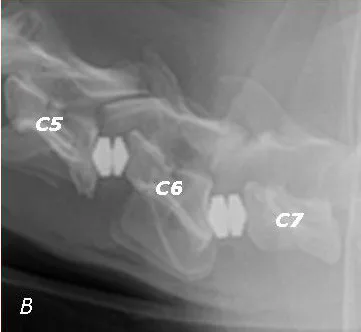
Image source: Wikimedia Commons / Filippo Adamo (CC BY-SA)
The idea is for your dog to learn that when you approach their food bowl, something even better than their current meal appears. Over time, they start associating your presence with positive rewards, rather than a threat. Initially, you might do this several times during a meal.
As your dog becomes more comfortable, you can gradually reduce the frequency. Your dog begins to associate your step towards the bowl with a positive outcome, reducing their need to be defensive.
Building Positive Associations with Food Time
Beyond the "trading up" technique, actively create positive experiences around food. This could involve talking to your dog in a calm, friendly voice as they eat, or placing their bowl down for them in a loving way. The aim is to associate your presence and actions with good things related to their food.
If your dog is particularly anxious, you might start by simply being in the same room while they eat, and gradually moving closer over many sessions, always rewarding calm behavior. This process, known as desensitization, helps your dog become less sensitive to your presence during meal times. It’s about slowly reshaping their emotional response from fear or anxiety to neutrality or even anticipation of a pleasant interaction.
This methodical approach is a cornerstone of positive reinforcement dog training.
When to Call in the Experts: Vet and Behaviorist Advice
While many cases of mild food aggression can be managed with consistent training at home, there are times when professional intervention is not just recommended, but essential. If you're feeling overwhelmed, unsure, or if the aggression is severe, calling in the experts is the safest and most effective path forward. They have the experience and knowledge to accurately assess the situation and create a tailored plan.
Remember, your safety and the safety of others are paramount. It's better to seek help than to risk a bite or further escalation of the behavior. Professional guidance ensures a humane and effective approach that both addresses the immediate concerns and works towards a long-term solution for your dog's well-being.
Recognizing Red Flags: When to See Your Vet Immediately
The most critical red flag signaling a need for immediate veterinary attention is a sudden change in your dog's behavior. If a dog who was previously amiable around food suddenly starts showing aggression, it almost always points to an underlying medical issue. This could be anything from a toothache to gastrointestinal pain or even a neurological problem.
For example, if your dog typically eats without issue but begins to growl or snap when approached, and this behavior is new and persistent, do not attempt to train it away yourself. Your veterinarian will conduct a thorough physical examination, potentially including dental checks and diagnostic tests, to identify any pain, illness, or injury contributing to the aggression. Addressing the health problem is the priority before any behavioral modification can be effectively implemented.
This is a critical step before you consider anything related to their diet, such as exploring best cat food for cats with hyperthyroidism or other dietary needs.
Working with a Professional Behaviorist
If medical causes are ruled out or have been addressed, and food aggression persists, consulting with a qualified professional dog behaviorist or a veterinary behaviorist is the next crucial step. These professionals are trained to diagnose behavioral issues and develop safe, evidence-based training plans. They can assess the severity and specific triggers of your dog's guarding behavior.
A behaviorist will observe your dog directly, gather detailed history from you, and may implement specialized training techniques. They can identify subtle nuances in your dog's body language that you might miss, and they know when it's appropriate to use tools like counter-conditioning or desensitization. Their expertise is invaluable in ensuring progress and preventing setbacks.
For instance, they can guide you on how to manage feeding in a home with multiple pets, ensuring a better outcome than simply trying to manage it yourself.
Safety First: Avoiding Bites and Managing Risk
When dealing with food aggression, safety for both you and your dog is the absolute top priority. The potential for a bite is real, and it's crucial to implement strategies that minimize risk. This means understanding your dog's body language and respecting their signals.
Never force interactions or try to push your dog's boundaries aggressively.
If your dog exhibits aggressive behaviors such as lunging, snapping, or biting, it's vital to create a safe distance. Avoid reaching into their bowl entirely. Instead, focus on management techniques that prevent such interactions from occurring in the first place.
This might involve feeding your dog in a separate, secure area where they won't be disturbed.
What If My Dog Does Bite?
If a bite, even a minor one, occurs, it's important to stay as calm as possible. Clean any wounds thoroughly and seek medical attention if necessary. For the dog's safety and the safety of others, you will likely need to consult with a professional behaviorist immediately to implement a robust safety and management plan.
This incident may also require reporting to local animal control authorities depending on your area's regulations.
Living with a Less Grumpy Eater: Long-Term Peace of Mind
Managing food aggression is an ongoing process, not a quick fix. The goal is to build a foundation of trust and security so your dog no longer feels the need to guard their food. This means consistently applying positive reinforcement techniques and maintaining a safe, predictable environment around meal times.
Over time, with consistent effort, you should see a reduction in guarding behaviors. Your dog will become more relaxed and confident during meals, and the tension around the food bowl will lessen. This creates a more harmonious living situation for everyone involved.
It's about fostering a relationship based on understanding and mutual respect.
Consistent Management is Key
Maintaining consistency is probably the most important factor in the long run. Any lapse in managing the environment or practicing the established training techniques can allow old habits to resurface. For example, if you have multiple pets, consider feeding them in separate areas or using designated spaces to prevent accidental resource guarding between them, similar to how one might manage different dietary needs, like ensuring best dry cat food for cats with no teeth is an option for a senior feline.
When to Re-evaluate and Seek Further Help
If you have concerns about your dog's progress, or if the aggression seems to be worsening despite your efforts, don't hesitate to reach back out to your veterinarian or a certified applied animal behaviorist. They can reassess the situation and adjust the training plan. Sometimes, a dog may require specialized interventions, or a new underlying issue could have emerged that needs attention.
Frequently Asked Questions
Is food aggression a sign of dominance?
While once thought to be a dominance issue, canine food aggression is now widely understood by behaviorists to be a form of resource guarding driven by insecurity, fear, or instinct, rather than a desire to dominate. Dominance theory has largely been discredited in modern canine behavior science.
Can puppies develop food aggression?
Yes, puppies can exhibit early signs of food aggression. It's important to start positive socialization and gentle handling around food from a young age to build good associations. Early intervention can prevent deeply ingrained guarding behaviors from developing.
How long does it take to resolve food aggression?
The timeline varies greatly depending on the dog, the severity of the aggression, and the consistency of training. Some dogs show improvement in a few weeks, while for others, it can take many months of dedicated work. Patience and consistency are paramount.
Should I punish my dog for growling at me over food?
No, punishing a dog for growling can be counterproductive and dangerous. A growl is a warning signal; punishing it can cause the dog to suppress the growl and escalate directly to biting. Instead, back away calmly and address the underlying cause.
Can multiple pets coexist peacefully if one has food aggression?
It is possible with careful management and training. The key is to prevent interactions that trigger guarding by feeding pets separately, using barriers, and working on individual training to build confidence and reduce insecurity. This requires a proactive approach to management.