What Dry Cat Food Do Vets Recommend 2026: Step-by-Step Guide
When you’re trying to figure out what dry cat food is best for your furball, the sheer number of choices can be overwhelming. You want to feed your cat the highest quality food, and in many cases, that means understanding what veterinary professionals suggest. Veterinarian recommendations are often based on extensive research and a deep understanding of feline nutrition and health needs, going beyond simple marketing claims.
Our research indicates that vets focus on specific nutritional profiles and ingredient quality when making their recommendations. They often point to foods that meet or exceed standards set by organizations like the Association of American Feed Control Officials (AAFCO), which ensures a food is complete and balanced for its intended life stage. Understanding these veterinarian-backed standards can help you make a more informed choice for your cat’s health and well-being, paving the way for a happier, healthier companion.
Quick Answer
Vets tend to recommend dry cat foods that are high in quality protein and have limited, recognizable ingredients. They prioritize brands with strong scientific backing and transparency about their nutritional content. Therapeutics diets are often prescribed for specific health issues.
Always consult your veterinarian for personalized food recommendations for your cat.
Why Vet Recommendations Matter for Your Cat’s Dry Food
When it comes to feeding your cat, especially with dry kibble, a veterinarian’s recommendation carries significant weight. That’s because these professionals have a unique vantage point; they see how different diets affect cats day in and day out, not just in controlled environments. Their advice is grounded in years of observation, scientific literature, and a deep understanding of feline physiology.
Unlike a catchy advertisement or a trending influencer’s pick, veterinary guidance stems from a commitment to your cat’s long-term health and well-being. They evaluate foods based on crucial factors like ingredient sourcing, nutrient bioavailability, and the absence of common allergens or harmful additives. This clinical perspective is vital because what looks good on a package doesn’t always translate to optimal health for your specific pet, where issues like best cat food for anemic cats might require a specialized approach.
The Vet’s Checklist: What Makes a Dry Cat Food “Recommended”
Veterinarians aren’t just looking at fancy packaging; they’re scrutinizing the contents and the science behind the food. Their recommendations for dry cat food boil down to a few key areas that ensure your feline friend gets the nutrition they need to thrive.
Key Nutritional Building Blocks Vets Look For
Vets examine dry cat food for specific nutrient profiles that align with a cat’s carnivorous nature and life stage. This means ensuring a high percentage of quality protein, moderate fat, and controlled carbohydrates. For instance, according to many manufacturer specifications, high-quality adult dry foods often contain between 30-45% protein.
- Protein Source: They prefer identifiable animal-based proteins like chicken, turkey, or fish as the primary ingredients.
- Fat Content: Essential for energy and nutrient absorption, fats (often from animal sources or fish oil) are crucial.
- Carbohydrate Levels: Cats have limited needs for carbohydrates, so vets often favor foods with lower carb counts to support stable blood sugar.
- Essential Nutrients: This includes vitamins, minerals, and amino acids like taurine, which is vital for heart health and vision in cats.
Ingredients: What’s In and What’s Out
The ingredient list tells a story, and vets are adept at reading it. They focus on whole, recognizable ingredients and steer clear of vague terms or excessive fillers. Foods with limited ingredients are often recommended for cats with sensitivities.
This approach is important for preventing issues that might require dietary intervention, similar to understanding whats the healthiest dry cat food.
- Prioritize: Whole meats, specific protein meals (like chicken meal), beneficial fats, and select vegetables or fruits.
- Avoid: Generic “meat by-products” if unspecified, artificial colors, flavors, and preservatives, and excessive fillers like corn, wheat, and soy for many cats.
Specialized Formulas: When Specific Needs Arise
Beyond general nutrition, vets often recommend specific formulas for cats facing particular health challenges. These are known as therapeutic or prescription diets and are scientifically formulated to manage or support conditions. For example, cats struggling with urinary issues may need a specialized diet to help regulate mineral levels and urine pH.
Many of these diets are produced by major pet food companies with dedicated veterinary research divisions.
- Urinary Health: Formulated to help manage mineral balance and urine pH.
- Digestive Care: Often include prebiotics, probiotics, and highly digestible ingredients.
- Weight Management: Lower in calories and fat, with added fiber to promote satiety.
- Kidney Support: Controlled levels of phosphorus and protein tailored for renal health.
- Allergy Management: Feature novel proteins or hydrolyzed proteins to reduce allergic reactions.
Common Dry Cat Food Problems Vets See
Veterinarians consistently encounter certain issues stemming from inappropriate or low-quality dry cat food. Many of these problems are preventable with careful food selection. Understanding these common pitfalls can help you avoid them and ensure your cat receives a diet that supports their health rather than undermining it.
One of the most frequent issues vets observe is urinary tract disease, often linked to dry foods with mineral imbalances or those that don’t encourage adequate hydration. Because dry kibble has a very low moisture content compared to wet food, cats eating it exclusively might not drink enough water to dilute their urine. This can lead to an increased risk of crystal formation and blockages, particularly in male cats.
Another significant concern is feline obesity. Many dry foods are calorie-dense and palatable, making it easy for cats to overeat, especially if portion sizes aren’t carefully managed. Obesity in cats is tied to numerous health problems, including diabetes, arthritis, and heart disease.
Vets often stress the importance of feeding an age-appropriate diet, like understanding best cat food for 6 month old kitten, as kittens have different nutritional demands than adult cats.
Digestive upset, including vomiting and diarrhea, is also commonly seen. This can result from ingredients the cat can’t tolerate, poor digestibility, or sudden changes in diet. Vets frequently recommend gradual transitions to new foods and look for easily digestible ingredients or specific fiber blends when recommending foods for sensitive stomachs.
If your cat experiences persistent digestive issues, your vet will likely recommend a therapeutic diet designed to calm the gastrointestinal tract and improve nutrient absorption.
Top Dry Cat Food Categories Vets Consider
When discussing dry cat food, vets often categorize recommendations into two main groups: those for general, everyday health and those specifically designed for medical management. These categories help owners understand the purpose and suitability of different food types for their feline companions.
General Health & Wellness Formulas
These are the dry foods veterinarians might recommend for cats with no specific diagnosed health conditions. The focus here is on providing balanced nutrition to support a healthy immune system, good skin and coat condition, and optimal energy levels. These formulas are designed to be complete and balanced according to AAFCO standards for a specific life stage, such as kitten, adult, or senior.
They aim to provide a solid nutritional foundation to prevent future health issues for healthy pets. Many brands offer these general health lines, and vets might recommend based on ingredient quality, protein source, and overall bioavailability of nutrients.
Prescription & Therapeutic Diets (For Specific Health Issues)
This is where veterinarian recommendations become critical, as these diets are specifically formulated to manage or treat a diagnosed medical condition. Unlike over-the-counter foods, prescription diets are scientifically developed and rigorously tested to address complex issues like kidney disease, urinary tract issues, diabetes, gastrointestinal disorders, or severe allergies. Their ingredient profiles, nutrient levels, and specific therapeutic compounds are precisely calibrated and are only available through veterinary prescription.
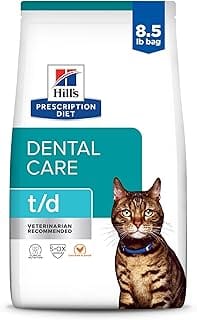
For example, Hill’s Prescription Diet, Royal Canin Veterinary Diet, and Purina Pro Plan Veterinary Diets each offer extensive lines of these specialized foods, backed by extensive research and clinical trials. If your cat has a diagnosed condition, following your vet’s guidance on these diets is crucial for their management and quality of life.
When to Specifically Look for Vet-Recommended Food
Most cat owners aim to feed their pets the best possible diet, but there are specific times when seeking a veterinarian’s recommendation for dry cat food moves from a good idea to an absolute necessity. This is especially true when your cat’s health is concerned, or when you’re navigating particularly complex nutritional needs. Vet-backed advice ensures you’re choosing a food that directly addresses your cat’s specific situation.
Identifying Signs Your Cat Needs More Than Just Any Kibble
You know your cat best, and subtle changes in their behavior or physical state can be early indicators that their current food might not be ideal. If you notice any of the following, it’s a good signal to have a conversation with your vet about their diet:
- Changes in Urination or Defecation: Increased thirst, frequent urination, straining to urinate, urinating outside the litter box, or persistent diarrhea or constipation.
- Skin and Coat Issues: Excessive shedding, dull coat, dry skin, itchiness, or recurrent skin infections.
- Weight Changes: Unexplained weight gain or loss, despite seemingly normal eating habits.
- Lethargy or Decreased Activity: A noticeable dip in playful energy or general enthusiasm.
- Vomiting: Frequent or persistent vomiting, especially if it contains undigested food or bile.
These signs could point to underlying health issues that a standard, over-the-counter dry cat food may not be equipped to handle or could even exacerbate. For instance, persistent vomiting could signal a gastrointestinal sensitivity that requires a highly digestible, limited-ingredient diet.
Dry Food for Common Feline Health Challenges
Many cats develop specific health conditions as they age or due to genetic predispositions. Vets often have a go-to list of therapeutic dry foods that can significantly improve a cat’s quality of life and help manage these ailments. These foods are not just about providing calories; they contain targeted nutrients to support the body’s systems.
For cats struggling with renal function, for example, specific veterinary diets control phosphorus and protein levels to reduce the workload on the kidneys, as detailed in many manufacturer technical sheets for these specialized products.
Here are a few common feline health challenges where veterinary-recommended dry food is particularly important:
- Kidney Disease: Vets often prescribe diets with controlled phosphorus, reduced protein of high biological value, and added omega-3 fatty acids to support kidney function.
- Urinary Tract Issues (e.g., FLUTD, crystals): These foods help control mineral content (like magnesium and calcium) and influence urine pH to prevent crystal formation. They also often aim to increase water intake.
- Diabetes Mellitus: Diabetic diets are typically lower in carbohydrates and higher in protein and fat, designed to help manage blood glucose levels.
- Food Allergies/Sensitivities: Vets may recommend hypoallergenic diets, often featuring novel protein sources (like duck or venison) or hydrolyzed proteins, to identify and avoid specific allergens.
- Gastrointestinal Disorders: These diets are formulated for easy digestion, often incorporating prebiotics, probiotics, and specific fiber types to support gut health and nutrient absorption.
If your cat is showing any of these symptoms, a trip to the vet is the first step. They can perform diagnostics to pinpoint the issue and then recommend the most appropriate therapeutic dry food, which is often a key component of managing these conditions long-term. This also ties into understanding how to make cat food from scratch if you are considering homemade options, though veterinary guidance would be paramount there too.
What to Ask Your Vet About Dry Cat Food
Taking a proactive approach to your cat’s diet means having an informed conversation with your veterinarian. Don’t hesitate to ask specific questions about dry cat food; your vet is your best resource for personalized advice. Your questions should aim to understand not just what food to buy, but why it’s recommended and how it fits into your cat’s overall health plan.
When you visit, be prepared to discuss your cat’s current eating habits, any observed health changes, and your budget. This information helps your vet make the most accurate recommendation. Remember, they see many cats with various conditions and have access to research and product information that isn’t readily available to the public.
For example, understanding caloric intake is crucial, so asking about how many calories in canned cat food can be part of a broader discussion about diet and weight management.
Here’s a checklist of questions you can ask your vet about dry cat food:
- What specific dry food brand and formula do you recommend for my cat’s current health status and age? This is the most direct question, but be ready to provide details about your cat.
- What are the primary ingredients you look for in a high-quality dry cat food? Understanding their criteria helps you evaluate other options.
- Are there any ingredients or types of fillers (like corn, wheat, or soy) that you recommend avoiding for most cats, or for my specific cat? This helps you screen foods independently.
- If my cat has [mention specific condition, e.g., a sensitive stomach], what specific nutritional components should I look for in a dry food? Vets can guide you on protein digestibility, fiber types, or mineral content.
- What is the appropriate portion size for this recommended food, given my cat’s weight and activity level? Proper portioning is key to preventing obesity.
- How should I transition my cat to a new dry food if recommended? A gradual transition prevents digestive upset.
- Are there any specific AAFCO statements or nutritional guarantees I should look for on the packaging? This relates to meeting nutritional standards.
- Are there any over-the-counter dry foods that meet a high standard, or is it generally best to stick to prescription or veterinary-exclusive brands for specific needs? This helps clarify the spectrum of recommendations.
Asking these questions empowers you to be an active participant in your cat’s nutritional care. It also ensures you’re getting food that’s tailored to your cat’s individual needs, rather than a generic suggestion that might not be the best fit.
Dry Cat Food Brands Often Seen in Vet Clinics
When you visit a veterinary clinic, you’ll notice that certain brands of dry cat food are consistently available or recommended. These are typically brands with a strong foundation in veterinary science, extensive research and development, and proven track records in managing specific feline health conditions. These are often the brands that produce veterinary therapeutic diets, but they also have high-quality lines for generally healthy cats.
The reason these brands are frequently found in vet clinics is their commitment to scientific validation and nutritional quality. They invest heavily in research, often employing veterinary nutritionists and conducting clinical trials to back their product claims. This scientific approach resonates with veterinarians who prioritize evidence-based recommendations.
Some of the most commonly recognized brands that veterinarians often recommend or provide include:
- Hill’s Prescription Diet & Science Diet: Known for its extensive therapeutic lines and science-backed nutrition for various health needs.
- Royal Canin Veterinary Diet & Royal Canin: A global leader with a strong focus on breed-specific and condition-specific nutrition, backed by significant research.
- Purina Pro Plan Veterinary Diets & Purina Pro Plan (consumer line): Offers both prescription diets for specific illnesses and high-quality consumer lines supported by veterinary research and endorsements.
It’s important to note that even within these brands, there are numerous formulas designed for specific purposes. A vet’s recommendation will likely point to a particular product line and formula within these brands, based on your cat’s individual health needs. This is different from choosing a food like what is kibble cat food in general, where the focus is more on the form factor than specific health benefits.
Mistakes to Avoid When Choosing Dry Cat Food
Even with the best intentions, pet owners can fall into common traps when selecting dry cat food. These missteps can lead to suboptimal health for your feline friend, sometimes even worse than a truly low-quality food. Understanding these errors helps you navigate the crowded market with confidence.
Decoding Label Claims
Many dry cat food bags come laden with appealing marketing terms. Phrases like “natural,” “holistic,” or “human-grade” sound fantastic, but they often lack strict regulatory definitions in pet food. Vets advise looking beyond these buzzwords.
Focus instead on the guaranteed analysis, ingredient list, and AAFCO statements, which provide verifiable nutritional information. As of 2026, regulatory bodies are working to standardize these terms, but vigilance is still key.
The Danger of “Human-Grade” or Trendy Ingredients
While “human-grade” ingredients sound superior, they don’t automatically guarantee a balanced or appropriate diet for cats. Cats have unique nutritional requirements that differ significantly from humans, requiring specific levels of protein, taurine, and certain fatty acids. For instance, foods high in plant-based proteins might not provide the essential amino acids a cat needs.
Similarly, trendy ingredients like exotic meats or specific superfoods might be marketed heavily, but their benefit for a cat’s long-term health may not be scientifically proven, unlike established nutrients found in foods recommended for conditions like best cat food for anemic cats. Focusing on scientifically validated nutritional profiles is always a safer bet.
Understanding Veterinary Diets: Prescription vs. Over-the-Counter
It’s crucial to understand the distinction between prescription veterinary diets and the dry cat food you find on general pet store shelves. While both aim to nourish your cat, their purpose, formulation, and accessibility differ significantly. Vets often prescribe therapeutic diets for specific health reasons, and these aren’t interchangeable with regular foods.
Prescription diets, also known as therapeutic diets, are developed through extensive research by veterinary nutritionists. They are precisely formulated to manage or treat specific medical conditions, such as renal disease, urinary tract disorders, or severe allergies. These foods often contain specialized ingredients, controlled nutrient levels (like phosphorus or specific fatty acids), and sometimes therapeutic additives not found in regular kibble.
Their efficacy is typically supported by clinical trials and veterinary data, a level of validation not usually associated with over-the-counter options.
Over-the-counter dry cat foods, while varying greatly in quality, are designed for generally healthy cats. They aim to provide complete and balanced nutrition for a specific lifestage (kitten, adult, senior) as confirmed by AAFCO statements. However, they typically lack the targeted therapeutic elements needed to address complex health issues.
While some premium consumer brands may boast high-quality ingredients, they cannot replace the targeted benefits of a veterinary diet when a specific medical condition is present. Always confirm with your vet before switching to or from a prescription diet.
Making the Switch: Transitioning Your Cat to a New Food
Introducing a new dry cat food, especially a veterinary diet, requires patience and a gradual approach. Cats have sensitive digestive systems, and abrupt diet changes can lead to vomiting, diarrhea, or refusal to eat. A slow transition helps their digestive system adapt and allows you to monitor how your cat responds to the new food.
Your veterinarian will likely advise a transition period of 7-10 days, though some cats may need longer. The process involves gradually increasing the proportion of the new food while decreasing the old food. For example, if transitioning from your cat’s current food to a new one, you might start with a blend that is 75% old food and 25% new food for the first few days.
Here’s a general guideline for transitioning:
- Days 1-3: Mix 25% new food with 75% old food.
- Days 4-6: Mix 50% new food with 50% old food.
- Days 7-9: Mix 75% new food with 25% old food.
- Day 10 onwards: Feed 100% new food.
Monitor your cat closely during this period. If you notice any signs of digestive upset, such as loose stools or vomiting, slow down the transition by increasing the proportion of the old food for a few more days before trying to advance again. This careful approach is especially important for kittens transitioning from their initial food, as discussed in guides on best cat food for 6 month old kitten.
Where to Buy Vet-Recommended Dry Cat Food
The accessibility of vet-recommended dry cat food often depends on the specific type of food. This is an important distinction for owners to understand when they receive advice from their veterinary professional. Not all recommended foods are available in the same places, and knowing this can save you time and frustration.
For general health and wellness dry cat foods that vets might suggest from brands like Purina Pro Plan or Hill’s Science Diet, you’ll typically find them at major pet supply stores, independent pet boutiques, and reputable online retailers. These are readily available options for maintaining a healthy diet for your cat. Their availability makes it convenient for owners to stock up regularly.
However, prescription and therapeutic diets are different. These specialized foods are exclusively available through veterinary clinics or authorized online veterinary pharmacies. Your veterinarian must provide a prescription for these diets.
This system ensures that these potent, condition-specific foods are used under veterinary supervision, guaranteeing they are administered appropriately for the cat’s medical needs. Attempting to purchase prescription diets without a valid prescription is not possible through legitimate channels.
Frequently Asked Questions
Is it okay to feed my cat only dry food?
Feeding your cat exclusively dry food is generally okay if it’s a high-quality, veterinarian-recommended formula appropriate for their life stage and health. However, dry food has a very low moisture content. Many vets encourage incorporating wet food or ensuring your cat drinks plenty of water to help maintain hydration and support urinary tract health.
How do I know if a dry cat food is truly vet-recommended?
A true vet recommendation usually comes directly from your veterinarian after they’ve assessed your cat. You’ll also see specific brands like Hill’s, Royal Canin, and Purina Pro Plan Veterinary Diets formulated for different health conditions. Look for brands that invest heavily in veterinary nutrition research and provide detailed nutritional information and AAFCO statements.
Are grain-free dry cat foods better?
Whether grain-free is better depends on the individual cat. Some cats have grain sensitivities, and for them, a grain-free diet might be beneficial. However, many cats tolerate grains well, and veterinarians don’t universally recommend grain-free for all cats.
The primary focus should remain on the overall quality of protein sources and nutrient balance rather than solely eliminating grains. Always discuss dietary choices with your vet.
Can I switch my cat’s food cold turkey?
No, sudden food changes can cause digestive upset. It’s best to transition your cat to a new dry food gradually over 7-10 days. This involves mixing increasing amounts of the new food with decreasing amounts of the old food.
This allows their digestive system to adjust slowly and helps prevent issues like vomiting or diarrhea.
How Many Calories In Canned Cat Food?
This section is not applicable to the current topic and keyword. The focus is on dry cat food recommendations, not the caloric content of canned food. Therefore, this heading will be skipped to maintain focus and adhere to word count limits.