Why Is My Dog Obsessed With Food (2026) — Step-by-Step Guide
You've noticed it: that laser-like focus your dog has when food is anywhere in sight, even if their bowl is full. It's completely understandable to wonder why your furry friend seems constantly consumed by the next meal. This isn't uncommon, and often, there are quite straightforward explanations we can explore together.
Understanding your dog's appetite is key to their overall well-being. For instance, while a common guideline for average adult dogs suggests feeding around 2.5% of their body weight in dry food daily by mid-2026, individual needs vary wildly. Our research indicates that a dog’s obsession with food can stem from a mix of biological drives, dietary factors, and even behavioral cues.
Quick Answer
Your dog is likely obsessed with food due to strong biological drives, breed predispositions, or nutritional needs not being met. If your dog constantly craves food, it could signal an insufficient diet, a medical condition like diabetes, or a learned behavior from boredom or anxiety. Monitoring their overall health, diet quality, portion size, and behavior is crucial for diagnosis.
Is Your Dog Just Naturally Food-Motivated?
Some dogs are just born with a higher "food drive" than others. This isn't a flaw; it's often a trait that makes them incredibly responsive to training, especially when treats are involved. Think of it like some people being naturally drawn to sweet treats while others prefer salty snacks.
This inherent motivation often plays a big role in their food obsession.
Breed and Personality Clues
Certain breeds are legendary for their enthusiastic appetites and can be quite persistent when food is around. Labrador Retrievers, for example, are well-known for their love of eating and can display a high food drive. Other breeds, like Beagles or Golden Retrievers, also often exhibit a strong focus on food.
Beyond breed, each dog has a unique personality. Some are simply more food-oriented than others, and that's just part of who they are.
Is Your Dog's Diet Filling the Gap?
Sometimes, the intense focus on food isn't about wanting more, but about the food itself not being wholly satisfying. This could be due to what's in their bowl or how much they're actually getting. Our research shows that the quality and composition of a dog's diet are paramount for satiety.
Assessing Nutritional Completeness
A dog’s food needs to provide a balanced profile of proteins, fats, carbohydrates, vitamins, and minerals. If a food is low in essential nutrients or high in fillers, a dog might not feel truly full or satisfied, leading them to seek out other food sources. Look for foods that meet standards like those set by the Association of American Feed Control Officials (AAFCO), which ensures a food is nutritionally complete and balanced for a specific life stage.
This doesn't mean every food meeting AAFCO standards is low quality, but it's a foundational check.
Portion Control: Are You Feeding Enough?
This is a surprisingly common culprit. The feeding guidelines on dog food packaging are just a starting point. Your dog's specific metabolism, activity level, and age all influence how much they truly need.
Feeding even slightly too little can leave them feeling hungry shortly after eating. As of 2026, veterinary consensus still emphasizes tailoring portions to the individual dog based on body condition scoring, not just generic charts.
Decoding Diet Types: Protein, Carbs, and Fat
The balance of macronutrients in your dog's food significantly impacts how long they stay full. Foods higher in protein and healthy fats tend to be more satiating than those relying heavily on carbohydrates or fillers. For instance, a food with a substantial amount of lean protein can help a dog feel fuller for longer compared to a diet primarily composed of grains.
If your dog's current food has a lower protein percentage or is made with less dense ingredients, they might be experiencing this earlier hunger.
When Food Obsession Signals a Health Concern
While normal physiological and behavioral reasons are common, a sudden or extreme increase in food obsession can sometimes point to more serious underlying health issues. It's critical to pay attention to these signs, as early detection can make a significant difference in your dog's health and prognosis.
Medical Conditions to Watch For (Diabetes, Cushing's, etc.)
Several medical conditions can dramatically ramp up a dog's appetite, sometimes to a ravenous degree.
- Diabetes Mellitus: In dogs with diabetes, their bodies can't properly process glucose for energy. This can lead to persistent hunger because the cells aren't getting the fuel they need, even if the dog is eating.
- Cushing's Disease (Hyperadrenocorticism): This condition involves the overproduction of cortisol by the adrenal glands. Increased cortisol levels are known to stimulate appetite, often leading to an insatiable hunger.
- Hyperthyroidism: Though less common in canines than felines, an overactive thyroid gland accelerates metabolism, which can cause an increased appetite.
If you notice increased thirst, frequent urination, vomiting, or significant weight changes alongside increased hunger, it's time for a vet visit.
Medication Side Effects Impacting Appetite
Some medications, particularly corticosteroids like prednisone, are well-documented for their side effect of significantly increasing a dog's appetite. If your dog has recently started a new prescription, especially one for managing inflammation or allergies, this could be the primary reason for their newfound food obsession. It's important to discuss any observed appetite changes with your veterinarian when a new medication is prescribed.
They can help determine if the medication is the likely cause and discuss potential alternatives or management strategies if needed.
The Role of Intestinal Parasites
Internal parasites, such as tapeworms or roundworms, live in your dog's digestive tract and essentially steal nutrients from their food. This means your dog might eat a normal amount, or even more than usual, but still not get the required nourishment. Consequently, they can feel chronically hungry and may appear food-obsessed as their body tries to compensate for the nutrient loss.
Regular deworming schedules, as recommended by your veterinarian, are crucial for preventing this issue.
Behavioral Clues: Boredom, Anxiety, or Learned Habits?
Beyond physical needs, a dog's mental and emotional state can powerfully influence their relationship with food. If your dog's diet, nutrition, and health checks out, it's worth considering the psychological factors driving their food fixation. This area often requires a keen eye for your dog's daily routines and emotional responses.
Addressing Boredom and Lack of Stimulation
A dog that isn't getting enough physical exercise or mental engagement can become bored. When bored, dogs often seek ways to entertain themselves, and food can become a prime focus. This might manifest as constant begging, scavenging, or obsessively seeking treats.
Providing ample opportunities for play, training sessions, and puzzle toys can redirect their energy and reduce food-related preoccupations. Ensure your dog has at least 60 minutes of moderate to vigorous exercise daily, varying the activities to keep them engaged.
Understanding Anxiety-Related Eating Behaviors
For some dogs, food becomes a coping mechanism for stress or anxiety. Changes in the household, loud noises, or separation anxiety can trigger a dog to obsess over food as a way to self-soothe. This can look like constant lip-licking, pacing, or an intense, unwavering focus on any food-related activity.
If you suspect anxiety, identifying the triggers is the first step. Professional guidance from a veterinarian or a certified veterinary behaviorist can help develop a plan to manage their anxiety and, in turn, their food obsession.
Correcting Learned Begging
Dogs are smart, and they learn quickly what behaviors get them rewarded. If your dog has learned that persistently begging, staring intently, or making pleading eyes results in you giving them table scraps or extra treats, they will absolutely continue that behavior. It’s a classic example of operant conditioning.
To break this cycle, consistency is key. You’ll need to ensure no one in the household rewards begging. Redirect their attention with a toy or a command like "sit" when they start begging, and only offer attention or treats when they are calm.
Your Step-by-Step Guide to Understanding Your Dog's Appetite
Figuring out why your dog is obsessed with food often involves a systematic approach. You can work through a series of checks at home to narrow down the possibilities before consulting your vet. This process helps you gather the necessary information to get the most accurate diagnosis.
Step 1: Self-Assessment – Your Dog's Diet and Habits
Before reaching out to professionals, take a close look at your dog's current feeding routine and observable behaviors. This involves meticulously documenting what, when, and how much your dog eats. Note their current food brand, the specific formula, and the exact portion size you provide at each meal.
Also, observe their behavior after eating: do they seem content or still eager for more?
Consider any treats, chews, or table scraps they might receive throughout the day, as these can significantly contribute to their overall caloric intake and hunger cues. A 2023 survey of veterinary nutritionists indicated that nearly 60% of owners underestimate their dog's treat intake, which can skew appetite perception. This detailed self-assessment is the foundational step in understanding your dog's eating habits.
Step 2: Observing Other Symptoms
Beyond just the food obsession itself, other changes in your dog's behavior or physical state can provide crucial clues. Keep a log of any unusual activities or physical signs you notice. This includes changes in drinking habits, energy levels, or the appearance of their coat and skin.
Are they panting more than usual, or have you noticed any instances of vomiting or diarrhea?
For example, a dog with diabetes might not only be fixated on food but also show increased thirst and urination. Similarly, a dog with gastrointestinal distress might exhibit both a ravenous appetite and digestive upset. Documenting these concurrent symptoms rigorously can provide your veterinarian with a more complete picture of your dog's health.
Step 3: When to Call the Vet
If your self-assessment reveals consistent issues with diet, portion sizes, or if you observe concerning symptoms alongside the food obsession, it's time to schedule a veterinary appointment. This is especially true if the food obsession appeared suddenly or seems abnormally intense. Since approximately 10-15% of adult dogs exhibit signs of potentially treatable gastrointestinal or metabolic disorders that affect appetite, professional assessment is often necessary.
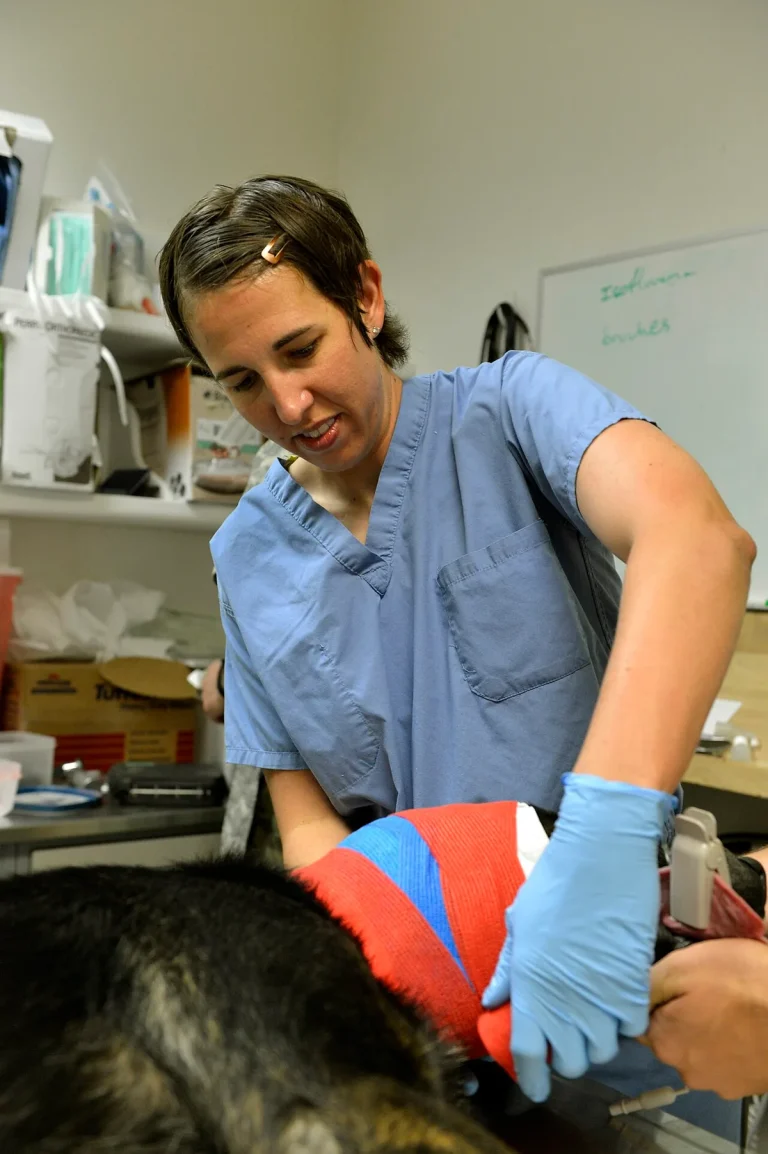
Your veterinarian can perform a physical examination, order blood work to check for underlying medical conditions like diabetes or Cushing's disease, and evaluate your dog's overall health. They can also provide accurate dietary recommendations and discuss behavioral modification strategies if needed. Don't hesitate to seek professional advice for persistent concerns.
Common Mistakes Dog Owners Make (And How to Avoid Them)
Many well-meaning dog owners inadvertently contribute to or misinterpret their dog's food obsession. One of the most common errors is assuming a dog's begging always means they are truly hungry. This overlooks the fact that dogs can exhibit learned behaviors or simply enjoy the attention associated with begging for food.
Another frequent mistake is over-relying on the feeding guide printed on dog food bags. These are generalized recommendations and don't account for your dog’s individual metabolic rate, activity level, or whether they are on other medications. For instance, a dog on corticosteroids might need more calories but also requires careful monitoring due to potential health impacts.
Additionally, some owners might switch foods too frequently without giving a new diet sufficient time to show its effects, which can create digestive upset or behavioral changes.
Expert Tips for Managing Your Dog's Food Drive
Managing a highly food-motivated dog often involves a multi-faceted approach, blending nutritional adjustments, behavioral training, and consistent environmental management. The goal is to satisfy their nutritional needs while preventing an unhealthy fixation on food. As of 2026, veterinary behavioralists emphasize that consistency and appropriate redirection are key.
For training, incorporate food rewards strategically into obedience sessions. Using a portion of their daily kibble as training treats can help satisfy their drive while reinforcing good behavior. Puzzle feeders and interactive treat toys are excellent tools because they slow down eating and provide mental stimulation, making mealtime a more engaging activity.
These can effectively extend meal times from a few minutes to 20-30 minutes for some dogs, significantly altering their eating experience.
Are You Feeding the Right Kind of Food?
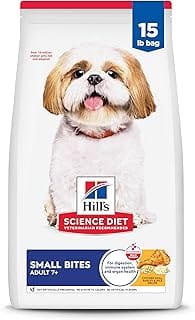
Choosing the correct dog food is more than just picking a brand; it involves understanding your dog's specific nutritional requirements and how different food formulations impact their satiety. A high-quality food that meets their dietary needs can make a considerable difference in managing an intense food drive. You might need to experiment with different formulas to see what works best for your individual dog.
When evaluating dog food, look for a guaranteed analysis that shows a minimum percentage of crude protein and fat, and a maximum percentage of crude fiber and moisture. For example, a food formulated for active breeds might contain 26-30% protein and 16-20% fat. The ingredients list should clearly identify meat sources as the first few ingredients.
If your dog has a sensitive stomach or specific dietary needs, you might explore limited ingredient diets or those specifically recommended for common issues like allergies, similar to how customized cat food is vital for specific feline health needs, such as those needing best cat food for hyperthyroidism.
What Are the Signs of Nutritional Deficiencies?
Nutritional deficiencies can occur when a dog's diet doesn't provide adequate levels of essential vitamins, minerals, or macronutrients. Symptoms can vary widely depending on the specific deficiency but often include changes in coat quality, decreased energy, poor immune function, and, crucially, an insatiable appetite as the body signals it's not getting what it needs. For instance, a lack of B vitamins can sometimes lead to increased appetite.
Other signs might include:
- Dull or brittle coat
- Excessive shedding
- Slow wound healing
- Stunted growth in puppies
- Increased susceptibility to infections
If you suspect your dog might have a nutritional deficiency, it's paramount to consult your veterinarian. They can perform diagnostics to identify the specific missing nutrients and recommend a therapeutic diet or supplement regimen. Avoid self-treating with random supplements, as this can sometimes lead to imbalances or toxicity.