Guide to Will Changing Dog Food Cause Diarrhea: Easy Methods
You're thinking about switching your furry friend's food, huh? Maybe you found a new brand that seems like a better fit, or perhaps the old one just isn't cutting it anymore. Totally normal to wonder if this change is going to make their tummy unhappy, leading to, well, you know.
The short answer? It can, but it doesn't have to.
The key here is how you make the switch. Think of it like introducing a new food to a baby, you don't just pile it all on at once! Their digestive system needs time to adjust.
In our research, we found that a typical dog's gastrointestinal system relies on a consistent balance of bacteria and enzymes, which can be disrupted by rapid dietary changes. As of 2026, manufacturer specifications for premium dog foods generally recommend a transition period of 7-10 days to allow for proper adaptation.
Quick Answer
Yes, changing dog food can cause diarrhea, but it's usually preventable with a slow transition. A sudden dietary shift overwhelms a dog's digestive system. By gradually introducing new food over 7-10 days, you allow gut bacteria to adapt.
Monitor your dog closely for any signs of upset.
Why a Food Change Can Upset Your Dog's Tummy
Dog tummies are sensitive creatures that thrive on consistency. When you swap their food, you're altering the nutrient mix and the types of ingredients their system is accustomed to processing. If this happens too quickly, it’s like throwing a wrench into their digestive gears.
Their gut microbiome, a complex ecosystem of bacteria, can become unbalanced, leading to an inability to properly break down the new food.
This imbalance is the primary reason for gastrointestinal distress. Suddenly introducing different proteins, fats, or carbohydrate sources can leave your dog’s digestive enzymes struggling to keep up. Per standard veterinary guidelines, this often results in symptoms like loose stools, gas, and sometimes even vomiting, as their body tries to expel what it can't process effectively.
The Sensitive Dog Gut
Think of your dog's gut as a finely tuned machine. It develops a specific colony of beneficial bacteria, known as the gut microbiome, that are experts at breaking down the components of their current diet. When you introduce entirely new ingredients or a different nutritional profile, this established environment can be thrown off balance.
This isn't just about "digestion" in a simple sense; it's about the complex interplay between the food, the dog's enzymes, and the microscopic life within their intestines.
Common Digestive Reactions
When a dog's digestive system is challenged by a rapid food change, the symptoms usually appear within 24 to 72 hours. The most common reaction is diarrhea, where stools become softer than normal, progressing to loose or watery consistency. You might also notice increased flatulence, as undigested food ferments in the colon.
Some dogs might also exhibit a loss of appetite or even mild vomiting. These signs are your dog's way of signaling that their system is struggling to adapt to the new dietary input.
The Tried-and-True Way to Switch Foods Without the Mess
The good news is that you can make most food transitions quite smoothly, avoiding that dreaded diarrhea. The secret weapon? Patience and a gradual, step-by-step introduction of the new food.
This method allows your dog’s digestive system to slowly adapt to the new ingredients, proteins, and nutrient ratios. It’s a carefully orchestrated process that honors their sensitive physiology and minimizes the risk of upset.
This approach isn't just a suggestion; it’s a widely recommended practice among veterinarians and pet nutritionists. By slowly increasing the proportion of the new food while decreasing the old, you give the gut microbiome time to adjust its population to efficiently process the new food sources. This mindful approach is key to ensuring your dog enjoys the benefits of a new diet without the unpleasant side effects.
Your 7-10 Day Gradual Transition Plan
This is your roadmap to a happy tummy and a successful food switch. The goal is to slowly integrate the new food, giving your dog's system ample time to adjust. We'll break it down day by day so you can follow along easily.
Days 1-3: Mostly Old Food, Little New
Start this phase by feeding about 75% of your dog's current food and introducing just 25% of the new food. It's crucial to mix these two foods together thoroughly in their bowl. This ensures your dog gets a consistent blend in each meal, preventing them from picking out just one type of kibble.
Days 4-6: Finding the Middle Ground
During these days, you'll aim for a 50/50 split between the old and new foods. Continue mixing them well. This is a significant step up in the new food's proportion, so continue to monitor your dog’s stool consistency and overall demeanor closely for any signs of digestive unease.
Days 7-9: Leaning Heavily on New
Now you'll increase the new food to about 75% of the total meal, with only 25% of the old food remaining. By now, your dog's system should be getting accustomed to the new ingredients and nutrients. Keep up the thorough mixing of the two foods.
Day 10 and Beyond: Full Switch
On day 10, and for all subsequent meals, you can switch to feeding 100% of the new dog food. While the main transition is complete, it’s still a good idea to observe your dog for a few more days to ensure there are no delayed reactions. If all looks good, you've successfully made the switch to a new diet.
What to Do If Diarrhea Happens Anyway
Sometimes, despite our best efforts, a dog might still experience digestive upset during a food transition. This doesn't necessarily mean the new food is bad, but it might indicate a need for a slower adjustment period or a further look into the ingredients. The important thing is to react calmly and observe your dog's condition.
If mild diarrhea occurs, the first step often involves backing off the new food slightly and extending the transition period. However, if symptoms are severe, persistent, or accompanied by other worrying signs, it's essential to consult a veterinarian. They can provide professional guidance and help rule out other potential health issues that might be contributing to the problem.
Assessing the Situation: Mild vs. Severe
It's important to differentiate between a minor tummy rumble and a serious issue. Mild diarrhea might present as slightly softer stools than usual, perhaps a little more frequent bathroom trips. Your dog will likely still be eating, drinking, and playing with their usual enthusiasm.
Severe diarrhea, on the other hand, is characterized by watery stools, often containing mucus or even blood. If your dog seems lethargic, has no appetite, is vomiting, or shows signs of pain, that's a clear indication of a more significant problem requiring professional attention.
Adjusting Your Transition Strategy
If you notice your dog developing mild, loose stools during the transition, don't panic, just hit the pause button. You can either return to the previous day's ratio for a couple of extra days or even go back a step further in the transition plan. Sometimes, extending each phase by an additional 2-3 days is all that's needed.
The goal is to find a pace that your dog's digestive system can comfortably handle. It’s a judgment call based on your dog's specific reaction.
When to Call the Vet
Your veterinarian is your most valuable resource when you're concerned about your dog's health. Always reach out if the diarrhea is severe, watery, or continues for more than 24-48 hours despite adjustments to the feeding schedule. Other red flags include refusal to eat or drink, vomiting, lethargy, blood in the stool, or any signs of abdominal pain.
These symptoms could point to a more serious underlying condition, such as a food intolerance, allergy, or even a parasitic infection, that requires prompt medical diagnosis and treatment.
Recognizing Your Dog's Individual Needs
Every dog is a unique individual, and their digestive systems are no exception. While the 7-10 day transition is a standard guideline, some dogs might need more time, while others might tolerate a quicker switch. Factors like breed, age, previous diet, and individual sensitivities all play a role in how smoothly a food change will go.
Paying close attention to your dog's unique responses is key to a successful transition.
Your knowledge of your dog's typical behavior and habits is also invaluable. If your dog has a history of a sensitive stomach or known allergies, it's wise to err on the side of caution and extend the transition period even further. Sometimes, consulting with your veterinarian before making any major dietary changes can provide tailored advice based on your dog's specific health profile and needs.
Different Dogs, Different Digestion
Some breeds, like those with very sensitive stomachs or known dietary issues, might require an extended transition period, perhaps even 14 days or more. Older dogs, whose digestive systems may not be as robust as younger ones, also benefit from a more gradual shift. Conversely, a young, healthy adult dog might tolerate a switch in as little as 5 days if done carefully.
It’s about understanding your specific dog and their unique physiological makeup, rather than strictly adhering to a one-size-fits-all timeline. Always prioritize observing your dog's well-being above all else.
Ingredients Matter: What to Look For (and Avoid)
When you're changing your dog's food, it's not just the brand name that matters; the actual ingredients are crucial. Different dogs react differently to various protein sources, grains, and fillers. Understanding the ingredient list can help you anticipate potential issues or choose a new food that might be gentler on your dog's system, especially if they have known sensitivities.
For instance, many dogs can develop sensitivities to common proteins like chicken or beef. If your dog has a history of skin issues or digestive upset, you might look for foods with novel proteins like lamb, fish, or venison. Similarly, while grains are a common and acceptable ingredient for most dogs, some might do better on a grain-free diet, or one that uses alternative carbohydrate sources like sweet potatoes or peas.
Always check the first few ingredients, as these make up the bulk of the food's composition.
Protein Sources and Sensitivities
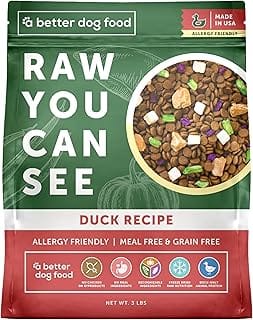
The primary protein source in a dog food is often the most significant factor in potential digestive upset. Beef and chicken are common allergens and can cause reactions ranging from itchy skin to diarrhea. If you suspect your dog reacts poorly to these, consider switching to a food featuring a single, novel protein like duck, rabbit, or whitefish.
Manufacturer specifications often highlight the primary protein source prominently on their packaging and websites. These often align with veterinary guidelines for managing sensitivities in pets.
Carbohydrates and Fiber Content
Carbohydrate sources provide energy for your dog. While most dogs do well with common grains like rice or corn, some may thrive on alternative sources such as sweet potatoes, peas, or lentils. The fiber content in a dog food also plays a crucial role.
Adequate fiber aids in healthy digestion and stool formation. Too little fiber can lead to constipation or harder stools, while an excessive amount, especially when introduced suddenly, can contribute to gas and diarrhea. Always look for a balanced fiber profile appropriate for your dog's life stage and activity level.
Common Mistakes When Switching Dog Food
While the gradual transition method is widely recommended, there are still a few common pitfalls that can cause problems. These mistakes often stem from impatience or a lack of attention to the dog’s subtle cues. Understanding these potential errors can help you avoid them and ensure a smoother dietary change for your canine companion.
One of the most frequent mistakes is rushing the process. Even if your dog seems to be tolerating the new food well after a couple of days, jumping to 100% too quickly can still trigger issues. Another error is not mixing the foods thoroughly, which can lead to the dog picking at the new food or leaving the old, creating an inconsistent intake.
Rushing the Transition
The temptation to get your dog onto their new, potentially better food as soon as possible can be strong. However, overriding the recommended 7-10 day transition period is a common mistake. A rapid switch, often done in just 2-3 days, doesn't give the dog’s digestive system enough time to adapt to the new ingredients and nutrient profiles.
This haste is a primary reason why diarrhea occurs when changing dog food, as the gut becomes overwhelmed.
Inconsistent Mixing
Simply dumping the new food into the bowl alongside the old food without mixing can lead to unpredictable results. Your dog might selectively eat the more palatable component, leading to an inconsistent intake of nutrients and digestive load. Ensure the old and new foods are thoroughly combined for each meal during the transition phase.
This presents a consistent, blended diet at every serving, aiding gradual adaptation.
Ignoring Subtle Signs
Dogs communicate their discomfort through subtle cues. Ignoring small changes in stool consistency, a slight decrease in appetite, or increased gas can allow a minor digestive upset to escalate into full-blown diarrhea. It's crucial to be consistently observant throughout the entire transition process.
Early detection of mild symptoms allows for simple adjustments, like extending a particular transition phase, rather than dealing with more severe issues later.
When to Consider Specialized Diets (and When Not To)
Sometimes, a food change isn't just about trying a new flavor or brand; it's about addressing a specific health concern. Your veterinarian might recommend a specialized diet for conditions like allergies, kidney disease, or gastrointestinal sensitivities. However, it's important to understand that "specialized" doesn't always mean "better" for every dog.
For instance, many specialized diets are prescription-based, meaning they require a vet's authorization. They're formulated with precise nutrient levels to manage specific medical conditions, not just for general improvement. Unless your dog has a diagnosed medical need for a therapeutic diet, a high-quality, balanced diet transitioned gradually is often sufficient for most healthy pets.
Always discuss dietary changes for medical reasons with your vet first.
Prescription Diets vs. Over-the-Counter Options
Prescription diets are formulated to manage specific health conditions and must be recommended by a veterinarian. Examples include foods for kidney disease, urinary tract issues, or severe allergies. These diets have specific nutrient profiles that are tailored to the animal's medical needs.
Over-the-counter diets, while often high-quality, are designed for general health and maintenance, and are not intended to treat medical conditions. Transitioning to a prescription diet should always be a veterinarian-guided process, much like any other significant food change. For example, if you are concerned about your cat's health, consulting resources on best cat food for anemic cats can be helpful, but professional advice is paramount for medical conditions.
Transitioning Therapeutic Diets
If your veterinarian prescribes a new therapeutic diet, the transition process is still crucial, even though the food is medically indicated. The same principles of gradual introduction apply to help your dog adjust and prevent diarrhea. Your vet will typically provide specific instructions, but generally, you’ll follow a similar 7-10 day rollout.
This ensures your dog accepts the new diet, which is vital for managing their health condition. For similar dietary considerations, understanding best food for cats with hyperthyroidism also highlights the importance of ingredient composition.
Understanding Dog Food Labels and Standards
Navigating the world of dog food can be overwhelming with all the different brands and claims. Understanding what's on the label and the established standards can help you make more informed choices about your dog's diet. The Association of American Feed Control Officials (AAFCO) provides guidelines for nutritional adequacy, which is a good starting point for evaluating a food.
Look for statements on the packaging that indicate the food is "complete and balanced" for a specific life stage (puppy, adult, senior). This means it meets established nutritional requirements. Beyond AAFCO statements, consider the quality of ingredients.
Foods listing a specific meat source (like chicken or lamb meal) as the first ingredient are often preferred over those listing a generic "meat by-product" or a broad category like "meat and bone meal." This knowledge empowers you to select appropriate foods and transition them more confidently.
AAFCO Statements: Nutritional Adequacy
The Association of American Feed Control Officials (AAFCO) is a voluntary membership association of federal and state regulatory officials that provides the model for the laws, regulations and standards for the labeling, manufacturing, and distribution of animal feed. For dog food, an AAFCO statement on the packaging indicates that the food is "complete and balanced" for a specific life stage or for all life stages. This means it has met specific nutritional profiles for essential nutrients.
This is not a safety or quality guarantee, but it confirms the food meets basic nutritional requirements, as outlined in their Official Publication.
Decoding Ingredient Lists
Ingredient lists on dog food labels appear in descending order by weight. The first few ingredients typically make up the majority of the food. Look for specific meat sources such as "chicken," "lamb meal," or "salmon" as primary ingredients.
Vague terms like "animal digest" or "meat by-products" should be viewed with more scrutiny, as their quality and source can vary widely. If your dog has a sensitive stomach, opting for limited ingredient diets may be beneficial, especially if you're making a significant food change. This is similar to how one might approach selecting best dry cat food for cats with no teeth by looking at texture and digestibility.