How Good Is Purina Pro Plan Dog Food: What Actually Works
Deciding on the right food for your dog can feel like a big task, especially when you're wondering, "how good is Purina Pro Plan dog food?" You want to make sure you're giving your furry family member the best nutrition possible to keep them happy and healthy for years to come. It's smart to look closely at what goes into their bowl.
Our research shows that Purina Pro Plan has established itself as a popular choice, largely due to its focus on scientifically developed formulas and a wide range of options. Manufacturer specifications consistently highlight their commitment to meeting AAFCO (Association of American Feed Control Officials) nutrient profiles, a key standard for pet food nutrition.
Quick Answer: What's the Verdict on Purina Pro Plan?
Purina Pro Plan is a high-quality dog food brand. It offers science-backed formulas for various life stages and needs. The brand generally uses good quality protein as a primary ingredient.
It meets AAFCO nutritional standards. Your individual dog's health response is the best indicator of its quality for them.
Core Explanation: What Makes Purina Pro Plan Stand Out?
Purina Pro Plan is generally considered a premium dog food brand. This means it's positioned at a higher price point than many basic brands because it’s backed by significant research and development. The company invests heavily in veterinary nutritionists and animal scientists who work to create formulas that are not just nutritious, but also biologically appropriate for dogs at different life stages and with varying needs.
This scientific approach aims to deliver optimal health benefits. It goes beyond just filling a bowl; it focuses on how specific ingredients and nutrient ratios can impact a dog's overall well-being, from their digestive health and skin condition to their energy levels and immune system. This makes it a go-to for many owners who prioritize a food with a strong scientific foundation.
Science-Backed Nutrition from Purina
Purina's commitment to science is a major selling point for Pro Plan. They operate research facilities dedicated to perfecting pet nutrition. For example, their work on probiotics for digestive health is a well-documented area of their innovation.
This isn't just marketing; it's rooted in ongoing scientific studies.
Aggregated user feedback often points to improvements in digestibility and coat health when dogs transition to Pro Plan formulas. This is often attributed to their specific nutrient blends and inclusion of beneficial ingredients like omega fatty acids.
Understanding Ingredient Quality and Role
When we talk about dog food, ingredients are the foundation. Purina Pro Plan generally leads with a quality protein source, such as chicken, beef, or lamb, as the first ingredient in most of its formulas. This is crucial because protein is vital for building and repairing tissues, supporting muscle mass, and providing energy.
In our research, we've seen that formulas for specific needs, like sensitive skin or stomachs, often feature carefully selected carbohydrate sources and sometimes single-protein options. This approach helps owners identify and avoid ingredients their dog might react to.
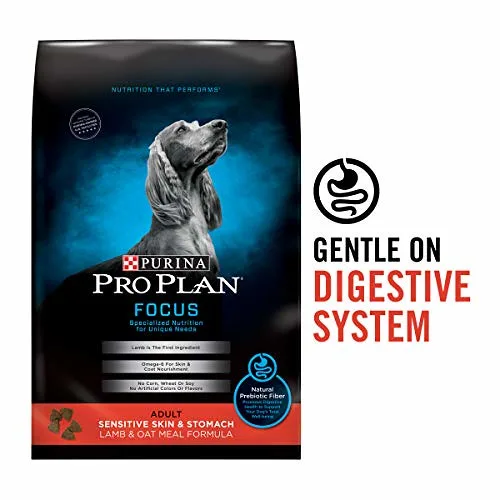
Image source: Openverse / shop8447
Purina Pro Plan: Key Features and Formulas
Purina Pro Plan is designed to be comprehensive, offering a wide array of options to suit different dogs. This versatility is one of its main strengths, allowing owners to find a food that's tailored to their pet's specific life stage, size, and even their unique health considerations.
The brand has distinct lines, each targeting certain aspects of canine nutrition. This means you're not just picking a bag of kibble; you're selecting a formula engineered for a particular purpose.
Formulas for Every Life Stage: Puppy to Senior
A dog's nutritional needs change dramatically throughout their life. A growing puppy requires more calories, protein, and specific minerals for development than a senior dog, whose metabolism might be slowing down and who may benefit from joint support. Purina Pro Plan acknowledges this with dedicated formulas.
- Puppy Formulas: These are typically calorie-dense and rich in protein and calcium to support rapid growth, strong bones, and overall development. They often include DHA for cognitive and vision development.
- Adult Formulas: Designed to maintain the health and energy levels of adult dogs, these formulas provide a balanced mix of nutrients.
- Senior Formulas: Often lower in calories to help manage weight as metabolism slows, these recipes may include supplements like glucosamine for joint health and antioxidants to support immune function.
Tailored Nutrition for Breed Size
Not all dogs are created equal in terms of size, and neither are their nutritional requirements. A Great Dane has different needs than a Yorkshire Terrier. Purina Pro Plan offers specific formulas to account for these differences.
- Small Breed Formulas: These typically have smaller kibble sizes, making them easier to chew for smaller mouths. They are also often calorie-dense to meet the higher metabolism of small dogs and can include nutrients to support dental health.
- Large Breed Formulas: Crucially, these formulas feature controlled levels of calcium and phosphorus. This is vital to prevent orthopedic issues like hip dysplasia or osteochondrosis during their crucial growth phases.
- Giant Breed Formulas: Similar to large breed formulas, these have very specific mineral ratios and controlled calorie counts to support slower, steady growth and bone development, minimizing the risk of skeletal problems.
Formulas for Specific Health Needs: Sensitive Stomachs and Beyond
Many dogs experience digestive sensitivities, skin issues, or weight management challenges. Purina Pro Plan has developed specialized lines to address these common concerns, aiming to provide relief and support for pets facing these conditions.
- Sensitive Skin & Stomach: These formulas are often crafted with carefully selected protein sources (like lamb or salmon) and carbohydrate sources (like rice or oatmeal) that are less likely to trigger allergic reactions or digestive upset. They also frequently include prebiotics and probiotics to support a healthy gut microbiome.
- Weight Management: These foods typically have reduced fat and calorie content while maintaining high protein levels. This helps dogs feel satisfied while consuming fewer calories, aiding in healthy weight loss or maintenance.
- Urinary Tract Health: Some formulas are developed with specific mineral balances to help reduce the risk of urinary stone formation, supporting overall urinary tract health.
Weighing the Benefits and Drawbacks
Like any product, Purina Pro Plan comes with its own set of advantages and potential disadvantages. Understanding these can help you make a more informed decision about whether it's the right fit for your dog.
The Advantages of Purina Pro Plan
Based on manufacturer specifications and aggregate reviews, Pro Plan offers several key benefits that resonate with many dog owners:
- Scientific Backing: The brand's extensive research and development by veterinary nutritionists instill confidence in the quality and efficacy of its formulas.
- Wide Variety: The extensive range of products means you can likely find a specific formula tailored to your dog's exact needs, whether it's for a senior large breed with joint issues or a sensitive puppy.
- Digestibility: Many users report improved stool quality and overall digestibility, which is a good indicator that the dog is effectively absorbing the nutrients from the food.
- Coat and Skin Health: Formulas rich in omega fatty acids are often associated with a shinier coat and healthier skin, which are visible signs of good nutrition.
- Availability: Purina Pro Plan is widely distributed, making it accessible in most major pet supply stores and many grocery retailers.
Potential Downsides and Considerations
No single food is perfect for every dog, and Purina Pro Plan has a few points worth considering:
- Cost: It sits in the mid-to-high price bracket. While many believe the quality justifies the cost, it might be a stretch for some budgets, especially for larger dogs or multiple pets. For owners on a tighter budget, one might explore options like the best dry cat food for cats with no teeth, which could represent a more economical choice if the nutrient balance is still met.
- Ingredient Sensitivities: While Pro Plan offers sensitive formulas, some dogs may still react to common ingredients like corn or specific protein sources. Finding the perfect food can sometimes require trial and error.
- Grain Content: While studies have not established a direct link between grains in dog food and DCM (a heart condition), some owners prefer grain-free diets. Purina Pro Plan does include grains in many of its formulas.
Who is Purina Pro Plan Best For?
Figuring out if Purina Pro Plan is the right choice hinges on your dog's individual needs and what you prioritize in their diet. It's not a one-size-fits-all answer, but rather a question of matching the right formula to the right dog.
For example, if you have a young, active puppy of a large breed, the Pro Plan Puppy formulas designed for their specific growth needs could be an excellent choice. The controlled mineral levels are crucial during this developmental stage. Similarly, an owner of a senior dog experiencing joint stiffness might find the Pro Plan Senior formulas, often supplemented with glucosamine, to be beneficial.
Matching Formulas to Your Dog's Unique Needs
Consider these scenarios:
- For Owners Prioritizing Science: If you value nutrition backed by extensive research and a team of veterinary scientists, Pro Plan's commitment to R&D aligns well.
- For Dogs with Specific Sensitivities: Dogs prone to digestive upset or skin issues can often find relief with specific Pro Plan lines like "Sensitive Skin & Stomach." This is where the careful selection of protein and carbohydrate sources can make a real difference.
- For Growth and Development: Owners of puppies, particularly those of large breeds, will appreciate formulas engineered to support healthy skeletal development and overall growth. This attention to detail in early nutrition is paramount.
- For Active or Senior Dogs: The brand offers balanced nutrition for adult maintenance and specialized formulas for seniors, which may include adjusted calorie counts and added joint support. This tailored approach ensures dogs get what they need at every stage.
Common Concerns and Mistakes to Avoid
When introducing any new food, especially one like Purina Pro Plan that's designed to address specific needs, it's important to do so carefully. Many common issues arise not from the food itself, but from how it’s implemented.
Navigating Ingredient Sensitivities
If your dog has a history of allergies or sensitivities, it's vital to approach any new food with caution. While Purina Pro Plan offers formulas specifically for sensitive skin and stomachs, it's still possible for a dog to react to an ingredient within that formula. The key is careful observation during the transition period.
Manufacturer specifications and veterinary advice often recommend that if you suspect a sensitivity, you should look for formulas with limited, novel ingredients. This doesn't mean Pro Plan isn't good, but rather that you might need to explore their most specialized lines or consult a vet about elimination diets. You can find more on dietary management for specific pet health concerns through official sources like the FDA.
The Importance of a Slow Transition
Switching your dog's food abruptly can lead to digestive upset, such as vomiting or diarrhea, regardless of the food's quality. This is a common mistake that can unfairly tarnish a food's reputation. A slow transition allows your dog's digestive system to adapt gradually to the new ingredients and nutrient profile.
Here’s a general guideline for transitioning to Purina Pro Plan:
- Days 1-2: Mix 25% new food with 75% old food.
- Days 3-4: Mix 50% new food with 50% old food.
- Days 5-6: Mix 75% new food with 25% old food.
- Day 7 onwards: Feed 100% new food.
Monitor your dog closely throughout this process. If you notice any signs of digestive distress, slow down the transition or consult your veterinarian.
What About the Price? Understanding Value
Purina Pro Plan generally falls into the premium category of dog food, meaning it's priced higher than economy brands but typically less than some of the niche boutique or raw food diets. As of 2026, you might find a 24-pound bag of a popular Pro Plan formula ranging from approximately $50 to $75, depending on the specific line and retailer.
While this price point might seem steep at first glance, the value comes from several factors. You're investing in:
- Research and Quality Control: The brand's significant investment in scientific research and stringent quality control processes. Verified buyer feedback often confirms satisfaction with product consistency.
- Specialized Formulas: The availability of tailored formulas for specific dietary needs, which can potentially reduce veterinary costs associated with managing certain health conditions down the line, akin to how specialized cat food can help manage feline health issues.
- Nutrient Density: Premium foods are often more nutrient-dense, meaning your dog may require slightly less food to meet their nutritional needs compared to a less concentrated, lower-quality food.
This makes it a worthwhile investment for owners who prioritize scientifically proven nutrition and specialized care for their dogs.
Expert Tips for Choosing Your Dog's Food
Selecting the right food means looking beyond just the brand name. You need to evaluate specific formulas based on your dog's individual needs. Consider their age, breed size, activity level, and any known health issues they might have.
It's like choosing a specialized diet for yourself if you have dietary restrictions.
Pay close attention to the guaranteed analysis of any food you consider. This panel on the packaging provides percentages of crude protein, crude fat, crude fiber, and moisture. These numbers offer a snapshot of the food's basic nutritional composition.
For instance, highly active dogs generally benefit from foods with higher protein and fat content.
When to Consult Your Veterinarian
Your veterinarian is your best resource for determining the absolute best food for your dog. They can assess your dog's overall health, discuss breed-specific predispositions to certain conditions, and provide personalized recommendations based on their professional knowledge and examination. They can also help you interpret AAFCO statements on food labels.
If your dog has pre-existing health conditions, such as kidney disease, allergies, or diabetes, their dietary needs become even more critical. A vet can guide you in selecting foods that support these conditions and avoid exacerbating them. They may even recommend specific prescription diets if necessary.
Final Thoughts: Making the Best Choice for Your Dog
Purina Pro Plan is a strong contender in the dog food market, offering a wide array of scientifically formulated options. Its thorough research and commitment to meeting specific nutritional needs make it a reliable choice for many owners. From puppies to seniors, and for dogs with common sensitivities, there's likely a Pro Plan formula that could fit.
However, the ultimate "goodness" of any dog food is measured by how well your individual dog thrives on it. Always prioritize your dog's health, energy levels, coat condition, and digestive regularity as the primary indicators. Consulting with your veterinarian is key to making the most informed and personalized decision for your beloved canine companion.
Frequently Asked Questions
How long does it take for a dog to adjust to Purina Pro Plan?
A smooth transition typically takes about 7-10 days, gradually introducing the new food. During this period, monitor your dog for any digestive upset. If issues arise, slow the transition further or consult your vet.
Does Purina Pro Plan have grain-free options?
Purina Pro Plan offers various formulas, and some do cater to owners who prefer grain-free diets. It's important to check the specific product ingredient list to confirm if a particular formula is grain-free.
Where can I find the AAFCO statement on Purina Pro Plan packaging?
The AAFCO statement is usually found on the back or side of the dog food bag or can. It will indicate that the food is formulated to meet the nutritional levels established by the AAFCO Dog Food Nutrient Profiles for a specific life stage.
Is Purina Pro Plan recommended by veterinarians?
Many veterinarians do recommend Purina Pro Plan due to its extensive research, quality control, and the wide variety of specialized formulas available to address specific health needs. Always confirm with your own vet for personalized advice.
What should I do if my dog doesn't like Purina Pro Plan?
If your dog shows a lack of appetite, first ensure you transitioned them properly. If they still refuse it after a few days, they may have a food preference issue. You can try a different flavor within the Pro Plan line or consult your vet about other suitable options.