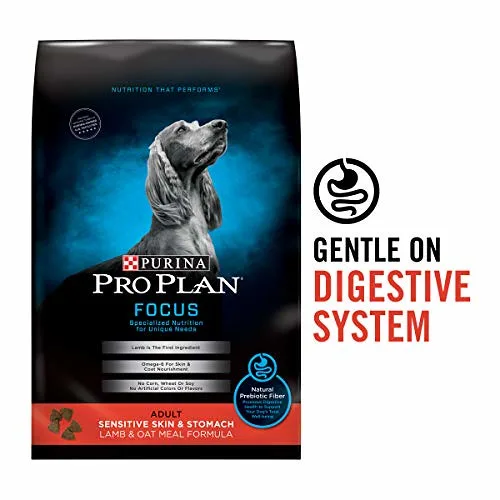
Which Is Better Purina or Pedigree Dog Food in 2026
Choosing between Purina and Pedigree for your dog isn’t always straightforward. Many dog owners find themselves in the pet food aisle, comparing these two giants and wondering which bag is truly the best for their furry family member. Our research indicates these brands offer vastly different approaches to canine nutrition, impacting everything from your dog’s energy levels to their digestive health.
When evaluating dog food, it’s crucial to consider factors beyond the colorful packaging. Manufacturers must meet standards set by the Association of American Feed Control Officials (AAFCO) to ensure a food is “complete and balanced” for a specific life stage. Understanding these nuances will help you make a more informed decision about which brand is a better fit for your dog’s unique needs, leading us to our direct comparison.
Quick Answer
Purina generally offers more specialized formulas backed by extensive research, while Pedigree tends to be more budget-friendly and widely accessible. The best brand depends on your dog’s specific needs, allergies, and your budget. Manufacturers like Purina often focus on science-driven nutrition for various life stages and health concerns.
What’s the Real Difference Between Purina and Pedigree?
Purina and Pedigree are two of the most recognizable dog food brands, but they operate with different philosophies and target audiences. Purina, a subsidiary of Nestlé Purina PetCare, invests heavily in nutritional science and develops a wide array of sub-brands, many of which are formulated based on proprietary research. Think of brands like Purina Pro Plan, Purina ONE, and Purina Dog Chow; they all fall under the Purina umbrella but cater to different price points and specific dietary needs.
Their approach often emphasizes scientific validation and veterinary recommendations.
On the other hand, Pedigree, owned by Mars Petcare, is known for its broad availability and more accessible price point. Mars Petcare also owns other brands, but Pedigree itself is positioned as a mainstream, everyday food. Pedigree’s formulas typically focus on providing basic, complete nutrition that meets AAFCO standards.
While they offer some variety, the emphasis is less on highly specialized formulas and more on providing a dependable, affordable option for the average dog owner. If you’re debating which to pick, understanding these core brand strategies is the first step.
A Look Inside: Ingredients and Nutrition
The true heart of any dog food lies in its ingredients and overall nutritional profile. This is where you see the tangible differences manifesting, impacting your dog’s health and well-being directly. When we look at Purina and Pedigree, their standard offerings can present quite contrasting ingredient lists and nutrient focuses.
Purina’s Nutritional Approach
Purina’s nutritional philosophy is deeply rooted in scientific research and development. For example, Purina Pro Plan formulas are often developed in collaboration with veterinarians and nutritionists, aiming to deliver targeted benefits. Their ingredient sourcing and formulation process typically involve extensive testing to ensure optimal nutrient absorption and bioavailability.
Aggregate reviews and manufacturer specifications often highlight proprietary blends of antioxidants, probiotics, and omega fatty acids designed for specific outcomes, such as immune support or coat health. Purina’s commitment to research is a cornerstone of their brand, allowing them to create specialized diets that cater to a wide spectrum of canine needs, from puppy development to senior care, and addressing common issues like sensitive stomachs.
Pedigree’s Nutritional Approach
Pedigree’s nutritional strategy generally centers on providing balanced, complete nutrition that meets AAFCO standards at a more accessible price. Their standard dry kibble formulas often list corn, soybean meal, and whole wheat as primary ingredients, followed by meat and bone meal or chicken by-products as protein sources. While these ingredients can provide necessary nutrients, they are sometimes viewed as less premium than whole meat sources often found in higher-tier foods.
Pedigree emphasizes ensuring their food provides essential vitamins and minerals for overall health, energy, and a shiny coat. They also promote their kibble’s texture for aiding in dental cleanliness. As of 2026, Pedigree continues to focus on affordability and wide distribution to serve a large segment of pet owners.
Key Features and What They Mean for Your Dog
Beyond the primary ingredients, several other features can influence how well a dog food agrees with your pet. These attributes can range from specific protein sources, the inclusion of grains, to specialized kibble shapes designed for health benefits. Understanding these can help you decode labels and make a more informed choice.
Protein Sources and Quality
Protein is fundamental for a dog’s muscle development, tissue repair, and overall bodily function. Both Purina and Pedigree offer protein in their foods, but the type and quality can differ significantly. Purina’s premium lines, like Pro Plan, frequently feature whole meats like chicken, beef, or lamb as their first ingredient.
This indicates a high concentration of animal-based protein that is generally more digestible and palatable for dogs. In contrast, Pedigree’s standard formulas often use meat and bone meal or chicken by-products as primary protein sources. While these are still sources of protein, they can be less digestible and may contain a wider variety of animal parts, which some owners prefer to avoid.
The presence of whole meat as the first ingredient is often seen as a marker of higher quality in dog food.
Grains, Fillers, and Digestibility
The role of grains and other carbohydrate sources in dog food is a frequent topic of discussion. Grains like corn, wheat, and soy are common in many dog foods, including both Purina and Pedigree, and can serve as energy sources and carriers for nutrients. However, some dogs can develop sensitivities or allergies to certain grains, leading to digestive upset or skin issues.
Purina offers a range of grain-inclusive and grain-free options across its sub-brands, allowing owners to choose based on their dog’s known sensitivities. Pedigree’s standard formulas are typically grain-inclusive, often featuring corn and wheat prominently. The term “fillers” is often used negatively, but in pet nutrition, they refer to ingredients that add bulk and provide carbohydrates, such as grains or starches.
Digestibility is key; a food might have a good ingredient list but if the dog can’t efficiently break it down and absorb the nutrients, it won’t be beneficial. This is another area where specialized Purina formulas might offer advantages for dogs with sensitive systems.
Pros and Cons: Weighing Purina and Pedigree
When you’re trying to decide between two popular options like Purina and Pedigree, it helps to break down what each brand does well and where it might fall short for a particular dog owner. This isn’t about declaring one product definitively “better” but understanding which strengths align with your priorities.
Purina: The Good, The Bad, The Options
Purina’s extensive range of brands provides a significant advantage for owners seeking tailored nutrition.
- The Good: Purina’s investment in scientific research translates into formulas designed for specific needs, think Purina Pro Plan Veterinary Diets or specialized formulas for puppies, seniors, or dogs with sensitivities. Their premium lines often feature high-quality protein sources and thoughtfully balanced nutrients, supported by substantial research. The availability of grain-free and limited-ingredient options is also a plus for dogs with specific dietary restrictions.
- The Bad: Some of Purina’s higher-end lines, particularly Pro Plan, can be considerably more expensive than Pedigree. While the quality and research are strong, the cost can be a barrier for some pet owners. Additionally, the sheer number of sub-brands and formulas can be overwhelming; you really need to scrutinize labels to understand the nutritional differences between, for instance, Purina Dog Chow and Purina Pro Plan.
- The Options: Purina offers a vast selection, including Purina ONE, Purina Pro Plan, Purina Supercoat, and Purina Beneful, each targeting different market segments and nutritional profiles.
Pedigree: The Good, The Bad, The Accessibility
Pedigree stands out for its widespread availability and affordability, making it a go-to for many households.
- The Good: Pedigree is incredibly accessible, found in virtually every grocery store, big-box retailer, and online. Its prices are generally lower than many premium brands, making it a budget-friendly choice for feeding multiple dogs or for owners managing a tight budget. Pedigree’s kibble is often designed with dental health in mind, with specific shapes and textures intended to help reduce tartar buildup.
- The Bad: Critics and some veterinary nutritionists often point to the ingredient quality in Pedigree’s standard formulas. The heavy reliance on grains like corn and wheat, and the use of meat by-products, is a concern for those prioritizing whole meat proteins and easily digestible ingredients. While meeting AAFCO standards, the overall ingredient profile might not be as nutrient-dense or specialized as some of Purina’s premium offerings. For dogs with sensitivities or specific health goals, Pedigree’s standard lines may not be sufficient.
- The Accessibility: Pedigree’s main strength is its ubiquity. You can easily pick up a bag during your regular shopping trip without needing to visit a specialty pet store.
Who is Each Brand Best For? Matching Food to Your Dog
Deciding between Purina and Pedigree ultimately hinges on your dog’s individual needs and your personal priorities as a pet owner. It’s not a one-size-fits-all situation; what works wonders for one dog might not be ideal for another.
Ideal Scenarios for Purina Formulas
Purina’s extensive range makes it a strong contender for owners whose dogs have specific dietary needs or health goals. If your dog struggles with digestive sensitivities, has known allergies, or requires specialized nutrition for a particular life stage (like a very active working dog or a growing puppy with specific developmental needs), Purina’s more specialized lines, such as Purina Pro Plan, often provide targeted solutions.
These formulas, supported by significant research, might feature novel protein sources, limited ingredients, or added prebiotics and probiotics to support gut health. It’s also a good choice if you prioritize a brand that heavily invests in veterinary nutrition research and offers formulas endorsed by veterinarians for specific health conditions. For instance, if a vet recommends a food for a dog with kidney issues or significant skin allergies, a Purina veterinary diet could be suggested.
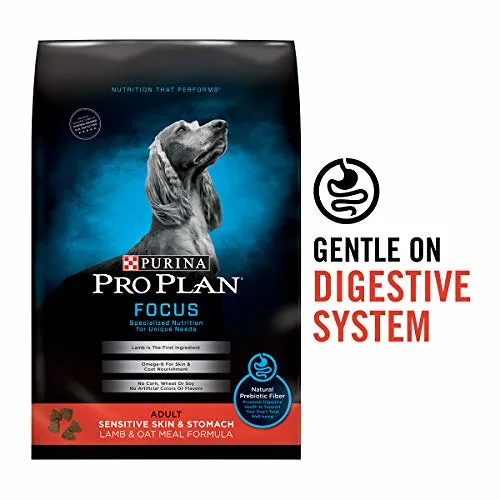
Dog food for sensitive stomachs
Ideal Scenarios for Pedigree Formulas
Pedigree shines as a practical and affordable choice for owners seeking a reliable, everyday dog food. It’s an excellent option for perfectly healthy dogs with no specific dietary issues, where the primary goal is to provide complete and balanced nutrition without a hefty price tag. This brand is ideal for pet owners on a budget who still want to feed their dogs a recognized brand that meets nutritional standards.
If you have multiple dogs, or a particularly large breed with high food consumption, Pedigree’s cost-effectiveness can make a significant difference in your monthly pet care budget. It’s also suitable for owners who value convenience and can easily purchase their dog’s food from local supermarkets or general retailers during their regular shopping trips. For a sound, basic diet for a generally healthy dog, Pedigree delivers.
Common Mistakes When Choosing Dog Food
When trying to select the best food for your canine companion, several common pitfalls can lead to suboptimal choices. One of the biggest mistakes is simply choosing the cheapest option or the one with the most appealing packaging, without considering the actual nutritional content. Equally problematic is falling for marketing buzzwords without understanding what they mean; for example, “natural” or “holistic” don’t always equate to superior nutrition or digestibility for every dog.
Another frequent error is switching foods too rapidly. Dogs’ digestive systems can be sensitive, and a sudden change can lead to vomiting, diarrhea, or loss of appetite. This is why a slow transition over 7-10 days, gradually mixing the new food with the old, is usually recommended.
Owners also sometimes overlook the importance of a dog’s specific life stage (puppy, adult, senior) and activity level, feeding a food that’s not appropriately formulated for their current needs. This can lead to issues like improper growth in puppies or weight gain in less active adult dogs.
How to Transition to a New Dog Food Safely
Making a switch to a new dog food, whether it’s from Pedigree to a Purina specialized formula or vice versa, requires a thoughtful approach to avoid upsetting your dog’s digestive system. A sudden change can manifest as vomiting, diarrhea, or general digestive discomfort. The key is a gradual transition, allowing your dog’s gut bacteria to adjust to the new ingredients.
Start by mixing a small amount of the new food with your dog’s current food. Typically, this is about 25% new food and 75% old food for the first two to three days. If your dog tolerates this well, you can then increase the proportion of new food to about 50% for the next two to three days.
Continue this process, increasing the new food to 75% for another two to three days, until you are feeding 100% of the new food. Monitor your dog closely throughout this period for any signs of stomach upset. If you notice any adverse reactions at any stage, slow down the transition or revert to the previous ratio.
Expert Tips for Picking the Right Food
As you navigate the world of dog nutrition, leaning on expert advice can save you a lot of guesswork. One of the most crucial tips is to always check for the AAFCO statement on the dog food packaging. This statement confirms that the food has been formulated to meet the nutritional levels established by the Association of American Feed Control Officials for a specific life stage, such as growth (puppy), maintenance (adult), or all life stages.
For instance, a food labeled “complete and balanced for all life stages” is appropriate for most dogs, but a puppy-specific formula will have enhanced levels of certain nutrients critical for growth.
Another invaluable tip is to look beyond the brand name and examine the first few ingredients. These ingredients make up the largest percentage of the food. Ideally, you want to see a high-quality animal protein source (like chicken, beef, lamb, or fish) listed as one of the first ingredients.
Be aware of what is listed as a filler, such as corn or wheat, especially if your dog has shown signs of sensitivities. Finally, remember that every dog is an individual. What works perfectly for one might not for another, so paying close attention to your dog’s reaction to a food, their coat condition, energy levels, stool consistency, and overall demeanor, is your most reliable indicator of success.
If you ever have concerns about your dog’s diet or health, seeking advice from a veterinary nutritionist or your veterinarian is paramount for personalized guidance.
Your Veterinarian: Your Best Resource
When you’re in doubt about which dog food is best, whether it’s Purina, Pedigree, or any other brand, your veterinarian should be your first and most trusted resource. They have a comprehensive understanding of your dog’s individual health history, their breed predispositions, and any specific medical conditions they may have. A vet can recommend specific brands or formulas that align with your dog’s nutritional needs, taking into account factors like allergies, digestive issues, age, activity level, and any existing health problems.
Your vet can also help you interpret the complex labels and nutritional information found on dog food packaging. They can explain the significance of AAFCO statements, the role of different ingredients, and what “complete and balanced” truly means in practical terms for your pet’s health. Don’t hesitate to ask your vet about the foods you are considering.
They can provide unbiased, science-backed advice to help you make the most informed decision for your furry family member’s well-being, steering you away from potentially harmful or ineffective choices.
Common Mistakes When Choosing Dog Food
When trying to select the best food for your canine companion, several common pitfalls can lead to suboptimal choices. One of the biggest mistakes is simply choosing the cheapest option or the one with the most appealing packaging, without considering the actual nutritional content. Equally problematic is falling for marketing buzzwords without understanding what they mean; for example, “natural” or “holistic” don’t always equate to superior nutrition or digestibility for every dog.
Another frequent error is switching foods too rapidly. Dogs’ digestive systems can be sensitive, and a sudden change can lead to vomiting, diarrhea, or loss of appetite. This is why a slow transition over 7-10 days, gradually mixing the new food with the old, is usually recommended.
Owners also sometimes overlook the importance of a dog’s specific life stage (puppy, adult, senior) and activity level, feeding a food that’s not appropriately formulated for their current needs. This can lead to issues like improper growth in puppies or weight gain in less active adult dogs.
How to Transition to a New Dog Food Safely
Making a switch to a new dog food, whether it’s from Pedigree to a Purina specialized formula or vice versa, requires a thoughtful approach to avoid upsetting your dog’s digestive system. A sudden change can manifest as vomiting, diarrhea, or general digestive discomfort. The key is a gradual transition, allowing your dog’s gut bacteria to adjust to the new ingredients.
Start by mixing a small amount of the new food with your dog’s current food. Typically, this is about 25% new food and 75% old food for the first two to three days. If your dog tolerates this well, you can then increase the proportion of new food to about 50% for the next two to three days.
Continue this process, increasing the new food to 75% for another two to three days, until you are feeding 100% of the new food. Monitor your dog closely throughout this period for any signs of stomach upset. If you notice any adverse reactions at any stage, slow down the transition or revert to the previous ratio.
Expert Tips for Picking the Right Food
As you navigate the world of dog nutrition, leaning on expert advice can save you a lot of guesswork. One of the most crucial tips is to always check for the AAFCO statement on the dog food packaging. This statement confirms that the food has been formulated to meet the nutritional levels established by the Association of American Feed Control Officials for a specific life stage, such as growth (puppy), maintenance (adult), or all life stages.
For instance, a food labeled “complete and balanced for all life stages” is appropriate for most dogs, but a puppy-specific formula will have enhanced levels of certain nutrients critical for growth. Learn more about cat food for kittens for similar life-stage considerations.
Another invaluable tip is to look beyond the brand name and examine the first few ingredients. These ingredients make up the largest percentage of the food. Ideally, you want to see a high-quality animal protein source (like chicken, beef, lamb, or fish) listed as one of the first ingredients.
Be aware of what is listed as a filler, such as corn or wheat, especially if your dog has shown signs of sensitivities. Finally, remember that every dog is an individual. What works perfectly for one might not for another, so paying close attention to your dog’s reaction to a food, their coat condition, energy levels, stool consistency, and overall demeanor, is your most reliable indicator of success.
If you ever have concerns about your dog’s diet or health, seeking advice from a veterinary nutritionist or your veterinarian is paramount for personalized guidance.
Your Veterinarian: Your Best Resource
When you’re in doubt about which dog food is best, whether it’s Purina, Pedigree, or any other brand, your veterinarian should be your first and most trusted resource. They have a comprehensive understanding of your dog’s individual health history, their breed predispositions, and any specific medical conditions they may have. A vet can recommend specific brands or formulas that align with your dog’s nutritional needs, taking into account factors like allergies, digestive issues, age, activity level, and any existing health problems.
Your vet can also help you interpret the complex labels and nutritional information found on dog food packaging. They can explain the significance of AAFCO statements, the role of different ingredients, and what “complete and balanced” truly means in practical terms for your pet’s health. Don’t hesitate to ask your vet about the foods you are considering.
They can provide unbiased, science-backed advice to help you make the most informed decision for your furry family member’s well-being, steering you away from potentially harmful or ineffective choices. For example, they might discuss food options for specific feline health issues. Find out about cat food for anemic cats if you have a feline companion with health concerns.
Frequently Asked Questions
Is Purina better than Pedigree for puppies?
Purina offers specific puppy formulas under brands like Pro Plan and ONE that are designed with the rapid growth and development needs of puppies in mind, often featuring higher protein and calorie counts. Pedigree also has puppy formulas that meet AAFCO standards for growth, providing essential nutrients at a more budget-friendly price. The best choice depends on the puppy’s specific breed size, energy level, and any potential sensitivities.
Can one brand cause allergies while the other does not?
Yes, it’s possible. Allergies in dogs are often triggered by specific protein sources or other ingredients. If a dog is allergic to chicken, and Pedigree’s primary protein is chicken by-product meal, they might react.
Conversely, if a Purina formula uses lamb as its primary protein and the dog is not allergic to lamb, it might be a suitable alternative. Reading ingredient lists carefully is essential if your dog has known allergies. For instance, best dry cat food for cats with no teeth involves understanding specific ingredient textures.
How do the prices typically compare between Purina and Pedigree?
Generally, Pedigree is positioned as a more affordable, mass-market brand, making it a budget-friendly option for many owners. Purina, especially its higher-tier lines like Pro Plan, tends to be more expensive, reflecting more advanced research, specialized ingredients, and potentially stricter quality control measures. The cost difference can be substantial, particularly for large breeds that consume more food.
Are there any significant recalls common to either brand?
Both large brands have experienced recalls over their histories, which is not uncommon in the pet food industry due to potential contamination or quality control issues. Recalls are typically related to specific product batches rather than an entire brand’s production. It’s always wise to stay informed about current pet food recalls and check manufacturer websites or reliable news sources if you have concerns about a specific product you may be feeding.