What Is Dehydrated Dog Food 2026
If you’ve ever scrolled through dog food aisles or online pet stores, you've likely seen the growing options beyond classic kibble. Dehydrated dog food is one such option that's gaining serious traction among pet parents looking for more natural and nutritious choices for their canine companions. It's not kibble, and it’s not quite fresh food either, sitting in a unique category that offers a blend of benefits.
Our research indicates that dehydrated dog food starts with whole food ingredients, much like the food you might prepare yourself, but undergoes a low-heat process to remove moisture. This gentle method locks in nutrients and flavor, making it appealing to dogs and easier for owners to manage than raw or fully fresh diets. As of 2026, this food type is recognized for its nutrient preservation capabilities, with many manufacturers citing moisture content typically around 10-15%.
Quick Answer
Dehydrated dog food is a type of pet food made from whole, raw ingredients like meat and vegetables that have had most of their moisture removed through a gentle dehydration process. This method retains nutrients and flavor, and the food typically requires rehydration with water before serving. It offers a balance between the convenience of dry kibble and the ingredient quality of fresh diets.
How Dehydrated Dog Food Works
Dehydrated dog food stands apart because of its unique how-it's-made process. It begins with carefully selected, high-quality raw ingredients, including real meats, fruits, and vegetables. These components are then subjected to a slow dehydration process, which uses low heat and airflow to evaporate water over an extended period.
This is fundamentally different from the high-heat extrusion process used for kibble, which can compromise some of the raw ingredients' natural nutrient profiles.
The goal of dehydration is to preserve the integrity of the original ingredients. This means that the vitamins, minerals, enzymes, and natural flavors are less likely to be degraded compared to other cooking methods. The result is a shelf-stable product that, when dry, is dense with nutrition.
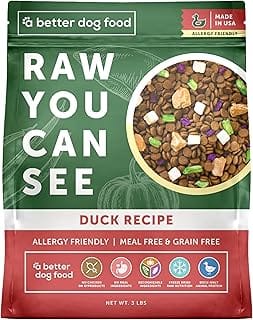
You'll often find this food in small, hard pieces, similar in appearance to kibble, but the key difference lies in its preparation and composition.
What's Actually Inside Dehydrated Dog Food?
When you look at a bag of dehydrated dog food, you're generally seeing a concentrated form of whole foods, with the water content significantly reduced. The primary ingredients are usually protein sources, such as chicken, beef, lamb, or fish. These are often listed first on the ingredient panel, indicating they are the most abundant component.
Beyond the protein, you'll commonly find a variety of fruits and vegetables. Think things like sweet potatoes, peas, carrots, apples, and blueberries. These additions provide essential vitamins, minerals, fiber, and antioxidants.
Some formulations may also include healthy fats, such as flaxseed or coconut oil, which are important for skin and coat health, as well as joint support.
Crucially, many dehydrated dog foods are formulated without artificial preservatives, colors, or flavors. The dehydration process itself acts as a natural preservative. However, formulations can vary, and it's always a good idea to check the specific ingredient list for your chosen brand to ensure it aligns with your preferences and your dog's dietary needs.
Dehydrated Dog Food: The Good and The Not-So-Good
Like any dietary choice, dehydrated dog food has its strengths and its downsides. Understanding these can help you decide if it’s the right path for your canine companion.
Benefits for Your Dog and You
Our research highlights several key advantages that make dehydrated dog food a popular choice:
- High Nutrient Retention: The low-heat dehydration process is excellent at preserving the natural vitamins, minerals, and enzymes found in raw ingredients. This means your dog is getting more of the beneficial compounds present in the food.
- Improved Digestibility: Many owners report that their dogs experience fewer digestive issues, such as gas or loose stools, when fed dehydrated food. This is often attributed to the whole-food ingredients and simpler processing, which can be easier for a dog's system to break down.
- Exceptional Palatability: The natural, concentrated flavor of dehydrated food is a huge hit with dogs, including picky eaters. The aroma and taste are often more appealing than highly processed kibble, encouraging consumption.
- Long Shelf Life & Pantry Storage: Once opened and properly stored (usually in an airtight container), dehydrated dog food maintains its quality for an extended period, typically several months. This beats the refrigeration needs of fresh food or the limited shelf life of opened wet food.
- Convenience: While it requires adding water, this step is simple and quick. It’s far less involved than preparing raw meals or dealing with the mess of some fresh food options, offering a good balance of quality and ease.
Potential Downsides to Consider
It's not all perfect, and there are a few factors to weigh:
- Cost: Dehydrated dog food is typically more expensive than traditional kibble. The cost reflects the higher quality of ingredients and the specialized, low-heat processing involved.
- Rehydration Requirement: You must add water to the food before serving. While easy, this adds an extra step to mealtime and means you can't just open a bag and pour for immediate feeding, which might be a concern for sudden meal needs.
- Transition Period: As with any significant diet change, switching to dehydrated food requires a gradual transition over 7-10 days to avoid digestive upset. This means you’ll be using both old and new food for a period.
Dehydrated vs. Other Dog Foods: A Side-by-Side Look
To truly grasp where dehydrated dog food fits in, it helps to compare it directly against the other common types of dog food. Each has its own set of characteristics that might make it a better or worse fit depending on your dog's needs and your lifestyle.
Dehydrated vs. Kibble
Kibble, or dry dog food, is the most common type. It’s made by extruding a mixture of ingredients under high heat and pressure, creating hard, dry pellets.
- Ingredients: Kibble often uses rendered meats, grains, and fillers. Dehydrated food uses whole, recognizable ingredients.
- Processing: Kibble is highly processed at high temperatures. Dehydrated food uses low-heat, slow drying.
- Moisture: Kibble has very low moisture (around 10%), requiring dogs to drink more water. Dehydrated food also starts low but needs water added.
- Nutrient Preservation: High heat in kibble can degrade some nutrients. Dehydration aims to preserve more of the original nutrient profile.
- Palatability: Kibble's flavor can be less appealing to some dogs. Dehydrated food generally has a stronger, more enticing natural flavor.
- Cost: Kibble is typically the most budget-friendly option. Dehydrated food is usually mid-to-high priced.
Dehydrated vs. Wet Food
Wet food, typically sold in cans or pouches, has a high moisture content.
- Moisture: Wet food is about 70-80% water, while dehydrated food is about 10-15% initially.
- Texture: Wet food is soft and moist. Dehydrated food is dry and crumbly, requiring rehydration to achieve a softer texture.
- Shelf Life (Opened): Opened wet food must be refrigerated and used within a few days. Opened dehydrated food lasts much longer in the pantry.
- Ingredients: Both can use quality ingredients, but wet food often contains broths and binders that dehydrated food generally avoids.
- Dental Health: The texture of kibble is sometimes cited for dental benefits, though this is debated. Neither wet nor dehydrated food offers significant dental cleaning action on their own.
Dehydrated vs. Fresh/Raw Food
Fresh and raw diets are often considered the pinnacle of natural canine nutrition but come with their own set of considerations.
- Ingredients: All three aim for high-quality, whole ingredients.
- Processing: Dehydrated food undergoes processing (dehydration). Fresh and raw diets are typically uncooked or minimally processed.
- Preparation: Dehydrated food requires adding water. Fresh food requires thawing and serving. Raw food requires thawing and careful handling to avoid bacterial contamination.
- Shelf Life: Dehydrated food is long-lasting in the pantry. Fresh food requires refrigeration and has a shorter lifespan once prepared. Raw food also requires strict temperature control and has a limited shelf life.
- Safety: Dehydration significantly reduces bacterial load compared to raw. However, all food types require careful handling. Strict temperature control and handling protocols are critical for raw.
- Convenience: Dehydrated food offers convenience over raw in terms of handling and storage. Fresh food preparation can also be more involved than just adding water.
Who Is Dehydrated Dog Food Best For?
Dehydrated dog food isn't a universal "best" for every dog, but it shines for specific needs and owner preferences. If you're looking for a higher-quality food that bypasses the intensive processing of kibble and the complex meal prep of fresh or raw diets, dehydrated options are a strong contender.
Ideal for Picky Eaters
Many dog owners grapple with dogs who are famously selective eaters. If your dog frequently turns their nose up at their food, seems bored with their meals, or holds out for high-value treats, the intensified natural aroma and flavor of dehydrated dog food can be a game-changer. The concentrated essence of the real meat and ingredients mimics the appeal of their ancestral diet, making mealtime more exciting and ensuring they get the nutrition they need.
Aggregate reviews indicate that this is one of the most common reasons owners switch to dehydrated options.
A Lifesaver for Sensitive Stomachs
Dogs with sensitive stomachs can be a real challenge to feed. If your pup experiences regular digestive upset, such as gas, bloating, or diarrhea, the whole-food, minimally processed nature of dehydrated diets often proves beneficial. By avoiding common fillers, artificial additives, and the high-heat processing that can create harder-to-digest compounds found in some kibbles, dehydrated foods can be gentler on their digestive system.
They provide concentrated nutrition without taxing a delicate system.
For Owners Seeking Quality Without Raw Hassles
For many, the appeal of fresh or raw diets is their presumed nutritional superiority and natural composition. However, the practicalities of preparing, storing, and handling raw food, including the risk of bacterial contamination, can be daunting or simply not feasible for busy households. Dehydrated dog food offers a compelling middle ground.
It provides the benefits of whole, recognizable ingredients and a gentle processing method, but with the long shelf life and simpler preparation (just add water) that pantries and busy schedules can accommodate. It delivers much of the "fresh food quality" without the week-to-week prep and stringent food safety protocols required for raw diets.
Common Mistakes When Choosing or Using Dehydrated Food
Even with the best intentions, owners can sometimes stumble when adopting dehydrated dog food. One frequent error is not adequately hydrating the food before serving. Dry, dehydrated kibble pieces can be hard for dogs to chew and digest properly, potentially leading to choking hazards or gastrointestinal upset.
Always ensure you're adding the manufacturer's recommended amount of water and allowing adequate time for it to rehydrate fully.
Another pitfall is switching too rapidly. Just like humans, dogs can experience stomach upset if their diet changes abruptly. A sudden shift from kibble or wet food to dehydrated food without a gradual transition can lead to vomiting or diarrhea.
It’s advisable to mix small amounts of the new food with the old, gradually increasing the proportion of the new food over 7 to 10 days. Don't confuse dehydrated dog food with air-dried treats, which are often used for training but don't typically provide complete and balanced nutrition as a meal.
The Cost of Quality: What to Expect
When you look at the price tag for dehydrated dog food, it's often higher than standard kibble. This difference in cost is largely due to the quality of ingredients used and the gentle, time-intensive processing method. Manufacturers typically start with premium proteins and fresh produce, which are inherently more expensive than the rendered meals and grains found in many budget kibbles.
The dehydration process itself also adds to the cost. It requires specialized equipment and involves longer processing times than the high-heat extrusion used for kibble. This focus on preserving nutrients and flavor without harsh processing means you're paying for a more nutrient-dense and palatable product.
While the upfront cost may seem higher, owners often find that many dogs require smaller portion sizes due to the food's density, potentially balancing out the expense over time. As of 2026, pricing varies significantly by brand, but expect to see prices generally ranging from $4 to $8 per pound, depending on the protein source and brand reputation.
Making the Switch: How to Transition Your Dog
Transitioning your dog to a new food, especially one with a different texture and composition like dehydrated dog food, requires a careful approach. The general guideline is a 7- to 10-day transition period. This allows your dog's digestive system to adapt gradually, minimizing the risk of upset.
Here’s a common strategy:
- Days 1-3: Start by mixing 75% of their old food with 25% of the new dehydrated food (after rehydrating it).
- Days 4-6: Increase the ratio to 50% old food and 50% new dehydrated food.
- Days 7-9: Shift to 25% old food and 75% new dehydrated food.
- Day 10 onwards: Feed 100% dehydrated dog food.
During this transition, monitor your dog for any signs of digestive distress. If you notice any issues, slow down the transition process, maintaining the previous ratio for a few extra days before proceeding. It's always a good practice to consult with your veterinarian before making significant dietary changes, especially if your dog has pre-existing health conditions.
Is Dehydrated Dog Food the Right Choice for Your Pup?
So, after breaking down what dehydrated dog food is, how it works, and how it stacks up, the big question remains: is it the best fit for your furry friend? The answer hinges on your dog's individual needs and your own preferences as a pet parent.
If your dog struggles with allergies or sensitivities, is a picky eater, or if you’re aiming for a diet with high-quality, recognizable ingredients without the complexities of raw feeding, dehydrated food presents an excellent option. It offers a potent blend of nutrition and flavor with greater convenience than fresh or raw diets. For owners seeking to avoid heavily processed foods and support their dog's well-being with nutrient-dense meals, this food type is definitely worth serious consideration.
Frequently Asked Questions
How long does dehydrated dog food last after opening?
Once opened and stored properly in an airtight container in a cool, dry place, most dehydrated dog foods maintain their quality for approximately 3 to 6 months. Always check the specific manufacturer's recommendations on the packaging, as this can vary.
Do I have to rehydrate dehydrated dog food?
Yes, rehydration is a necessary step for most dehydrated dog foods. The process involves adding a specific amount of warm water, stirring, and letting it sit for a few minutes until the pieces soften and absorb the moisture. This makes the food digestible and palatable for your dog.
Is dehydrated dog food as nutritious as fresh food?
Dehydrated dog food is designed to retain a high percentage of the nutrients from its whole-food ingredients due to the low-heat processing. While fresh food proponents might argue raw is always superior, well-formulated dehydrated foods offer excellent nutritional value that can be comparable or even superior to some fresh options, especially considering nutrient retention and the avoidance of spoilage.
Can I use dehydrated dog food for a puppy?
Yes, many dehydrated dog food brands offer formulas specifically designed for puppies, which are often higher in calories and key nutrients like calcium and phosphorus to support growth. Always ensure the formula you choose is labeled as complete and balanced for puppies, and consult your veterinarian.