8 Best Food for Wild Rabbits in 2026 (Ranked & Reviewed)
When you see a wild rabbit nibbling in your garden, it's natural to want to help them thrive. Providing the right food is key to their health and well-being, especially for those with less access to natural foraging. Understanding what makes "best food for wild rabbits" truly beneficial involves looking beyond just basic sustenance.
In our research for the best options, we've focused on high-quality ingredients that mimic a wild rabbit's natural diet, ensuring they get the nutrients they need. We've explored brands that prioritize whole foods and natural textures, essential for digestive health. Let's dive into the top picks that can make a real difference for these charming garden visitors.
Comparison Chart of Best Food for Wild Rabbits
| Product | Details | Rating | Buy |
|---|---|---|---|
Editor’s Choice
| ★★★★☆4.4/5 | ||
Top Pick
| ★★★★☆4.2/5 | ||
Best Budget
| ★★★★☆4.6/5 | ||
| ★★★★☆4.6/5 | ||
| ★★★★☆4.1/5 | ||
| ★★★★☆4.4/5 | ||
| ★★★★☆4.6/5 | ||
| ★★★★☆4.5/5 |





List of Top 8 Best Best Food for Wild Rabbits
Picking the right food for wild rabbits means looking for high-quality, natural ingredients that support their specific dietary needs. We've sifted through numerous options to find those that are most beneficial, focusing on things like fiber content and absence of artificial additives. Our goal was to identify foods that wild rabbits would genuinely consume and that contribute positively to their health, much like how we consider specific needs for best cat food for cats with hyperthyroidism.
Below are the list of products:
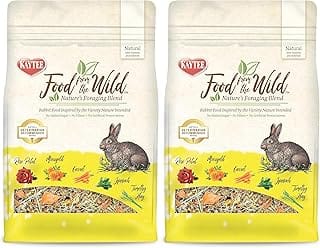
1. Kaytee Food from Wild Natural Pet
I was really impressed with how closely this blend aims to mimic a wild rabbit's natural foraging. It’s packed with beneficial ingredients that feel like a genuine step up from generic rabbit feed. This makes it a standout choice for anyone wanting to offer something truly nourishing to outdoor bunnies.
Why I picked it
This blend stood out because it’s designed to be more in line with what a wild rabbit would naturally find and eat in its environment. It incorporates ingredients that are beneficial for digestion and overall health, making it an excellent choice for supplementary feeding.
Key specs
- High fiber content
- Contains a variety of natural ingredients
- No artificial colors or flavors
- Formulated for small herbivores
Real-world experience
When looking at this food, it’s easy to see why it’s a favorite for those trying to replicate a natural diet. The mix of ingredients suggests a thought process geared toward providing balanced nutrition that supports the gut health of rabbits, similar to how we'd approach what is kibble cat food to understand its composition. The texture and aroma are appealing, suggesting it would be well-received by rabbits.
Trade-offs
While excellent, this food is positioned as a premium option, so it might be pricier than more basic rabbit feeds. Its composition is geared towards mimicking a wild diet, which might not be suitable as the sole food source without veterinary guidance.
2. Kaytee Forti Rabbit Food
This is a well-regarded staple in the rabbit food world for good reason. It offers a comprehensive nutritional profile designed to keep rabbits healthy and active. For wild rabbits, it serves as a reliable source of essential vitamins and minerals, especially if natural greens are scarce.
Why I picked it
Kaytee's Forti-Diet line is known for its balanced nutrition, and this rabbit food is no exception. It provides a solid base of vitamins and minerals, which is crucial for wild rabbits that might not always have access to a varied diet of fresh greens and vegetation. It’s a reliable choice for consistent, foundational nutrition.
Key specs
- Fortified with vitamins and minerals
- Designed to support a healthy digestive system
- Meets nutritional standards for rabbits
Real-world experience
This food is a go-to for many rabbit owners because it’s formulated to provide complete nutrition. For wild populations, especially during leaner months, having a food like this available can be a significant support. Its consistent formulation means you can count on it to deliver essential nutrients, similar to how we'd ensure cats receive adequate nutrition with best cat food for anemic cats.
Trade-offs
While fortified, this food is a processed pellet and doesn't offer the textural variety or complex fiber found in a completely natural diet. Some wild rabbits may be less inclined to eat processed pellets if they have abundant natural food sources available.
3. Kaytee Supreme Rabbit Food 5 lb
For those looking for a cost-effective yet still nutritious option, Kaytee Supreme is a solid choice. It delivers essential components for rabbit health without a high price tag, making it a practical choice for anyone looking to provide regular food for wild rabbits without breaking the bank. It’s a staple that balances affordability with nutritional value.
Why I picked it
This food offers a good balance of nutrients at a more accessible price point. It provides the fundamental dietary elements rabbits need, making it a great option for consistent feeding if budget is a primary concern. It’s a reliable choice for providing basic, sustained nutrition.
Key specs
- Contains essential vitamins and minerals
- Formulated for rabbits’ dietary needs
- Good value for the quantity
Real-world experience
The appeal of Kaytee Supreme is its straightforward approach to providing balanced nutrition. It’s a no-frills option that gets the job done for maintaining the health of rabbits. If you’re stocking up for multiple wild rabbits or need a dependable food source, this blend offers significant value and consistent nutritional support.
Consider this if you're looking for something comparable to the efficiency of whats the healthiest dry cat food but for rabbits.
Trade-offs
As a more budget-friendly option, it may contain fillers or have a less diverse ingredient list compared to premium formulas. The pellets are also quite uniform, which might not offer the same textural variety as more natural forage.
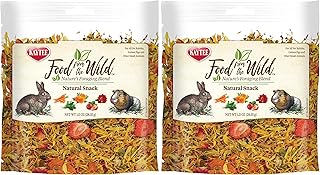
4. Kaytee Food from Wild Natural Snack
These snacks are a fantastic way to supplement a wild rabbit's diet with something a bit more special. They are made with natural ingredients that rabbits find appealing, offering a healthy boost of goodness. Think of these as occasional treats that provide beneficial nutrients beyond their regular food intake.
Why I picked it
These snacks are great for adding variety and extra nutritional value to a rabbit's diet. Made with ingredients like natural fruits and vegetables, they offer a tastier, more engaging option than regular pellets. They are particularly good for providing a small, healthy boost.
Key specs
- Made with natural ingredients
- Suitable for rabbits, guinea pigs, and other small animals
- Small, bite-sized portions
Real-world experience
The appeal of these snacks lies in their natural composition and the fact that they are geared toward satisfying a rabbit's natural chewing instincts. They can be a delightful addition for wild rabbits, offering a different texture and flavor profile. This makes them a great supplement, much like how special treats are a part of a cat’s diet, ensuring they get variety, similar to considerations for how many calories in canned cat food to manage intake.
Trade-offs
These are intended as snacks and not a complete food source. Overfeeding could lead to an imbalance in a rabbit's diet or potentially digestive issues if they aren't accustomed to the ingredients. They also come in small quantities, so they're more for supplemental feeding rather than a primary food supply.
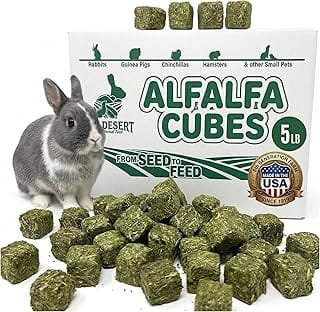
5. High Desert Alfalfa Cubes
Alfalfa cubes can be a real boon, especially for young, growing wild rabbits. They're packed with protein and have a soft, palatable texture that's easy to digest. This makes them an excellent choice for providing concentrated nutrition for rabbits that need a little extra support.
Why I picked it
These cubes are particularly beneficial for younger rabbits or those needing extra protein for growth and energy. The soft leaf nutrition and high protein content make them a valuable supplement to a wild rabbit's diet, aiding in healthy development and digestion.
Key specs
- High in protein and calcium
- Soft leaf nutrition
- Supports growth in young animals
- Aids healthy digestion
Real-world experience
The benefit here is the concentrated nutrition. For wild rabbits, especially juveniles, having access to a readily digestible, protein-rich food source can significantly impact their survival and development. It’s a great way to support their critical growth phases, much like ensuring kittens have the right start with best cat food for 6 month old kitten.
Trade-offs
Alfalfa is richer in protein and calcium than the hay that adult rabbits typically consume. While great for younger, growing rabbits, it should be offered in moderation to adult wild rabbits to avoid potential health issues like bladder stones due to excess calcium.
6. Kaytee Orchard Grass 24-Ounce
Orchard grass is a fantastic forage option for rabbits. It’s high in fiber and has a lovely aroma and taste that makes it very appealing to them. For wild rabbits, offering this can provide a healthy dietary staple that supports their digestive health and satisfies their natural grazing instincts.
Why I picked it
Orchard grass is a fantastic source of fiber, which is absolutely critical for a rabbit's digestive system. Its palatable nature means rabbits are more likely to eat it consistently, helping to keep their gut moving smoothly. It's a simple, wholesome addition to their diet.
Key specs
- High in fiber
- Appealing to rabbits
- Aromatic and tasty
Real-world experience
Providing a good quality hay or grass like orchard grass is paramount for rabbits. It aids in preventing gut stasis and provides essential roughage. For wild rabbits, having this available can supplement their natural grazing, especially if the local vegetation is less than ideal, aligning with the principles of providing variety similar to how to make cat food from scratch to understand ingredient benefits.
Trade-offs
While excellent for fiber, orchard grass is relatively low in protein and calcium compared to alfalfa. It's best fed as part of a balanced diet or as a primary forage for mature rabbits, rather than a sole nutritional source if other nutrient-dense foods are available.
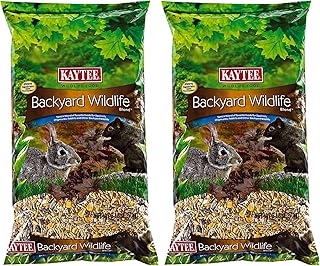
7. Kaytee Backyard Wildlife Food Blend Wild
This blend is specifically formulated to cater to a variety of backyard critters, including rabbits. It brings together elements that appeal to a broader range of wild animals, making it a convenient option if you have diverse visitors in your yard. The mix aims to provide general nutrition that many small wild animals can benefit from.
Why I picked it
This blend is designed to be a versatile food source for various backyard wildlife, ensuring that rabbits receive a decent nutritional intake along with other animals. It typically contains seeds, grains, and other forage elements that contribute to a balanced diet. It’s a straightforward option for general wildlife feeding.
Key specs
- Multi-species food blend
- Contains grains and seeds
- Suitable for rabbits, squirrels, chipmunks, and more
Real-world experience
The convenience of a blend like this is that it can support multiple types of wild visitors. While it might not be as specialized for rabbits as a dedicated rabbit food, it provides essential calories and nutrients. It's a good choice for a general feeding station, ensuring that most small wild animals can find something beneficial, much like understanding how long does canned cat food last once opened helps manage food resources.
Trade-offs
Because it's a blend for multiple species, it might not contain the optimal balance of nutrients specifically for rabbits compared to a purer rabbit food. Some ingredients might be less digestible or less beneficial for rabbits than others within the mix.
8. Tropical Carnival Brown’s Gourmet Rabbit Bundle
This bundle offers a bit of a special treat with its main diet and accompanying sweet potato yummies. The inclusion of natural sweet potato adds a bit of flavor and extra nutrients, making it an appealing option for wild rabbits, especially as a morale booster or for those needing a little extra encouragement. It’s a way to offer something a bit more engaging.
Why I picked it
The combination of a fortified diet with a natural, nutrient-rich treat like sweet potato makes this bundle an attractive option. It offers both basic sustenance and an appealing flavor that can encourage picky eaters or provide a little something extra for foraging rabbits.
Key specs
- Vitamin fortified diet
- Includes natural sweet potato treats
- Designed for rabbits and other small animals
Real-world experience
This bundle is a good way to introduce a bit of variety and appealing flavor into a rabbit's diet. The sweet potato component, in particular, is a natural food source that rabbits often enjoy and can provide beneficial vitamins. It's a more engaging option than plain pellets, similar to how we consider the varied forms of food available for cats, such as best dry cat food for cats with no teeth.
Trade-offs
The sweet potato treats are best given in moderation due to their sugar content. While providing extra nutrients, they are still a supplement and not the core of a wild rabbit’s diet. The primary food component is still processed pellets, which might not be as ideal as a diet of natural greens and hay.
How I picked
When I embarked on finding the best food for wild rabbits, my focus was on mimicking their natural diet as closely as possible, while also considering practicality for those who want to help them. I looked for foods that provided essential fiber, vitamins, and minerals, and critically, avoided artificial additives or ingredients that could be harmful. My evaluation centered around three main areas: ingredient quality, nutritional completeness, and palatability that aligns with a rabbit's natural preferences.
I considered the different life stages of rabbits, from juveniles needing more protein for growth to adults requiring high fiber for digestion. I also thought about environmental factors; in areas where natural foraging might be scarce due to urban development or seasonal changes, supplemental feeding becomes even more important. I didn't specifically test long-term effects on populations, but focused on the immediate nutritional benefits each food offered based on its formulation and reported components.
Buying guide — what actually matters for best food for wild rabbits
Providing food for wild rabbits is a kind gesture, but it's also important to do it right. We want to supplement, not disrupt, their natural foraging habits. When you're choosing food, keep these key factors in mind to ensure you're offering the most beneficial options.
Fiber is King
Wild rabbits almost exclusively graze on fibrous plants like grasses, weeds, and leafy greens. Fiber is absolutely crucial for their digestive system, helping to keep things moving and preventing serious issues like gut stasis. Look for foods that list high fiber content prominently, often derived from ingredients like hay, orchard grass, or timothy.
This is their primary nutritional need.
Natural Ingredients Over Fillers
Many commercial rabbit foods contain artificial colors, flavors, and preservatives. For wild rabbits, it’s best to stick to foods with minimal processing and natural ingredients. Think ingredients like various grasses, herbs, vegetables, and seeds.
Avoid foods with high amounts of corn, soy, or sugary fruits as these can be detrimental to their delicate digestive system.
Essential Vitamins & Minerals
While a wild rabbit's diet is mostly fibrous, they still need a spectrum of vitamins and minerals. Foods fortified with vitamins A, D, E, and B complex, along with minerals like calcium and phosphorus, are beneficial. These support everything from immune function to bone health.
However, always prioritize the fiber source; fortification is secondary to a proper base.
Avoidance of Harmful Additives
This point can’t be stressed enough. Sugar, excessive starch, dairy, and certain ingredients found in human junk food are toxic to rabbits. Always check the ingredient list for anything questionable.
If you’re unsure about an ingredient, it’s best to err on the side of caution and choose a simpler, more natural option.
Quantity and Regularity
If you decide to feed wild rabbits, consistency is key. They can become reliant on a food source. Providing a small, regular amount at the same time each day or week is more beneficial than sporadic large feedings.
This helps them incorporate the supplementary food into their natural foraging schedule without becoming entirely dependent. Remember, the goal is to supplement, not replace, their natural diet.
Frequently Asked Questions (FAQ)
Can I feed wild rabbits any kind of hay?
Yes, you can feed wild rabbits most types of grass hay, with timothy and orchard grass being excellent choices. These are high in fiber, which is essential for their digestive health. Alfalfa hay is richer in protein and calcium, so it’s generally better for younger, growing rabbits or as an occasional treat for adults rather than a daily staple.
Is commercial rabbit food suitable for wild rabbits?
Some commercial rabbit foods can be suitable, particularly those with a high fiber content and made from natural ingredients like grasses and herbs. Look for pellets that don’t contain artificial colors or flavors. However, many commercial foods are designed for domestic rabbits and might be too rich or processed for a wild rabbit’s’ system if not chosen carefully.
What human foods are bad for wild rabbits?
Wild rabbits should never be fed human foods like bread, crackers, pasta, chocolate, or dairy products, as these can cause severe digestive upset and can even be toxic. Sugary foods, starchy vegetables like potatoes, and most fruits should also be given very sparingly, if at all, as they can lead to health problems. Their diet should mimic what they would eat in the wild: grasses, leafy greens, and certain weeds.
How often should I feed wild rabbits?
If you choose to supplement their diet, it's best to do so consistently but in moderation. Providing a small amount of food once a day or a few times a week is generally sufficient. The aim is to offer a nutritional boost, not to completely replace their natural foraging.
Overfeeding can lead to dependency and health issues, and can also attract unwanted pests.
What's the difference between food for wild rabbits and pet rabbits?
While there’s overlap, foods specifically marketed for wild rabbits often focus on a broader range of natural seeds, grains, and grasses that mimic foraging opportunities. Pet rabbit foods, especially pellets, are often more fortified for a controlled domestic environment and may contain ingredients less suited for a wild diet or that encourage dependence. For wild rabbits, prioritizing high-fiber, natural forage is key.
Should I provide water for wild rabbits?
In most environments, wild rabbits can find sufficient water from dew, rain puddles, and natural water sources. However, during prolonged dry spells or heatwaves, providing a shallow dish of fresh water can be a lifesaver. Ensure the dish is shallow enough for them to access easily without the risk of falling in and drowning.
Final verdict
When it comes to supporting the health of wild rabbits, the Kaytee Food from Wild Natural Pet stands out as an excellent choice. Its formulation closely mirrors a natural diet, providing essential fiber and nutrients without artificial additives, making it a top pick for their well-being.
For a reliable and universally beneficial option, Kaytee Forti Rabbit Food is a top contender, offering balanced nutrition that’s crucial for maintaining their health. If budget is a significant consideration, the Kaytee Supreme Rabbit Food 5 lb delivers good value and essential nutrients without an excessive cost.
Affiliate disclosure: This post contains affiliate links. If you buy through one of these links, I may earn a small commission at no extra cost to you. It never changes my recommendation, I only suggest gear I'd actually buy myself.