Do You Put Bird Food in a Birdhouse 2026
So, you’ve spotted a charming birdhouse and you’re wondering if it’s time to fill it with treats. It’s a common question for anyone looking to help out their backyard birds. The short answer is that, generally, you shouldn’t put bird food inside a birdhouse.
Birdhouses are designed as nesting homes, not as dining halls, and putting food inside can often create more problems than it solves.
While birdhouses offer vital shelter for nesting and roosting, manufacturer specifications for most birdhouses, like those designed for chickadees, emphasize ventilation and drainage to keep the interior safe for nesting. They aren’t built to store food, which can quickly spoil or attract unwanted pests. Let’s explore why this distinction is so important for bird safety and well-being, and what you should do instead.
Image source: Openverse / Miiruuku
Quick Answer: Should You Put Food Inside a Birdhouse?
No, you should not put bird food inside a birdhouse. Birdhouses are for nesting and shelter only. Food placed inside can spoil, attract pests like rodents and ants, and harm birds.
Always use designated bird feeders for food.
Birdhouses: Their Real Purpose (Spoiler: Not a Buffet)
A birdhouse is essentially a pre-fabricated home for birds, offering a safe, enclosed space away from predators and harsh weather. Think of it as a snug little apartment building for feathered families. Its primary function is to provide a secure environment for birds to build their nests, lay eggs, and raise their young.
Some birdhouses are built to specific dimensions to attract certain species, like wrens or bluebirds, guiding them to choose this particular structure for their breeding activities. For example, a typical chickadee house might be approximately 4×4 inches internally with a 1 1/8-inch entrance hole, a size dictated by the bird’s needs for safety during nesting.
The design prioritizes features that support nesting success, such as proper ventilation to prevent overheating and drainage holes to keep the interior dry. These elements are critical for the survival of eggs and chicks. Therefore, adding food inside would disrupt this delicate ecosystem.
It can attract insects that might prey on young birds or compete for space, and it can also become a source of mold and bacteria if it gets wet, posing a significant health risk to the inhabitants.
When Food Might Be Considered (And Why It’s Still Tricky)
While the general rule is a firm “no” for food inside nesting birdhouses, there’s a slight nuance to consider when the nesting season is long over and the house is empty. Some people wonder if offering a little something inside during the off-season, when birds might use the birdhouse for shelter or roosting, could be beneficial.
Off-Season Roosting: A Tiny Snack?
During colder months, empty birdhouses can serve as valuable roosting spots, offering birds a safe haven from wind, rain, and snow. The idea behind placing a tiny amount of dry food, like a few unsalted sunflower seeds or small suet pellets, just inside the entrance hole or on the floor is to provide a quick energy boost for birds using it as a temporary shelter. This could be particularly helpful during severe cold snaps.
However, even in this scenario, it’s often not the best approach. The food can still spoil, especially if it becomes damp from condensation within the birdhouse. It can also still attract rodents, ants, or other scavengers, which can then become a problem when nesting season returns.
Why Food Indoors Often Backfires
The primary reason to avoid putting food inside, even in the off-season, is that birdhouses are not designed for food storage. They lack the proper mechanisms for ventilation and easy cleaning that dedicated bird feeders possess. This means any food left inside is prone to contamination and can become a breeding ground for germs.
Moreover, birds are generally excellent at finding food sources in their natural environment. Relying on a birdhouse for supplementary feeding is less effective and riskier than using a well-maintained feeder.
The Problems with Feeding Birds Inside Their Home
Putting food inside a birdhouse, whether it’s an active nest box or an empty shelter, introduces several significant problems that can negatively impact both the birds and your yard. These issues range from attracting unwanted visitors to creating unsanitary conditions that are detrimental to avian health.
Attracting Unwanted Guests
One of the biggest drawbacks of placing food inside a birdhouse is its potential to lure pests. What seems like a tasty morsel for a small bird can be an irresistible invitation to rodents like mice and rats, as well as ants and other insects. These unwelcome visitors can easily access the food within the confined space of the birdhouse.
Once they’ve found a reliable food source, they may decide to move in, bringing their own set of problems. Rodents can damage the birdhouse structure, and both rodents and insects can potentially harm nesting birds or their young by introducing diseases or even preying on them.
Mess, Mold, and Microbes
Bird food, especially if it contains fats like suet or seeds that can absorb moisture, is prone to spoilage. Inside the enclosed environment of a birdhouse, it can quickly become damp from condensation or rain that might blow in. This moisture, combined with decaying food particles, creates an ideal environment for mold and bacteria to grow.
As of 2026, research on avian health highlights the critical importance of hygiene in providing for wild birds; contaminated food sources can lead to serious illnesses, including salmonellosis, which is highly contagious and often fatal among bird populations. The buildup of mold and bacteria makes the birdhouse unsanitary, risking the health of any bird that uses it for shelter or nesting, and potentially creating a hazard for the broader local bird population.
Better Ways to Feed Your Feathered Friends
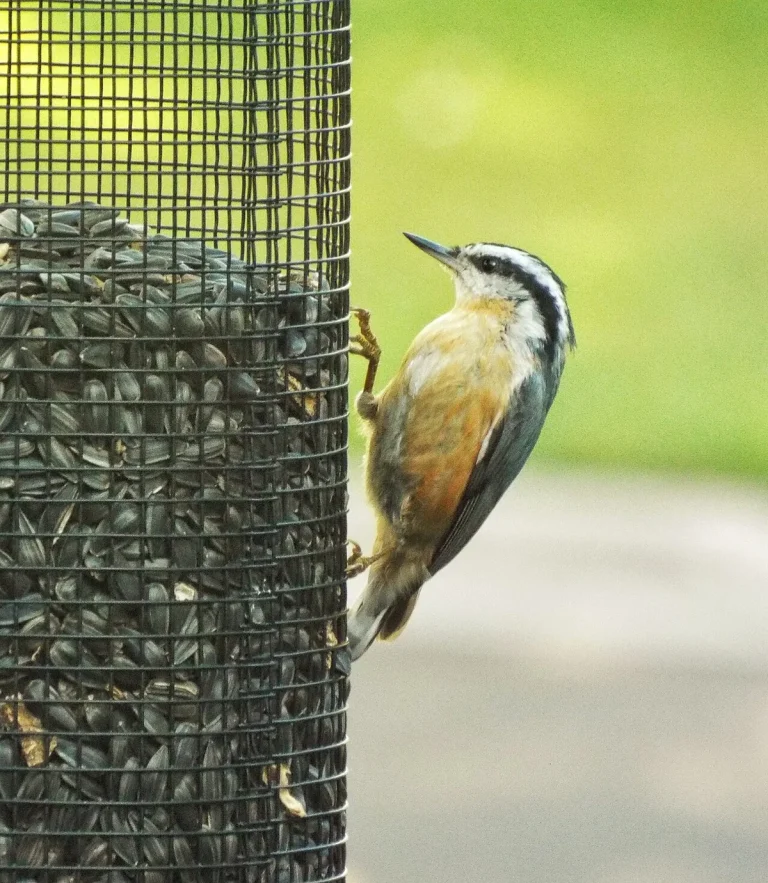
If your goal is to support your local bird population with food, the most effective and safest method is to use dedicated bird feeders. These structures are specifically designed for dispensing food, and they come in various types to cater to different bird species and food preferences. By choosing the right feeder and maintaining it properly, you can provide a reliable and healthy food source without the risks associated with feeding inside a birdhouse.
Image source: iNaturalist / Irene
Choosing the Right Bird Feeder
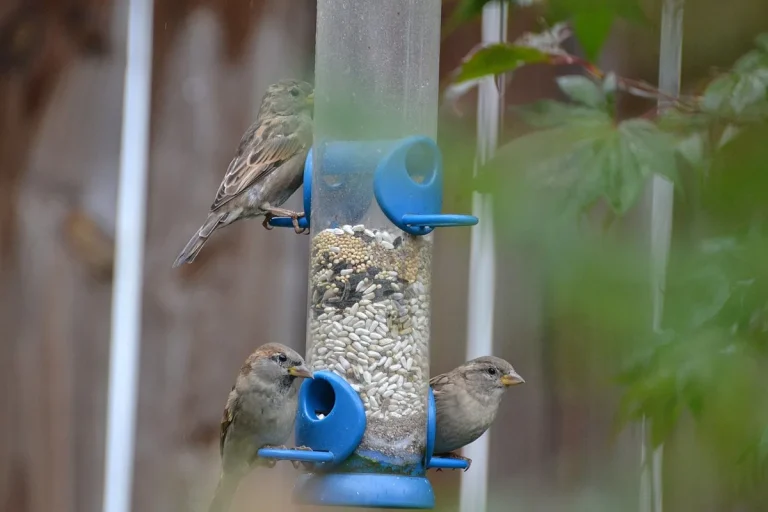
There’s a wide array of bird feeders available, each suited for particular types of food and birds. Tray feeders, essentially a platform with a rim, are excellent for offering a variety of seeds, fruits, and suet pellets, making them attractive to many species. Tube feeders are ideal for smaller seeds like nyjer (thistle) and are often preferred by finches.
Suet feeders, typically a cage or wire mesh design, hold solid blocks of suet, a high-energy food perfect for woodpeckers, chickadees, and nuthatches, especially during colder months. When selecting a feeder, consider the types of birds you wish to attract. The design of the feeder also plays a role in durability and ease of cleaning, which are crucial for bird health.
Selecting the Best Bird Food
The type of bird food you offer will greatly influence which birds visit your feeders. Black oil sunflower seeds are a popular all-around choice, offering high fat content and a thin shell that many birds can crack open easily. Safflower seeds are a good alternative, as they are liked by many songbirds but are less appealing to squirrels and grackles.
Nyjer (thistle) seed, with its small size, is a favorite of finches and is best served in a specialized tube feeder with tiny ports. Suet is a valuable high-energy food, particularly beneficial during winter when natural food sources are scarce. It’s essential to use unsalted and plain birdseed, free from artificial colors or fillers, to ensure the birds receive optimal nutrition without harmful additives.
Avoid feeding birds bread or processed human foods, as these offer little nutritional value and can be harmful.
Image source: iNaturalist / Irene
The Problems with Feeding Birds Inside Their Home
Putting food inside a birdhouse, whether it’s an active nest box or an empty shelter, introduces several significant problems that can negatively impact both the birds and your yard. These issues range from attracting unwanted visitors to creating unsanitary conditions that are detrimental to avian health.
Attracting Unwanted Guests
One of the biggest drawbacks of placing food inside a birdhouse is its potential to lure pests. What seems like a tasty morsel for a small bird can be an irresistible invitation to rodents like mice and rats, as well as ants and other insects. These unwelcome visitors can easily access the food within the confined space of the birdhouse.
Once they’ve found a reliable food source, they may decide to move in, bringing their own set of problems. Rodents can damage the birdhouse structure, and both rodents and insects can potentially harm nesting birds or their young by introducing diseases or even preying on them. Per guidelines from wildlife management organizations, maintaining a clean environment around bird feeding stations is paramount to preventing the spread of disease and deterring nuisance wildlife.
Mess, Mold, and Microbes
Bird food, especially if it contains fats like suet or seeds that can absorb moisture, is prone to spoilage. Inside the enclosed environment of a birdhouse, it can quickly become damp from condensation or rain that might blow in. This moisture, combined with decaying food particles, creates an ideal environment for mold and bacteria to grow.
As of 2026, research on avian health highlights the critical importance of hygiene in providing for wild birds; contaminated food sources can lead to serious illnesses, including salmonellosis, which is highly contagious and often fatal among bird populations. The buildup of mold and bacteria makes the birdhouse unsanitary, risking the health of any bird that uses it for shelter or nesting, and potentially creating a hazard for the broader local bird population.
Better Ways to Feed Your Feathered Friends
If your goal is to support your local bird population with food, the most effective and safest method is to use dedicated bird feeders. These structures are specifically designed for dispensing food, and they come in various types to cater to different bird species and food preferences. By choosing the right feeder and maintaining it properly, you can provide a reliable and healthy food source without the risks associated with feeding inside a birdhouse.
Image source: iNaturalist / Irene
Choosing the Right Bird Feeder
There’s a wide array of bird feeders available, each suited for particular types of food and birds. Tray feeders, essentially a platform with a rim, are excellent for offering a variety of seeds, fruits, and suet pellets, making them attractive to many species. Tube feeders are ideal for smaller seeds like nyjer (thistle) and are often preferred by finches.
Suet feeders, typically a cage or wire mesh design, hold solid blocks of suet, a high-energy food perfect for woodpeckers, chickadees, and nuthatches, especially during colder months. When selecting a feeder, consider the types of birds you wish to attract. The design of the feeder also plays a role in durability and ease of cleaning, which are crucial for bird health.
Selecting the Best Bird Food
The type of bird food you offer will greatly influence which birds visit your feeders. Black oil sunflower seeds are a popular all-around choice, offering high fat content and a thin shell that many birds can crack open easily. Safflower seeds are a good alternative, as they are liked by many songbirds but are less appealing to squirrels and grackles.
Nyjer (thistle) seed, with its small size, is a favorite of finches and is best served in a specialized tube feeder with tiny ports. Suet is a valuable high-energy food, particularly beneficial during winter when natural food sources are scarce. It’s essential to use unsalted and plain birdseed, free from artificial colors or fillers, to ensure the birds receive optimal nutrition without harmful additives.
Avoid feeding birds bread or processed human foods, as these offer little nutritional value and can be harmful.
Image source: iNaturalist / Irene
The Problems with Feeding Birds Inside Their Home
Putting food inside a birdhouse, whether it’s an active nest box or an empty shelter, introduces several significant problems that can negatively impact both the birds and your yard. These issues range from attracting unwanted visitors to creating unsanitary conditions that are detrimental to avian health.
Attracting Unwanted Guests
One of the biggest drawbacks of placing food inside a birdhouse is its potential to lure pests. What seems like a tasty morsel for a small bird can be an irresistible invitation to rodents like mice and rats, as well as ants and other insects. These unwelcome visitors can easily access the food within the confined space of the birdhouse.
Once they’ve found a reliable food source, they may decide to move in, bringing their own set of problems. Rodents can damage the birdhouse structure, and both rodents and insects can potentially harm nesting birds or their young by introducing diseases or even preying
Food Inside vs. Food Outside: A Direct Comparison
When it comes to providing food for birds, the choice between putting something inside a birdhouse and using a feeder is clear. A birdhouse acts as a home, protecting birds during nesting or from severe weather. It’s not designed for food storage; doing so risks spoilage, mold, and the attraction of pests like rodents and ants, which can endanger birds.
Bird feeders, on the other hand, are purpose-built to dispense food safely and efficiently. They come in various designs to suit different bird species and food types, from sunflower seeds for chickadees to suet for woodpeckers. Crucially, feeders are easier to clean, which is vital for preventing disease transmission among bird populations.
| Feature | Food Inside Birdhouse | Food in a Bird Feeder |
|---|---|---|
| Primary Purpose | Shelter/Nesting | Providing accessible food |
| Food Storage | Poor; prone to spoilage and contamination. | Good; designed for clean dispensing and access. |
| Pest Attraction | High risk from rodents, insects, and other scavengers. | Moderate risk, but manageable with proper placement and cleaning. |
| Hygiene | Very difficult to maintain; promotes mold and bacteria. | Requires regular cleaning for optimal bird health. |
| Bird Suitability | Not suitable for regular feeding or storage. | Excellent for a variety of species depending on type and food. |
| Recommendation | Avoid. | Recommended for feeding birds. |
When to Definitely Keep Food OUT of the Birdhouse
You should always keep food out of a birdhouse when birds are actively nesting or raising young. This is non-negotiable for their safety and the success of their brood. The presence of food can attract predators, including snakes and larger birds, which could raid the nest.
Insects are also drawn to food, and some can be harmful to eggs or chicks.
Even during the off-season, when birds might use empty birdhouses for roosting, adding food is generally ill-advised. The risk of attracting pests and creating unsanitary conditions outweighs any minimal benefit of a small snack. Instead, focus your bird-feeding efforts on designated feeders placed strategically away from nesting sites.
Expert Tips for Supporting Birds Year-Round
Consistent support for birds involves more than just providing food. Our research indicates that offering a variety of food types throughout the year can make a significant difference, especially during harsh weather. For example, suet is a high-fat, high-energy food that’s particularly beneficial during winter months when natural food sources are scarce.
Water is also essential, so consider adding a bird bath. Keeping the bird bath clean and filled, particularly in drier periods or when it freezes over, is crucial. Providing cover, like native shrubs and trees, gives birds places to perch, hide from predators, and find natural food sources.
Offering different feeders for different seed types can also attract a wider variety of bird species to your yard.
Final Verdict: Birdhouses vs. Bird Feeders for Food
The consensus among wildlife experts is clear: birdhouses are for shelter, and bird feeders are for food. Placing food inside a birdhouse poses significant risks of spoilage, pest infestation, and disease transmission to birds. These issues can compromise nesting success and overall bird health.
For effectively and safely feeding birds, utilize specialized bird feeders. Choose feeders suited to the types of birds you want to attract and the food you plan to offer. Rigorous cleaning of feeders is paramount to prevent the spread of illness.
By using feeders correctly and avoiding food in birdhouses, you can provide valuable support to your local bird population throughout the year.
Frequently Asked Questions
Can I put seeds in a birdhouse?
No, you should not put seeds in a birdhouse. Birdhouses are nesting sites, and food placed inside can spoil, attract pests like rodents and ants, and potentially harm the birds or their young.
Is it okay to put food in an empty birdhouse in winter?
It’s generally not recommended. While birds might use an empty birdhouse for shelter in winter, placing food inside can still attract pests and become unsanitary, outweighing any minor benefit.
What is the best way to feed birds?
The best way to feed birds is by using dedicated bird feeders. Choose feeders appropriate for the types of birds and food you want to offer, and maintain them by cleaning regularly to prevent disease.
What kind of food should I put in my bird feeders?
Popular and nutritious options include black oil sunflower seeds, safflower seeds, nyjer (thistle) seed, and suet. Always opt for unsalted and plain birdseed without artificial additives.
How often should I clean my bird feeders?
You should clean bird feeders regularly, ideally every two weeks. During hot or wet weather, or if you notice any signs of spoilage or disease, clean them more frequently to maintain hygiene.
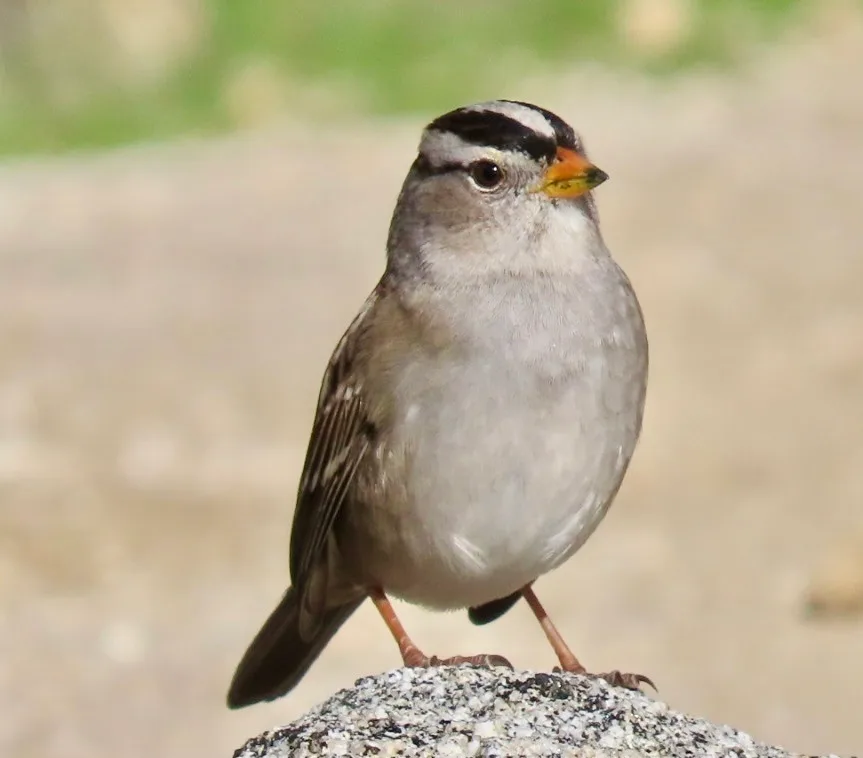
Image source: iNaturalist / Irene