How Do Birds Digest Food 2026
What Makes Bird Digestion So Unique?
Have you ever wondered how birds can eat and then take to the skies so quickly? Understanding how birds digest food reveals a fascinating and highly efficient system, built for speed and energy. It’s a world away from how mammals process meals, with specialized organs designed for rapid nutrient extraction.
In our research, we've found that the avian digestive system operates at an astonishing pace; some birds can process food in as little as 20 minutes. This rapid transit is crucial for sustained flight, keeping their bodies light and fueled. We’ll break down the key steps and organs involved, showing you exactly how this remarkable process works, from the moment a seed enters their beak to its eventual exit.
Quick Answer
Birds digest food rapidly using specialized organs like the crop and gizzard. Food is stored in the crop, then moved to the proventriculus for chemical digestion. The gizzard mechanically grinds food, a process often aided by grit.
Nutrients are absorbed in the intestines, and waste is expelled quickly via the cloaca. This efficient system provides fuel for flight.
What Makes Bird Digestion So Unique?
Birds digest food in ways that are quite different from us mammals. Their entire digestive tract is essentially streamlined for efficiency and speed, which is vital for survival. Think about it: flight requires a lot of energy, and a heavy digestive load would be a major handicap.
So, nature has given them some seriously cool adaptations.
Unlike humans who have a stomach, birds have a multi-part system that works like a finely tuned biological factory. From storage to grinding to absorption, each component plays a critical role in getting energy to those powerful flight muscles. This specialized anatomy allows them to process a wide variety of foods, from tiny seeds to tough insects, and convert them into the fuel they need, often within a couple of hours.
The average digestion time can vary significantly depending on the bird species and its diet, but it’s consistently faster than in mammals.
Why We Need Pictures to Understand Bird Guts
Honestly, trying to explain the bird digestive system without visuals is like trying to describe a complex machine’s inner workings using only words. It’s just not going to click as easily. Bird anatomy is pretty different, and seeing where the crop sits, how the muscular gizzard functions, or what the proventriculus looks like makes all the difference.
Diagrams and labeled illustrations help us grasp the sequence of events and how each organ connects and contributes. They highlight features like the muscular walls of the gizzard or the blind pouches of the ceca, which are tricky to visualize otherwise. For pet bird owners, understanding these visual cues is actually the best way to spot potential health issues down the line.
A Bird's Lunchbox: From Beak to Beyond
When we talk about a bird's lunchbox, we’re not just talking about the seeds or bugs they eat. We’re talking about their entire digestive pathway, which is like a specially designed delivery system. It starts the moment food enters their beak and ends with waste elimination, a process that’s remarkably quick and efficient.
This system is built to handle everything from hard-shelled seeds to juicy insects. Each part has a specific job, ensuring that valuable nutrients are extracted swiftly and effectively. This entire process, from ingestion to excretion, is what allows birds to maintain the high energy levels necessary for their demanding lifestyles, including essential activities like migration flights.
The Amazing Journey of a Seed (or Bug!)
So, how does that tiny seed or wriggling grub make its way through a bird's body and turn into energy? It’s a multi-stage process, and each stage involves unique organs that you won’t find in us humans. It’s a testament to evolution’s creativity in problem-solving, especially for creatures that need to be light and agile.
This journey is all about breaking down food efficiently. Birds don't have teeth to chew, so their bodies have developed ingenious ways to grind and digest their meals. We’ll walk through each critical step, explaining what happens and why it's so important for the bird’s health and survival.
1. The First Stop: The Crop (Like a Bird's Lunch Pail)
After a bird swallows its food, it doesn’t immediately go to a stomach. Instead, it travels down the esophagus to a special pouch called the crop. Think of the crop as a bird's built-in lunch pail or storage container.
It's a widening of the esophagus, located in the neck or upper chest area, depending on the species.
The crop's primary job is to hold food temporarily, allowing the bird to eat quickly when food is available and then move to a safer location to digest at leisure. Eagles, for example, can fill their crops to capacity and then retreat to a safe perch or roost to process their meal without being disturbed. Some birds, like pigeons and doves, even use their crops to produce "crop milk," a nutrient-rich substance they feed to their young.
This specialized function highlights the crop's importance beyond just storage.
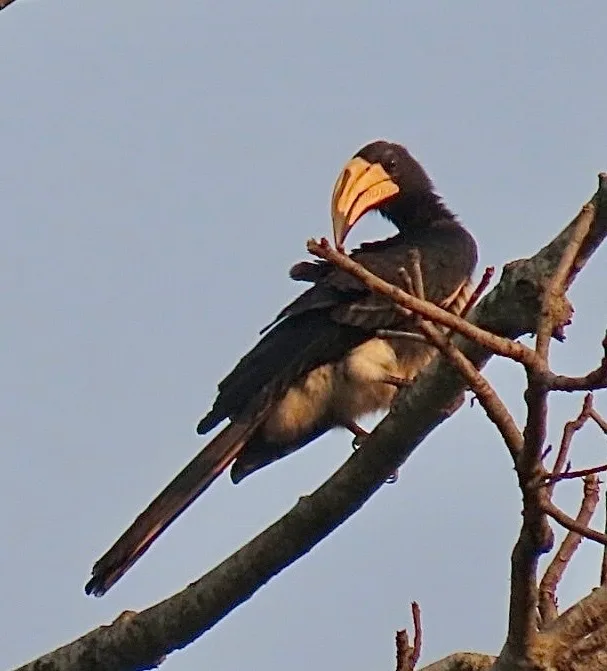
Image source: iNaturalist / Irene
2. Into the "True Stomach": The Proventriculus
Once the food has been stored in the crop, it’s gradually released into the proventriculus. This is often called the "true stomach" because it’s where the chemical digestion really begins. It’s a glandular organ that secretes digestive juices, similar to a human stomach.
These juices contain hydrochloric acid and enzymes, like pepsin, which start to break down proteins. This is a crucial step before the food moves on to the more mechanical phase of digestion. The proventriculus doesn't do much grinding; its main role is to "pre-digest" the food, making it softer and easier to process further down the line.
For many bird species, the acids here are strong enough to begin dissolving bone and tough materials.
3. The Mighty Mill: The Gizzard's Grinding Power
Following the proventriculus is one of the most iconic parts of a bird's digestive system: the gizzard. This is a muscular, thick-walled organ designed for grinding food. Since birds lack teeth for chewing, the gizzard takes over this essential mechanical breakdown job.
The gizzard's walls are incredibly strong and can contract powerfully. To aid in grinding, many birds swallow small stones, sand, or grit, which are stored within the gizzard. These indigestible particles act like millstones, pulverizing seeds, shells, and other tough food items.
You can think of it as their internal, built-in powerful blender or mortar and pestle. For species that eat seeds, like finches or parrots, the gizzard is indispensable for breaking down the hard seed coats.
4. Nutrient Party: The Intestines at Work
After the food has been thoroughly ground and partially digested by the proventriculus and gizzard, it moves into the bird's intestines. This is where the real magic of nutrient absorption happens. The intestines are long, coiled tubes where enzymes continue breaking down food into smaller molecules.
These smaller molecules, like amino acids, fatty acids, and simple sugars, are then absorbed through the intestinal walls into the bird's bloodstream. The small intestine is the primary site for this absorption. Bird intestines are generally shorter than those of mammals, reflecting their faster digestion rate.
Some birds also have ceca, which are pouch-like extensions of the intestine where fermentation can occur, helping to break down plant material and absorb water.
5. The Grand Finale: The Cloaca
The final stage of the digestive tract is the cloaca. This is a fascinating, multi-purpose chamber that serves as the exit point for not just the digestive system, but also the urinary and reproductive systems. It’s a single opening that handles waste elimination for all three.
Waste from the intestines (feces) and waste from the kidneys (uric acid, which birds excrete as a semi-solid white paste) both end up in the cloaca. The cloaca then expels these combined wastes from the body. This streamlined exit is another example of how birds' bodies are adapted for efficiency and lightness.
It’s a biological marvel that’s essential for their active lifestyles.
What Does Your Bird Eat, and How Does It Affect Them?
A bird's diet is the foundation of its digestive health and overall well-being. Different food types require different digestive strategies, and birds have evolved specialized systems to handle specific diets efficiently. Understanding these dietary needs is key to ensuring your bird gets the proper nutrition through its digestive process.
The type of food a bird eats directly influences the speed and efficiency of its digestion. For instance, a bird that eats mostly soft fruits will have a different digestive experience than one that consumes hard seeds or fast-moving insects. This dietary link is why tailoring food choices to the specific bird species is so important for their health and vitality.
Seed Suspects: Digestion for Seed Eaters
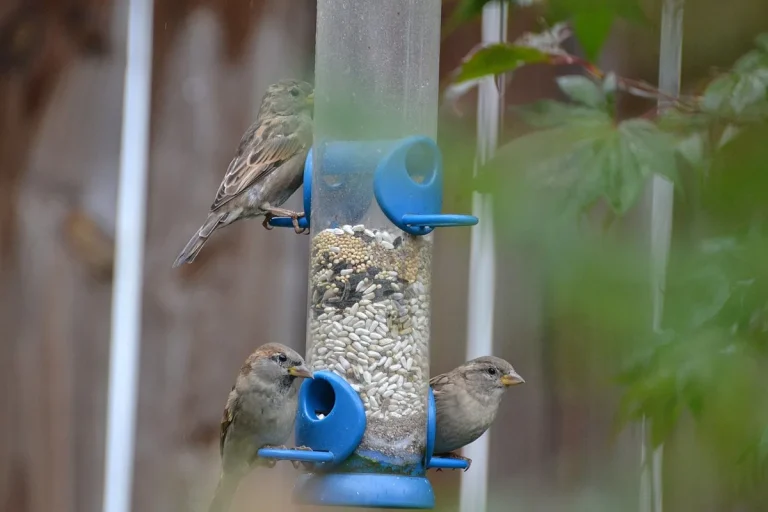
Birds that primarily eat seeds, like many common backyard species such as finches and sparrows, rely heavily on their gizzard. Seeds are notoriously tough with hard outer coatings that need significant mechanical breakdown. Before reaching the grinding power of the gizzard, seeds are typically stored in the crop and may undergo some initial softening.
The proventriculus then secretes strong acids to begin dissolving the harder parts of the seed. The gizzard, with its muscular walls and ingested grit, then pulverizes these softened seeds into a digestible pulp. This rapid mechanical and chemical breakdown allows seed-eating birds to extract maximum energy from their diet, fueling their active lives.
If you're managing a pet bird's diet, ensuring access to appropriate grit can be vital for their digestive flow.
Insectivores' Intake: Bug Eaters' Path
For birds that specialize in eating insects, the digestive process is often quicker and involves breaking down chitin, the hard outer shell of many insects. Insects are rich in protein and fats, which can be rapidly absorbed. A bird that consumes insects might not need as large a gizzard or as much grit as a dedicated seed eater.
The proventriculus still plays its role in secreting digestive juices, but the emphasis shifts to enzymes that can efficiently break down the insect's body and exoskeletons. Unlike tough seeds, insect exoskeletons can be more easily managed by the gizzard, sometimes even passing through whole if the bird is small or the insect particularly tough. Some insectivorous birds might even swallow their prey whole, relying on the proventriculus and subsequent digestive processes to do the work.
Carnivores' Cuisine: Meat Eaters' Mechanics
Birds of prey, like hawks and owls, have a digestive system optimized for processing meat and bone. Their proventriculus produces powerful digestive acids capable of dissolving bone and fur. They often swallow prey whole or in large chunks, relying on the strong digestive capabilities to extract nutrients.
Instead of grinding, their gizzard often serves more to separate indigestible parts, like bones, fur, and feathers, which are then regurgitated as a pellet. This pellet formation is a distinct adaptation seen in many carnivores. The efficient extraction of nutrients from protein and fat allows them to sustain themselves on these rich food sources.
If you're caring for a pet raptor, understanding pellet formation is a key indicator of digestive health.
What Does Your Bird Eat, and How Does It Affect Them?
The food you provide for your pet bird has a direct impact on its digestive health and can even influence its behavior and overall lifespan. A diet that doesn't match the bird's natural eating habits can lead to a host of digestive issues, nutritional deficiencies, and even chronic health problems. It's not just about providing calories; it's about providing the right kind of fuel that their specialized digestive system can process effectively.
For example, feeding a seed-based diet exclusively to a parrot that naturally eats fruits and vegetables might lead to an imbalance of fats and an excess of carbohydrates, potentially causing digestive upset. Conversely, birds that are naturally seed-eaters can thrive on a carefully balanced seed mix. Ensuring a varied diet that mimics what the species would encounter in the wild is crucial, much like how we ensure our cats get appropriate nutrition; for instance, understanding what is kibble cat food helps us choose suitable options for our feline companions.
Signs Your Bird's Digestion Might Be Off
Recognizing when a bird's digestive system isn't functioning correctly is vital for early intervention and preventing serious health issues. Birds are prey animals, meaning they often try to hide signs of illness to avoid appearing vulnerable. Therefore, as an owner, you need to be observant of subtle changes that can indicate a problem.
Changes in droppings are often the most immediate and obvious indicator. These can include changes in color, consistency, volume, or the presence of undigested food particles. Lethargy, loss of appetite, or changes in behavior can also signal that something is wrong with their digestive tract.
If you notice these signs, it's best to consult an avian veterinarian.
When Food Gets Stuck: Impaction Issues
One of the most serious digestive problems a bird can face is impaction, where food gets lodged and cannot pass through the digestive tract. This commonly affects the crop, leading to a condition known as "sour crop" if the food begins to ferment, or it can occur further down in the intestines.
Certain food items, like large seeds or pieces of fibrous material, can contribute to crop impaction. In older cats, for example, digestive issues can arise with certain diets, and understanding how to make cat food from scratch can sometimes help manage their specific needs. For birds, impaction can be life-threatening if not treated promptly by a qualified veterinarian.
Signs include a visibly distended crop that doesn't empty, vomiting, or lethargy.
Not Getting Enough: Absorption Problems
Even if food is passing through the digestive system, a bird might not be absorbing enough nutrients. This can happen due to parasitic infections, inflammation of the intestines, or a diet that is nutritionally inadequate, such as exclusively feeding seed mixes that lack essential vitamins and minerals. Problems with nutrient absorption can lead to weight loss, poor feather quality, and a weakened immune system.
Signs of poor absorption might include consistent weight loss despite normal food intake, very loose or voluminous droppings indicative of unabsorbed food, or a dull, unkempt appearance. Conditions like anemia in cats also point to absorption issues, and understanding best cat food for anemic cats highlights the link between diet and nutrient uptake. For birds, ensuring a balanced diet alongside a healthy digestive tract is key to preventing these issues.