What Is a Bird’s Favorite Food in 2026 (What Actually Works)
Ever look out your window and wonder what tasty morsel would make a bird really happy? Understanding what birds love to eat is the first step to turning your yard into a bird-friendly haven. It's not just about filling a feeder; it's about knowing what different species need and prefer.
When we talk about a bird's "favorite" food, we're generally referring to items that provide high nutritional value and are easily accessible for specific species. For context, the U.S. Fish and Wildlife Service notes that dietary needs can vary significantly, with some birds relying on seeds for up to 80% of their annual intake, while others focus on insects or fruit.
Let's dive into what makes a bird's beak, and belly, happy.
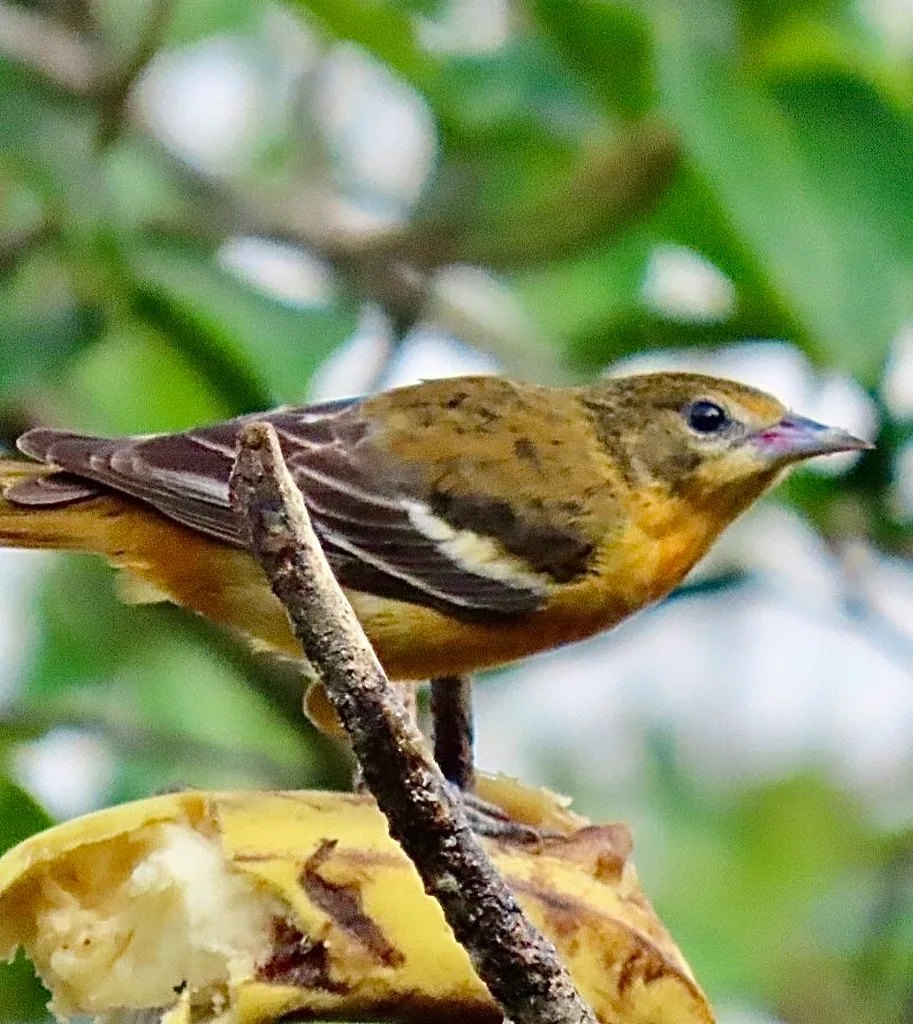
Image source: iNaturalist / Irene
Quick Answer
A bird's favorite food depends entirely on the species and its natural diet. Seed-eating birds like finches and cardinals often prefer sunflower seeds and thistle. Insectivores, such as robins, favor earthworms and mealworms, while hummingbirds are drawn to nectar.
The best food for any bird is one that matches its beak type and nutritional needs.
Why Understanding Bird Food Preferences Matters
Think of it like trying to pick the perfect meal for a picky eater, you wouldn't offer sushi to someone who only eats pasta, right? Birds are much the same. Their "favorite" foods are those that fit their unique physiology and natural foraging habits.
This understanding is crucial whether you're trying to attract specific species to your backyard, support local wildlife, or simply provide sustenance during challenging seasons. For instance, research indicates that the protein needs of nestlings can be 2-3 times higher than those of adult birds, highlighting the importance of providing the right food source at the right time.
This knowledge helps us avoid common pitfalls, like offering foods that are difficult for a bird to eat or that lack essential nutrients. It's about making informed choices that genuinely benefit the birds. The American Ornithological Society states that providing supplemental food sources can be a critical conservation tool, especially in areas with limited natural food availability.
The Big Picture: Common Bird Food Categories
Birds have incredibly diverse diets, shaped by millions of years of evolution. Their beaks, digestive systems, and foraging behaviors are all adapted to specific food types. Understanding these broad categories helps us pinpoint what different types of birds are likely to seek out.
This is fundamental whether you're looking at a backyard feeder or studying wild populations.
Seeds: The Backyard Staple
For many common backyard visitors, seeds are the ultimate prize. Their high fat and protein content make them an energy-dense food source that many birds can easily process. The variety of seeds available means different species have different preferences, often dictated by the seed's size and the bird's beak structure.
Black oil sunflower seeds are a perennial favorite due to their thin shells and high oil content, making them accessible to a wide range of birds. Other popular seeds include millet and safflower, each attracting a slightly different mix of avian guests.
Insects & Worms: Protein Powerhouses
A significant portion of the avian world relies heavily on insects and other invertebrates. These are often the go-to food for birds, particularly during breeding season when the demands for protein are highest for feeding hungry chicks. Robins, for example, are well-known for their skill in extracting earthworms from the soil, a vital component of their diet.
Other birds forage for grubs, caterpillars, ants, and beetles. Providing offerings like dried mealworms can be highly effective in attracting insectivorous species to feeders, mimicking their natural prey.
Fruit & Berries: Nature's Sweet Treats
Many birds have a sweet tooth for fruits and berries. These provide essential carbohydrates for energy and vital vitamins. Species like waxwings, orioles, and various thrushes are particularly fond of fruit, actively seeking out berry-producing plants in their environment.
Offering fruits like grapes, melon, or raisins at feeders can draw these colorful visitors. It's important to ensure fruits are fresh and not moldy, as spoiled produce can be harmful to birds.
Nectar: Fuel for the Speedy
Hummingbirds are the undisputed champions of nectar consumption. Their specialized long beaks and extendable tongues are perfectly adapted for probing flowers to sip sugary nectar, which provides them with the rapid energy needed for their astonishingly active lifestyles. A simple sugar-water solution, mimicking natural nectar, is what draws them to feeders.
It's crucial to prepare this solution correctly: a 4:1 water-to-sugar ratio, boiled and cooled with no red dye, is recommended by ornithological research.
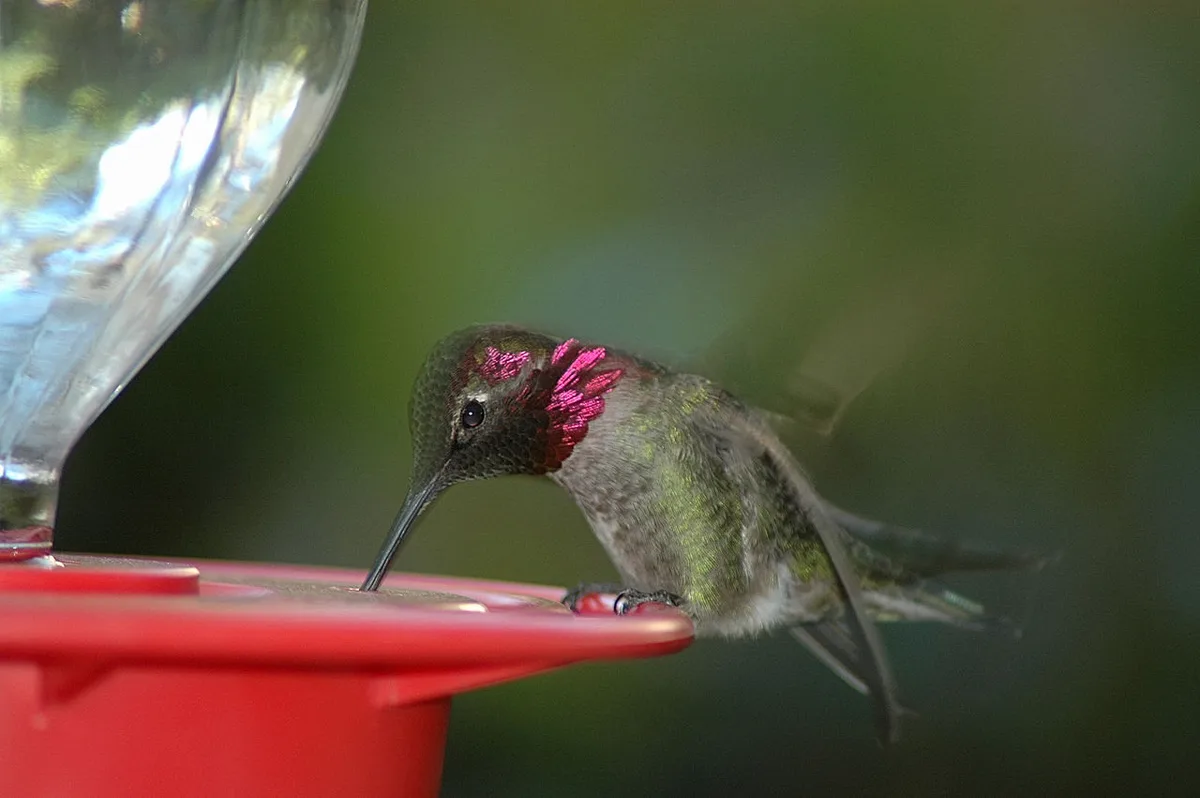
Image source: Wikimedia Commons / Wikimedia Commons contributor (CC BY-SA)
Suet: High-Energy Winter Fuel
Suet, rendered animal fat, is an incredibly calorie-rich food that becomes particularly valuable during colder months when natural food sources are scarce. It's a high-energy option that helps birds maintain their body temperature and energy levels in harsh weather. Woodpeckers, chickadees, nuthatches, and wrens are common visitors to suet feeders.
While it can be offered year-round, it's especially beneficial from fall through spring. High-quality suet cakes often include seeds, nuts, or insects to further enhance their appeal.
Matching Food to Feathers: Bird Species & Their Top Picks
This is where things get really interesting. What one bird considers a gourmet meal might be completely unappealing to another. It all comes down to millions of years of specific adaptation.
Understanding these individual preferences is key to successfully attracting the birds you want to see.
Finch Favorites: Small Seeds for Small Beaks
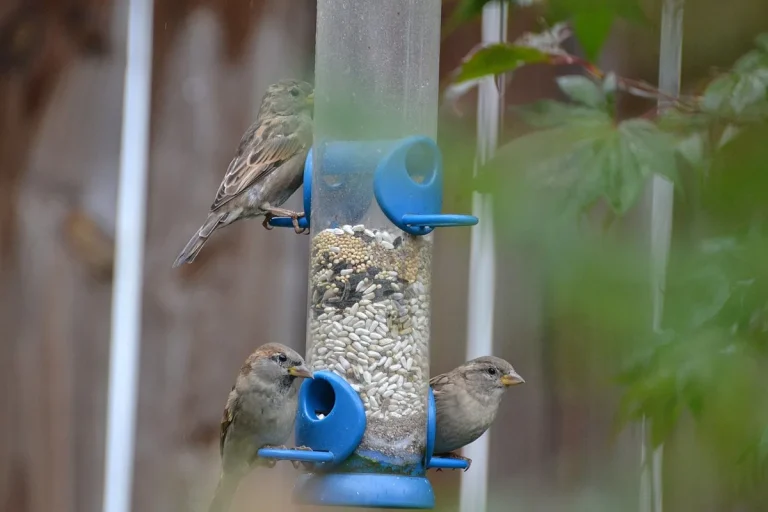
Finches, with their small, conical beaks, are perfectly designed for cracking open tiny seeds. Their preferred "fast food" often includes thistle (nyjer) seeds, which are particularly favored by American Goldfinches and House Finches due to their small size and high oil content. Black oil sunflower seeds are another universal hit among finches; their thin shells are easy for finches to manage, and they boast a high fat content essential for energy.
Safflower seeds also rank high, often being less appealing to larger, more aggressive birds like grackles, which can give finches a more peaceful dining experience.
Cardinal Cravings: Heartier Seeds and Corn
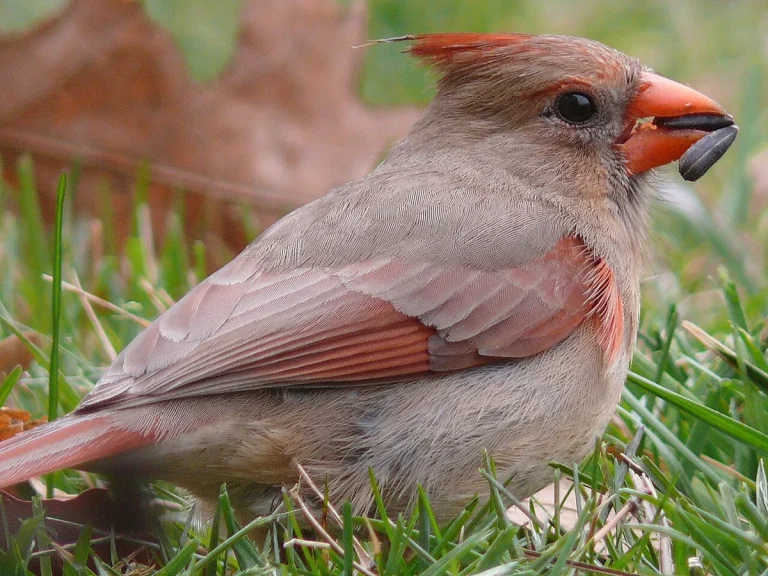
Northern Cardinals possess strong, conical beaks capable of handling larger seeds and grains. Their absolute favorite is often considered to be black oil sunflower seeds, much like finches, but they can also manage striped sunflower seeds. Safflower is another excellent choice, offering a slightly bitter taste that deters squirrels and pests while remaining a favorite for cardinals.
Cracked corn is also a popular offering, providing a good source of carbohydrates. When setting out food for cardinals, ensure it's in a feeder that can accommodate their size and allow them to perch comfortably.
Robin & Bluebird Buffets: Worms and Berries
Robins and bluebirds are primarily ground-feeders and insectivores. Their "favorite" foods mirror what they find naturally: earthworms are a top-tier food for robins, providing essential protein and moisture. Bluebirds also relish insects, including grasshoppers, crickets, and caterpillars.
To attract these species to feeders, offering dried mealworms is highly effective, replicating their natural prey. Additionally, both species are fond of berries. Providing natural berry-producing shrubs in your garden or offering fruits like raisins (soaked to soften) can significantly increase your chances of attracting them.
Hummingbird Havens: Nectar is Key
Hummingbirds live on a diet of flower nectar and small insects for protein. Their "favorite" is the high-sugar content found in nectar, which fuels their incredibly fast metabolisms and hovering flight. Commercial hummingbird feeders provide an easy way to offer this.
The ideal solution is a simple mix of one part plain white granulated sugar to four parts boiled and cooled water. It is crucial to avoid red-dyed solutions, as these dyes can be harmful to hummingbirds. Regular cleaning of feeders is also paramount, as nectar can ferment and grow mold, posing serious health risks to these tiny birds.
Woodpecker Woodlands: Insects and Suet
Woodpeckers have specialized beaks for drilling into bark to find insects, their primary natural food source. However, they also appreciate supplemental feeding. Suet is often considered a favorite, especially during colder months, as it's a dense source of fat and calories.
Commercial suet cakes, often infused with nuts and seeds, are highly attractive. Peanuts, both shelled and unshelled, are also a big hit with many woodpecker species, including the Downy and Hairy Woodpeckers. Offering these in specialized woodpecker feeders that provide a large perch can be very effective.
Matching Food to Feathers: Bird Species & Their Top Picks
This is where things get really interesting. What one bird considers a gourmet meal might be completely unappealing to another. It all comes down to millions of years of specific adaptation.
Understanding these individual preferences is key to successfully attracting the birds you want to see.
Finch Favorites: Small Seeds for Small Beaks
Finches, with their small, conical beaks, are perfectly designed for cracking open tiny seeds. Their preferred "fast food" often includes thistle (nyjer) seeds, which are particularly favored by American Goldfinches and House Finches due to their small size and high oil content. Black oil sunflower seeds are another universal hit among finches; their thin shells are easy for finches to manage, and they boast a high fat content essential for energy.
Safflower is also a popular choice because its slightly bitter taste can deter larger, aggressive birds, offering finches a more peaceful dining experience.
Cardinal Cravings: Heartier Seeds and Corn
Northern Cardinals possess strong, conical beaks capable of handling larger seeds and grains. Their absolute favorite is often considered to be black oil sunflower seeds, much like finches, but they can also manage striped sunflower seeds. Safflower is another excellent choice, offering a slightly bitter taste that deters squirrels and pests while remaining a favorite for cardinals.
Cracked corn is also a popular offering, providing a good source of carbohydrates. When setting out food for cardinals, ensure it's in a feeder that can accommodate their size and allow them to perch comfortably.
Robin & Bluebird Buffets: Worms and Berries
Robins and bluebirds are primarily ground-feeders and insectivores. Their "favorite" foods mirror what they find naturally: earthworms are a top-tier food for robins, providing essential protein and moisture. Bluebirds also relish insects, including grasshoppers, crickets, and caterpillars.
To attract these species to feeders, offering dried mealworms is highly effective, replicating their natural prey. Additionally, both species are fond of berries. Providing natural berry-producing shrubs in your garden or offering fruits like raisins (soaked to soften) can significantly increase your chances of attracting them.
You can learn more about specialized diets at What Is Kibble Cat Food.
Hummingbird Havens: Nectar is Key
Hummingbirds live on a diet of flower nectar and small insects for protein. Their "favorite" is the high-sugar content found in nectar, which fuels their incredibly fast metabolisms and hovering flight. Commercial hummingbird feeders provide an easy way to offer this.
The ideal solution is a simple mix of one part plain white granulated sugar to four parts boiled and cooled water. It is crucial to avoid red-dyed solutions, as these dyes can be harmful to hummingbirds. Regular cleaning of feeders is also paramount, as nectar can ferment and grow mold, posing serious health risks to these tiny birds.
Woodpecker Woodlands: Insects and Suet
Woodpeckers have specialized beaks for drilling into bark to find insects, their primary natural food source. However, they also appreciate supplemental feeding. Suet is often considered a favorite, especially during colder months, as it's a dense source of fat and calories.
Commercial suet cakes, often infused with nuts and seeds, are highly attractive. Peanuts, both shelled and unshelled, are also a big hit with many woodpecker species, including the Downy and Hairy Woodpeckers. Offering these in specialized woodpecker feeders that provide a large perch can be very effective.
This high-energy food requirement is similar to how specific dietary needs are met for animals like cats, as explored in guides like Best Food For Cats With Hyperthyroidism.