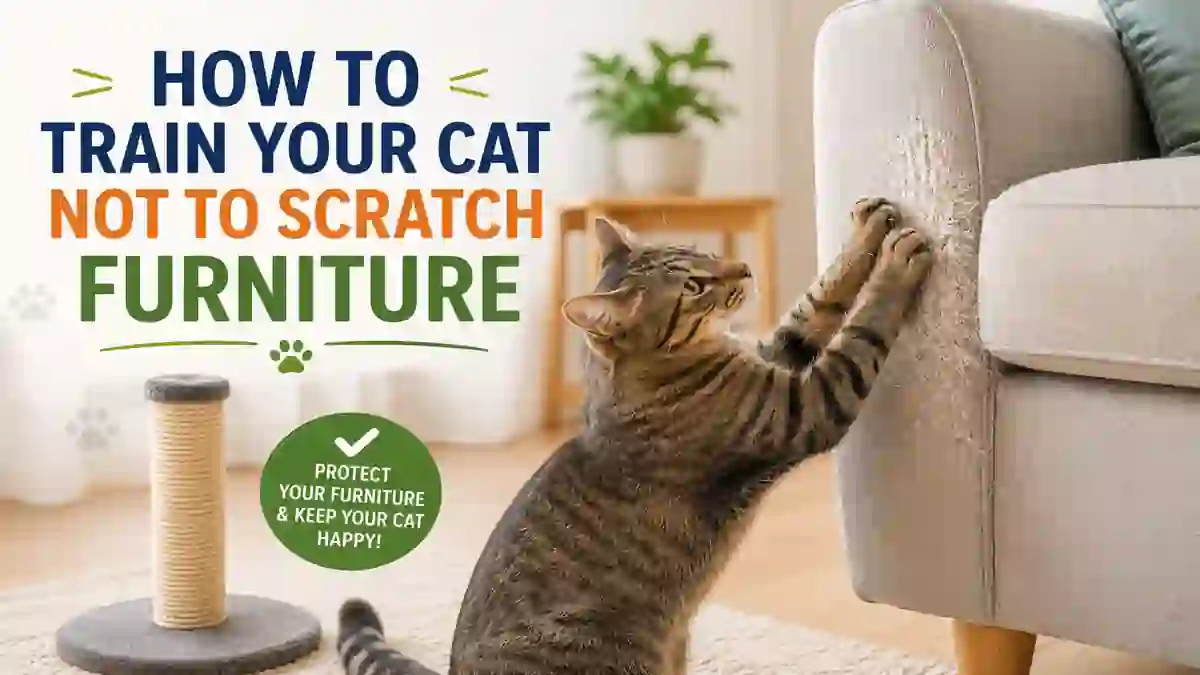
How to Train Your Cat Not to Scratch Furniture 2026
So, your furry friend has a knack for turning your comfy couch into their personal scratching post? You’re definitely not alone. Learning how to train your cat not to scratch furniture is a common goal for pet owners determined to protect their belongings while keeping their cats happy.
This isn’t about punishment, but about redirection.
Our research indicates that effective training relies on understanding a cat’s natural instincts and providing appropriate outlets. For instance, manufacturer specifications for many cat scratching posts recommend a minimum height of 30 inches to allow for a full stretch, a key behavior cats engage in while scratching. Let’s dive into the practical steps you can take.
Quick Answer
Train your cat not to scratch furniture by providing attractive scratching posts. Place them strategically and make them appealing with catnip. Deter scratching on furniture with double-sided tape or foil.
Gently redirect scratching attempts. Patience and consistency are vital for redirecting this natural behavior.
Understanding Why Your Cat Needs to Scratch
Natural Instincts: It’s Not Personal
It’s crucial to understand that a cat scratching furniture isn’t an act of defiance or spite. Per established feline behavior research, scratching is a fundamental, instinctual behavior for cats. They don’t do it to annoy you; they do it because their bodies and minds require it for several essential reasons.
This natural inclination means you can’t simply stop a cat from scratching altogether. Instead, the goal is to channel this powerful urge into acceptable targets. Our approach focuses on meeting this need constructively, rather than trying to suppress a deeply ingrained behavior.
Marking Territory & Claw Care
Cats use scratching for two primary purposes: marking their territory and maintaining their claws. Their paws contain scent glands that release pheromones when they scratch, leaving a visual and scent mark that communicates their presence and ownership in an area. This is particularly important for indoor cats who still exhibit these territorial instincts.
Furthermore, scratching helps cats shed the outer, worn husks of their claws, revealing sharp, healthy new claws underneath. This process is vital for their agility and hunting capabilities, even if their only “prey” is a toy mouse. Providing appropriate scratching surfaces addresses both these vital needs.
Step-by-Step: Training Your Cat Off the Furniture
Here’s your actionable plan. Think of this as a workflow, adjusting as your cat responds. The key is consistency and patience.
Step 1: Get the Right Scratching Posts (And Enough!)
This is your absolute, non-negotiable foundation. If your cat doesn’t have appealing alternatives, they will continue to target your furniture. Providing ample, desirable scratching options is the first critical step inredirecting their behavior.
- Variety is Your Best Friend: Not all cats like the same thing. Offer a mix of vertical posts, horizontal boards, and even angled scratchers to see what your individual cat gravitates towards.
- Consider Material Preferences: Different cats have different preferences for texture. Common successful materials include sisal rope, corrugated cardboard, and certain types of carpet.
- Stability is Non-Negotiable: A wobbly scratching post is about as appealing as a wet cat blanket. Cats need to feel secure when they scratch, so ensure posts are heavy-based or can be secured to prevent tipping.
Material Matters: Sisal, Cardboard, Carpet?
When selecting scratching surfaces, texture plays a huge role. Sisal rope is a top choice for many, offering a satisfying resistance and satisfying grip for claws. Corrugated cardboard scratchers are fantastic for their affordability and the unique, layered appeal many cats enjoy; you can find these in various shapes and sizes online.
Some cats also respond well to carpeted posts, but be cautious if your cat already scratches your carpeted floors.
Experimenting with different materials is key. A cat that ignores a sisal post might go wild for a cardboard ramp. aggregate user feedback often highlights that a combination of textures and orientations is most effective in satisfying a cat’s diverse scratching needs.
Stability & Placement: Where to Put Them
A scratching post’s location is just as vital as its material. Cats often want to scratch when they wake up from a nap, so place a post near their favorite sleeping spots. They also use scratching to mark territory, so position them in prominent areas where your cat spends a lot of time, or in spots they’ve already shown interest in scratching (like near the corner of a sofa).
Ensure the post is stable. For vertical posts, look for a wide, heavy base or a model that can be anchored. A post that topples over when your cat uses it will quickly be abandoned.
As of 2026, many manufacturers are emphasizing sturdy bases for vertical cat trees and posts to prevent this common failure point.
Step 2: Make Furniture Less Appealing
While we’re wooing your cat to their new scratching paradises, we also need to make your current furniture less attractive for their claws. This involves subtly dissuading them from using your sofa or chairs.
- The Appeal of Stickiness: Cats generally dislike sticky textures on their paws. Applying double-sided sticky tape to the areas of your furniture your cat targets can be a highly effective, immediate deterrent. You can find specialized pet-safe sticky tape designed for furniture, or use strong packing tape.
- Texture and Sound Barriers: Some cats are put off by the texture and crinkly sound of aluminum foil. Placing sheets of foil on or around targeted furniture spots can make them less appealing.
Sticky Situations: The Tape Trick
Double-sided sticky tape is one of the most recommended and effective deterrents. Cats’ paw pads are sensitive, and the unpleasant sticky sensation is usually enough to make them reconsider scratching that spot. Apply strips of tape along the edges and arms of your sofa or chairs where your cat tends to scratch.
Be sure to test the tape on an inconspicuous area of your upholstery first to ensure it doesn’t damage the fabric or leave residue. Special pet-specific furniture scratch deterrents are available and are formulated to adhere securely without harming most fabric types. You’ll likely need to leave this in place for a few weeks to break the habit.
Other Texture and Scent Deterrents
Aluminum foil is another common, low-tech deterrent. The crinkly sound and texture can be enough to make a cat choose another spot. Some products also claim to deter cats with citrus or other strong scents.
However, scent deterrents can be hit or miss; some cats are completely unfazed, while others may simply find a different, equally offensive spot to scratch. If you opt for a commercial spray, ensure it’s formulated for pets and won’t stain or damage your furniture. Always follow product instructions carefully.
Step 3: Encourage Scratcher Use
Getting your cat to use their new posts requires active encouragement. We want them to associate the scratcher with positive experiences and rewards.
- The Power of Catnip: Many cats are drawn to catnip, a natural herb that can induce a state of euphoria and playfulness. Sprinkle a bit of dried catnip directly onto the scratching posts or into crevices designed for it. This can immediately make the post more appealing.
- Playtime Integration: Use your cat’s favorite toys, like a feather wand or laser pointer, to entice them to play around and on the scratching post. Wiggling a toy up and over the post can encourage them to jump on it, and in turn, they might start scratching.
Catnip & Playtime Power
Sprinkling high-quality catnip on a new scratching post is a classic trick that works wonders for most cats, activating their natural curiosity and play drive. If your cat doesn’t respond to catnip, try other lures like silvervine or valerian root. Integrate playtime sessions around the scratching posts.
Dangling a toy just out of reach on top of a vertical post or leading them across a horizontal scratcher with a treat can create positive associations and encourage them to engage.
Praise & Positive Reinforcement
Whenever you see your cat using their scratching post, even if you had to guide them there, offer immediate praise. A gentle “good kitty!” and a small, tasty treat can go a long way in reinforcing the behavior. This positive reinforcement helps your cat understand that using the post is exactly what you want them to do.
You’re essentially creating a reward system that links the scratching post with good things.
Step 4: What to Do When They Scratch the Wrong Spot
Catching your cat in the act of scratching furniture can be tempting to respond to with frustration, but it’s crucial to remain calm. Yelling or physical punishment rarely works and can damage your bond with your pet.
- Gentle Redirection is Key: If you see your cat scratching the furniture, don’t scold. Instead, calmly get up, pick them up, and gently place them at their designated scratching post. If they then interact with the post, offer praise.
- Avoid Punishment: A cat won’t understand a punishment meted out after the fact. They will only learn to fear you or associate the furniture with your anger, not with the act of scratching itself.
Gentle Redirection, Not Punishment
When you discover your cat scratching upholstery, the most effective response is immediate, gentle redirection. Do not yell or swat. Instead, calmly pick up your cat and place them at their approved scratching post.
If they then engage with the post, great! Offer quiet praise and perhaps a treat. This shows them the correct behavior is rewarded, while the unwanted behavior is simply corrected without fear.
Re-evaluating Your Approach
If redirection isn’t working, or your cat continues to scratch furniture despite having good scratching posts available, it might be time to reassess your strategy. Are the posts appealing enough? Are they in the right locations?
Is there a more desirable scratching surface nearby that you haven’t accounted for? Sometimes, a shift in post material, location, or even adding a second post can solve the problem. This is where the “decision tree” aspect comes in, if one method isn’t yielding results, we pivot to another.
Step 5: Troubleshooting and Fine-Tuning
Even with the best intentions, training can hit a few snags. If you’re finding your cat is still more interested in your armchair than their sisal post, some fine-tuning might be needed. This step is all about observing your cat and making smart adjustments.
- Are There Enough Scratching Options? For single-story homes, one or two well-placed, appealing scratchers might be enough. But for multi-level homes, or if you have multiple cats, you’ll need more. Aim for at least one scratching post per cat, plus one extra, and ensure they are distributed throughout the house.
- Is the Location Strategic? Cats often scratch when they wake up to stretch. If your scratching post is in a rarely used corner of the house, they might bypass it for the more social or visible areas where your furniture resides. Think about their daily routines and where they spend most of their time.
Not Enough Posts or Wrong Placement?
If your cat is still targeting furniture, a common culprit is insufficient scratching opportunities. For a multi-story home or a larger living space, having several scratching posts is essential. Think about placing one near their favorite sleeping spot so they can stretch and scratch upon waking, and another in a main living area where they tend to hang out.
If you have multiple cats, it’s often recommended to have one scratching post per cat, plus an additional one, to avoid competition and ensure everyone has access. This distributes temptation and opportunity throughout the home.
Are Your Posts Truly Appealing?
It’s possible the posts you’ve bought aren’t quite hitting the mark for your feline friend. While sisal, cardboard, and carpet are popular, some cats have very specific preferences. You might need to experiment with different textures: a rougher sisal versus a smoother one, or cardboard varying in thickness and corrugation.
Vertical posts need to be tall enough for a full stretch; horizontal scratchers should be long enough for a good stretch. A wobbly or unstable post will be quickly dismissed, so ensure yours is sturdy and won’t tip.
The Role of Nail Trims
Regularly trimming your cat’s nails won’t stop the scratching behavior, but it can significantly reduce the damage they cause. If your cat does decide to scratch your furniture, dulled nails will do far less harm. Aim to trim just the very tip of each claw, avoiding the pink part known as the quick, which contains nerves and blood vessels.
If you’re unsure how to do this safely, your veterinarian or a professional groomer can demonstrate the correct technique. Many owners find consistent nail trims, along with proper scratching post training, provides the best protection for their furniture.