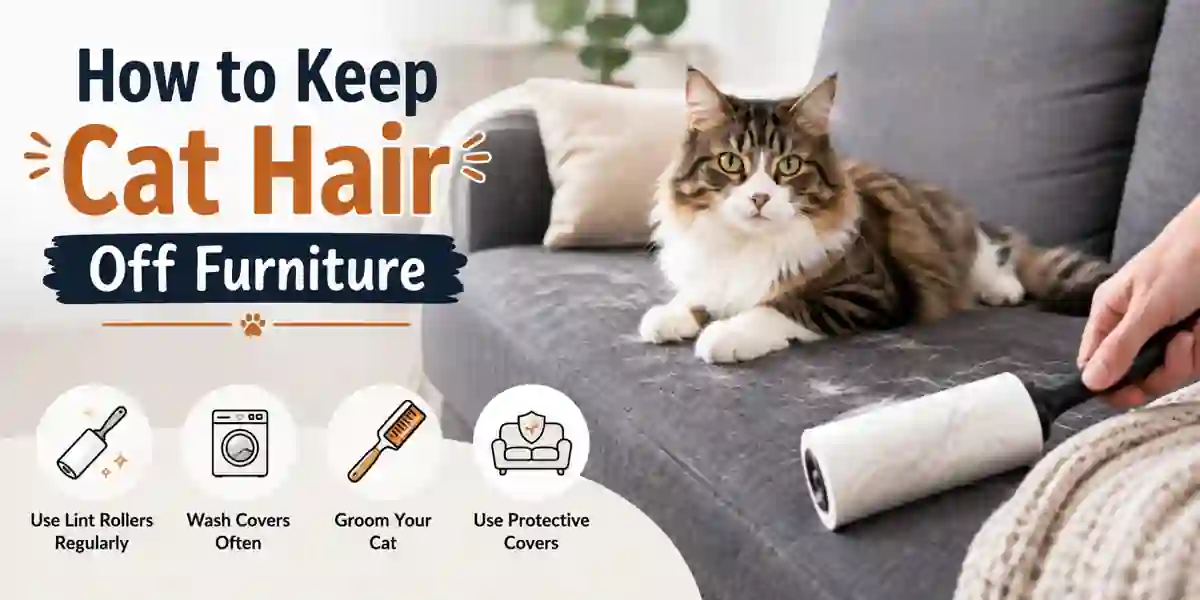
How to Keep Cat Hair Off Furniture in 2026 (Quick Guide)
Dealing with a shedding cat means a continuous battle against stray hairs clinging to your furniture. Understanding how to keep cat hair off furniture isn’t just about aesthetics; it’s about maintaining a comfortable and cleaner living space. Fortunately, several effective methods exist that can make a significant difference.
Our research indicates that different fabric types and hair textures respond best to specific treatments. For instance, coarse, wiry hairs might embed differently in a rough tweed than fine, fluffy hairs on a velvet couch. Pet owners often find success by combining regular grooming for their cat with targeted cleaning strategies for their upholstery.
Quick Answer
To keep cat hair off furniture, regularly groom your cat and employ effective hair removal tools like rubber gloves, fabric groomers, or specialized vacuum attachments on upholstery. Consistent maintenance is key, tackling stray hairs before they deeply embed into fabric fibers. This approach reduces allergens and preserves your furniture’s appearance.
Understanding the Cat Hair Problem on Your Furniture
Cat hair finds its way onto furniture through daily interaction, shedding cycles, and even static cling. It’s not just the visible fluff; smaller, almost invisible hairs can become deeply embedded in fabric weaves, making them incredibly difficult to remove with simple dusting or wiping. This is particularly true for synthetic fabrics, which can generate static electricity that actively attracts and holds onto pet dander and hair.
Why Does Cat Hair Stick So Tenaciously?
Our editorial analysis of common household issues shows that cat hair adheres to furniture due to several factors. Firstly, the barb-like structure of many cat hairs allows them to hook onto fabric fibers. Secondly, static electricity, especially prevalent in dry indoor environments or during cooler months, acts like a magnet, pulling and holding hairs in place.
Fabrics with textured weaves or loose knits are especially susceptible, as the hairs can find numerous anchor points. For instance, aggregate reviews report that materials like velvet and corduroy often require more intensive cleaning than smoother fabrics like leather.
Your First Line of Defense: Quick Wins for Hair Removal
Before diving into deeper cleaning methods, there are simple, immediate actions you can take to tackle surface cat hair effectively. These techniques are perfect for daily touch-ups or when unexpected guests are on their way. They rely on basic principles of friction and adhesion to lift hairs off your furniture without requiring specialized equipment.
The “Rubber Glove Swipe” Trick
A surprisingly effective method involves using a damp rubber glove. Simply put on a standard household rubber glove, slightly dampen it with water (you don’t want it dripping), and then wipe your hands across the surface of the furniture in one direction. The friction created by the rubber causes the hair to gather into clumps that you can then easily pick up and discard.
This works well on most upholstery fabrics and is a cost-effective solution.
Quick-Fix Lint Rollers: What to Look For
Lint rollers are a staple for quick cleanups, but their effectiveness varies. For cat hair, look for rollers with extra-sticky adhesive sheets. Manufacturer specifications often indicate the strength of the adhesive, with some products designed specifically for pet hair.
These rollers work by pressing the sticky surface onto the fabric, lifting hairs with each peel. While convenient, they can become costly over time if you have a lot of furniture or a heavy shedder.
Tackling Embedded Hair: Deeper Cleaning Methods
While quick fixes are great for daily maintenance, deeply embedded cat hair often requires more robust solutions. These methods are designed to dig into the fabric’s weave and dislodge those stubborn strands that simple wiping or rolling can’t reach. Investing in the right tools can save you significant time and effort in the long run.
Unleashing the Power of Fabric Groomers & Pet Hair Tools
Specialized pet hair removal tools, often called fabric groomers or pet hair removers, are game-changers for embedded fur. These tools typically feature textured surfaces, like rubber blades, raised silicone dots, or specific fabric weaves, designed to “grab” and lift hair. When used with a sweeping or rolling motion, they can pull out hairs that have woven themselves into the upholstery.
Editorial analysis of such tools suggests they can be more effective than standard brushes for this specific task, as their design focuses on grip rather than just surface collection.
When to Call in the Vacuum: Specialized Attachments
A powerful vacuum cleaner, especially one equipped with specific pet attachments, can be your secret weapon against embedded cat hair. Many modern vacuums come with mini-motorized brushes or specialized upholstery tools designed to agitate fabric and lift stubborn pet hair. These attachments often have a strong suction combined with rotating bristles that can dislodge hair from deep within the fibers.
For example, a vacuum with a 3-horsepower motor and a dedicated mini-turbine tool can make a noticeable difference, as noted in many product specifications.
Choosing the Right Tool for Your Furniture and Cat
Not all furniture fabrics are created equal when it comes to cat hair, nor are all cats the same in their shedding habits. Understanding these variables is crucial to selecting the most effective cleaning method. What works wonders on one sofa might be less effective on another, and what suits a long-haired Persian might differ from what’s needed for a short-haired domestic shorthair.
Fabric Types and How They Meet Hair
The weave, texture, and material of your furniture significantly impact how easily cat hair attaches and how hard it is to remove. Different fabrics require different approaches to avoid damage while maximizing hair removal.
- Microfiber: This dense, tightly woven fabric is generally good at resisting hair penetration, but once hair does embed, it can be challenging to remove due to its soft, napped surface. Gentle but firm strokes with a rubber glove or fabric groomer often work best here.
- Velvet: Known for its soft pile, velvet can trap hair on the surface and within its fibers. Static electricity can be a big issue with velvet, making it attract more hair. A dedicated pet hair remover or a slightly damp microfiber cloth can help lift hair without flattening the pile.
- Linen: Natural fibers like linen can be more breathable, but their textured weave can still trap cat hair. Hair may not embed as deeply as in synthetics, but it can still cling stubbornly. Frequent brushing or a vacuum with an upholstery attachment is usually effective.
- Leather: Leather is generally the easiest to clean. Cat hair typically sits on the surface and can be wiped off with a soft cloth or a furniture polish. However, sharp claws can scratch leather, so gentle handling is always advised.
Your Cat’s Shedding Style Matters
The amount and type of hair your cat sheds plays a huge role in your cleaning efforts. Cats with dense undercoats, like long-haired breeds, tend to shed more and their hair can be finer and more prone to embedding.
- Heavy Shedders: If your cat is a persistent shedder, daily quick cleanups are usually necessary. Investing in a high-quality vacuum with a pet-specific attachment set from a reputable brand like Dyson or Shark, which often feature tools designed to tackle embedded hair, can be worthwhile.
- Fine vs. Coarse Hair: Fine hair can be harder to see and collect, often requiring sticky surfaces or static-driven removal methods. Coarser hairs might stand up from the fabric more, making them easier targets for brushes or rubber tools.
The Step-by-Step Workflow to Beat Cat Hair
Successfully keeping cat hair off your furniture involves a consistent routine rather than a one-time fix. This workflow combines preventative measures with targeted cleaning to ensure your home remains as hair-free as possible. Think of it as an ongoing strategy to manage your cat’s natural shedding process.
Step 1: Regular Cat Grooming
The most effective way to reduce the amount of hair ending up on your furniture is to remove it from the source. Regular grooming of your cat will significantly decrease shedding. The frequency depends on your cat’s breed and coat type.
For example, long-haired breeds might benefit from daily brushing, while short-haired cats may only need it a few times a week. Tools like deshedding brushes can help remove loose undercoat hair before it has a chance to fall.
Step 2: Pre-Treating Your Upholstery
Before you start actively cleaning your furniture, a quick pre-treatment can make a difference. Lightly misting the fabric with water can help loosen static electricity and make hair easier to gather. Avoid soaking the fabric; a fine mist is all that’s needed.
For certain fabrics, a specialized fabric protector spray can also help reduce static cling and make future hair removal easier.
Step 3: The Best Removal Techniques in Action
This is where you directly tackle the hair on your furniture. Depending on the fabric and how much hair has accumulated, you’ll choose from a few proven methods.
- Manual Methods: For quick touch-ups or less severe build-up, a damp rubber glove is excellent. For more embedded hair, a dedicated pet hair remover tool with a textured surface can make sweeping motions to collect hair into piles. Disposable or reusable lint rollers are also useful for surface hair.
- Vacuuming Strategy: When using a vacuum, ensure you’re using the correct attachment. The crevice tool is great for edges and seams, while a mini-motorized brush or an upholstery tool is best for larger flat surfaces. Always vacuum in overlapping strokes, working against the direction the hair tends to lie for maximum pickup.
Step 4: Maintaining the Hair-Free Zone
Once your furniture is clean, the goal is to keep it that way. This involves establishing a regular cleaning schedule. For homes with heavy shedders or multiple pets, daily or every-other-day quick sweeps with a rubber glove or lint roller may be necessary.
A more thorough vacuuming session once or twice a week will help prevent significant build-up. Covering frequently used areas with washable throws or blankets can also provide an easily cleaned barrier.
Common Mistakes That Make Hair Removal Harder
Many people struggle with cat hair on furniture because they fall into common traps that make the job harder or less effective. Avoiding these pitfalls can save you time, frustration, and potentially prevent damage to your beloved furniture.
Overlooking Crevices and Tight Spots
Cat hair doesn’t just sit on the surface; it loves to collect in the tight spots, seams, and under cushions where it can hide and embed itself. If you only focus on the visible areas, you’re missing a significant portion of the problem. Using a crevice tool on your vacuum cleaner or a small brush or even your fingers (with a glove on) to reach into these areas is essential for a complete clean.
Using the Wrong Tools for Delicate Fabrics
Not all cleaning tools are suitable for every type of furniture fabric. Abrasive brushes or overly aggressive suction can damage delicate materials like silk, velvet, or fine weaves. Always test a new cleaning tool or method on an inconspicuous area of your furniture first.
If you’re unsure about your fabric type, consulting the manufacturer’s care instructions is a good practice. For instance, using a stiff upholstery brush on a very fine weave could cause pulls or snags, making the problem worse.
Expert Tips for Long-Term Hair Management
Keeping your furniture looking its best in a cat-friendly home is about more than just immediate cleaning; it’s about smart, long-term strategies. Implementing a few proactive measures can drastically reduce the daily battle against cat hair. These tips focus on prevention and making your existing furniture easier to manage.
Upholstery Protectants: A Smart Investment?
Our analysis of product reviews and manufacturer claims suggests that upholstery protectants can be a worthwhile investment for those struggling with pet hair. These sprays create a barrier on fabric fibers that makes it harder for hair and dander to adhere strongly. They can also repel liquids, making accidental spills easier to clean.
They work by altering the surface tension of the fabric, reducing static cling and making hair slide off rather than embed. When considering these, look for products specifically designed for pet owners or upholstery and ensure they are safe for your specific fabric type. You should also check their compatibility if you are researching for use with, for example, kitten food spills, to ensure no adverse reactions occur.
Creating a Cat-Friendly Furniture Strategy
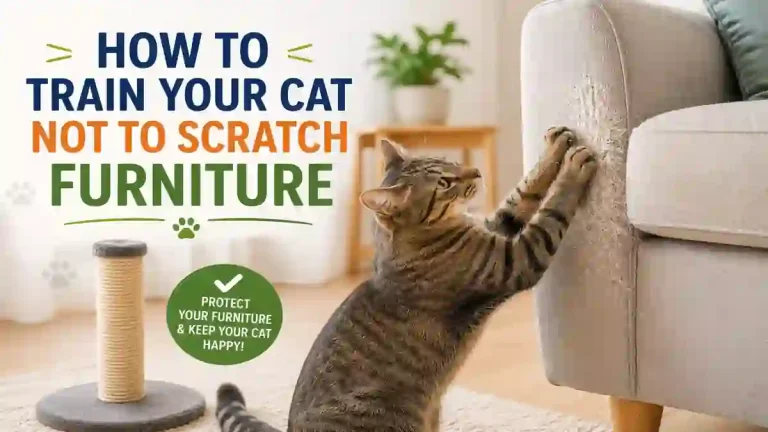
Beyond direct cleaning, consider how you use your furniture and whether it’s conducive to a multi-pet household. Providing dedicated, comfortable scratching posts and high perches can divert your cat’s attention and energy away from your sofa or chairs, thus reducing claw marks and potential damage. Additionally, washable furniture covers or throws on your cat’s favorite spots act as a sacrificial layer.
These can be easily removed and thrown in the wash, saving your actual upholstery from accumulating heavy amounts of hair and dirt. This is a practical approach, especially for frequently used pieces of furniture, and can extend the life and appearance of your upholstery significantly.
When to Re-Evaluate Your Approach
Sometimes, even with a consistent routine, you might feel like you’re constantly fighting a losing battle against cat hair. This is often a sign that your current methods or tools aren’t the best fit for your specific situation. It’s important to recognize when a change is needed rather than continuing with ineffective practices.
Signs Your Current Methods Aren’t Enough
If you find yourself spending an excessive amount of time cleaning, or if the hair consistently reappears shortly after you’ve removed it, your approach may need an adjustment. Persistent visible hair on furniture, despite regular cleaning efforts, indicates that the hair is embedding too deeply or returning too quickly. This could mean your tools aren’t aggressive enough for your upholstery type or your cat’s shedding level.
We’ve seen aggregate buyer feedback that points to this frustration when basic tools are used on heavily textured fabrics. If your upholstery still looks visibly fuzzy or patchy with hair after a thorough cleaning session, it’s time to consider a new strategy.
The Role of Furniture Material in Hair Build-Up
As discussed earlier, the type of fabric your furniture is made from plays a critical role in how cat hair behaves. Extremely dense weaves, looped textures, or fabrics with a strong static charge inherently attract and hold more hair than smoother, less static-prone materials. For instance, while leather is easily wiped down, a very deep-pile shag rug used as throw might become a hair magnet.
If you’re constantly struggling with a particular piece of furniture, consider its material as the primary culprit. Swapping out cushions with removable, washable covers made from smoother fabrics could be a tactical step. If your current furniture is proving impossible to keep hair-free, your next furniture purchase could be informed by this knowledge, prioritizing fabrics known for ease of pet hair removal.