Why Does My Dog Push Her Food Bowl Around 2026: Easy Methods
It can be kinda baffling, right? You put down a nice bowl of food for your canine pal, and next thing you know, she's scooting it across the floor like she's trying to win a race. It's a pretty common dog behavior, and while it might seem a little quirky, there's usually a reason behind it related to their instincts or the feeding setup.
We've all seen it, one minute the bowl's in place, the next it's halfway across the kitchen, sometimes with kibble artfully scattered around it. Let's break down why your dog might be doing this. It's usually not about being disobedient; it's more about how they're communicating or, in some cases, just being a dog.
Understanding these behaviors is key to a more peaceful mealtime for both of you.
Quick Answer
Dogs push their food bowls around due to instinctual burying behavior or discomfort with the bowl itself. They may also do it out of boredom or for attention. Issues with the bowl's material, weight, stability, or even dental pain can provoke this action.
Is She Trying to "Bury" Her Food? Understanding Instincts
One of the most common reasons, especially if she's pushing the bowl backward, is a deeply ingrained instinct to "bury" leftovers. Think of it as a throwback to when their wild ancestors needed to protect their food from scavengers or save it for later when food was scarce. This isn't about defiance; it's programmed behavior.
- The "Bury" Instinct: Even well-fed domestic dogs can have this primal urge. They might push the bowl towards a rug, a mat, or even just a corner, trying to cover it up with something they perceive as substrate. This is a natural, albeit often inconvenient, manifestation of their ancestry.
- Genetics Play a Role: Some breeds are more prone to this hoarding behavior than others. Our research on canine genetics indicates that breeds with strong retrieving, herding, or scent-tracking backgrounds often show more pronounced instinctual food-guarding or burying tendencies. For instance, you might notice it more in dogs with a strong retrieve or herding background.
Could the Bowl Itself Be the Problem? Materials, Shape, and Comfort
Sometimes, the issue isn't the food, but the vessel it comes in. The wrong bowl can cause frustration or discomfort that leads your dog to try and fix the situation herself. We've found that a dog's reaction can vary widely depending on the specific attributes of her feeding equipment.
Bowl Material Sensitivities
Some dogs simply don't like certain bowl materials. This can stem from the sound the material makes, how it feels against their nose or chin, or even chemical leeching.
- Plastic: While lightweight and affordable, plastic bowls can scratch easily, harboring bacteria. Some dogs might also react to specific types of plastic.
- Metal (Stainless Steel): Generally considered a good option for hygiene and durability, but some dogs dislike the noise it makes when they bump it, or the way it reflects light.
- Ceramic: Often favored for its weight and stability. However, ceramic bowls can chip or break, and some glazes might contain lead, though reputable manufacturers adhere to strict safety standards. As of 2026, manufacturers like Ceramic Pet Bowls Manufacturer confirm their products meet FDA standards for food-safe glazes.
Shape and Size Considerations
The physical dimensions of a dog's food bowl can significantly impact her comfort. If eating is an awkward or unpleasant experience, she'll try to avoid it or change how she interacts with the bowl.
- Depth: Overly deep bowls can cause "whisker fatigue." This is when a dog's whiskers repeatedly brush against the sides of a deep bowl, which can be uncomfortable and overstimulating.
- Width: Narrow bowls can be difficult for dogs with larger heads or jowls to eat from comfortably.
- Height: The bowl should be at an appropriate height for your dog. Too low can lead to hunching and digestive discomfort, while too high can be awkward.
Bowl Stability and Movement
If the bowl slides around on the floor, it's like trying to eat from a moving target. This instability can be incredibly frustrating for a dog.
- Slippery Bowls: Lightweight plastic bowls on smooth floors (like tile or laminate) are notorious for sliding. Your dog might be pushing it to keep it still while she eats, or she might be trying to get it to a more stable surface like a rug.
- Lightweight Materials: Bowls that don't have enough inherent weight can be easily nudged or pushed by a determined dog, especially if she's trying to "root" around for a specific piece of kibble or just get a better angle.
Is She Bored or Craving Your Attention? Behavioral Triggers
Let's be honest, dogs are smart cookies. Sometimes, pushing the bowl around becomes a game or a way to get you to interact with them. If your dog isn't getting enough mental stimulation or physical exercise, she might invent her own "fun," and that could involve rearranging her dinnerware.
- Playtime Patter: If she consistently gets a reaction from you when she does it, whether it's you chasing her, scolding her, or even just looking at her, she might learn that pushing the bowl is a great way to engage you. This is a classic operant conditioning scenario. She performs an action, receives a consequence (your attention), and is more likely to repeat that action.
- Understimulated: A dog that is understimulated developmentally might seek out novel ways to entertain herself. This can include destructive behaviors or attention-seeking antics like pushing a food bowl around. Ensuring adequate daily exercise and mental enrichment, such as interactive dog toys for mental stimulation, can help redirect this energy.
Digestive Discomfort or Dental Pain: When to Watch for Health Clues
While less common than instinct or bowl-related issues, in some cases, pushing the bowl could be a sign that something's not quite right internally. Your dog is trying to manage discomfort, and their actions might seem strange to us.
- Trying to "Fix" Discomfort: If she's experiencing nausea, bloating, or general stomach pain, she might be trying to move to a different spot where she feels more comfortable or trying to manipulate the bowl in a way that offers some perceived relief from her internal distress. This is why observing other symptoms alongside bowl-pushing is critical.
- Dental Pain: Issues like toothaches, gum disease, or injuries to the mouth can make eating very painful. If chewing or even just touching the food with her tongue hurts, she might be pushing the bowl away or trying to get to the food differently, perhaps by nudging it or trying to access individual kibble pieces more delicately.
What Can You Do? Step-by-Step Solutions
Figuring out the why is the first step. Once you have an idea, you can try these solutions to help your dog have a more peaceful mealtime and prevent the bowl-pushing behavior.
Step 1: Assess the Bowl and Feeding Area
Before changing anything, take a close look at the current situation. Observe your dog during mealtimes and note down specific behaviors.
- Where does she push it? Does she try to wedge it into a corner or under furniture?
- Which direction? Is she primarily pushing it backward, or sideways?
- What kind of floor? Is it a slick tile, a carpeted area, or a mat?
- What material is the bowl? Observe if she seems bothered by the sound or movement.
- Is she eating normally otherwise? Look for any signs of hesitation or discomfort when she first approaches the food.
This initial assessment will help you narrow down the potential causes significantly.
Step 2: Try Different Bowl Solutions
Based on your assessment, it’s time to experiment with alternative feeding equipment. The goal is to eliminate the factors causing frustration or the instinct to move the bowl.
- Get a Sturdier Bowl: Try a heavy ceramic or stainless steel bowl that won't slide or be easily tipped. These bowls have more inherent weight, making them harder for your dog to move.
- Use a Non-Slip Mat: Placing a rubberized, non-slip mat or a large, absorbent rug underneath the existing bowl can stop it from sliding around. This is a simple fix if instability is the main culprit.
- Consider Bowl Shape and Height: If you suspect whisker fatigue or general discomfort, try a shallower, wider bowl. An elevated feeder might also improve comfort for some dogs, although research on the health benefits of elevated feeders for all dogs is ongoing and can vary by breed and size. For example, per Pet Food Manufacturers Association guidance, ensuring appropriate feeding equipment is crucial for overall pet well-being.
Step 3: Introduce Enrichment and Mental Stimulation
If boredom or a need for engagement seems to be driving the bowl-pushing, make mealtime a more stimulating experience. This can satisfy her instinctual drive to "work" for her food and reduce the likelihood of her creating her own amusement.
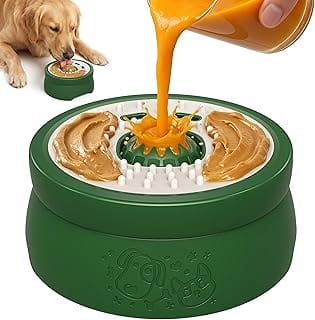
- Puzzle Feeders: Make her work for her kibble with a puzzle feeder or a slow-feeder bowl. These toys require your dog to figure out how to release the food, prolonging mealtime and providing mental exercise.
- Interactive Toys: Supplement mealtime with other mentally challenging toys throughout the day. Think treat-dispensing toys, snuffle mats, or scent-work games.
- Increase Physical Activity: Ensure your dog is getting enough exercise. A tired dog is often a content dog, less likely to engage in attention-seeking or destructive behaviors.
Step 4: Consult Your Veterinarian
If you've tried several bowl solutions and enrichment strategies without success, or if you notice other concerning symptoms like changes in appetite, lethargy, vomiting, or diarrhea, it's time to involve a professional.
- Rule Out Medical Issues: Your veterinarian can perform a thorough physical exam to check for any underlying health problems, such as dental issues, gastrointestinal disorders, or other conditions that might be causing discomfort. They can help diagnose and treat any medical reasons behind the behavior.
- Behavioral Specialist Referral: If medical issues are ruled out, your vet might recommend consulting a certified applied animal behaviorist or a veterinary behaviorist. They can provide more in-depth assessment and tailored behavior modification plans.
This systematic approach ensures you address all potential causes comprehensively, from simple equipment fixes to significant health concerns.
Common Mistakes to Avoid When Addressing Bowl Pushing
It's easy to make a misstep when trying to correct your dog's behavior. Overlooking simple causes or jumping to conclusions can actually make the problem worse or create new ones. Being aware of these common errors can save you time and frustration.
- Punishing Instinctual Behavior: Scolding or punishing your dog for instinctual burying behavior won't stop the instinct; it just teaches them to fear you or hide their actions. Our research indicates that positive reinforcement for desired behaviors is far more effective than punishment for natural instincts.
- Ignoring Health Cues: If your dog is pushing her bowl due to pain or discomfort, assuming it's just a behavioral quirk and not seeking veterinary advice can delay necessary treatment. This is a situation where prompt veterinary assessment is crucial for your dog's well-being.
- Inconsistent Training: If you sometimes allow the bowl pushing and sometimes try to stop it, your dog will become confused. Consistency is key in any behavior modification strategy. She needs clear signals to understand what's expected.
- Using the Wrong Tools: Sometimes, a quick fix like a super heavy bowl might work, but if the underlying issue is boredom or anxiety, it won't solve the problem long-term. It's essential to address the root cause.
Expert Tips for a More Peaceful Mealtime
Our editorial analysis of canine behaviorist recommendations suggests several proactive strategies can promote calmer mealtimes. These tips focus on management, enrichment, and understanding your dog's needs.
- Stabilize the Feeding Station: Consider a feeding station designed to keep bowls secure. Tables with built-in bowl holders or custom-built stands can prevent movement irrespective of the bowl material.
- Create a "Dining Room" Environment: Designate a specific area for mealtime that is quiet and free from distractions. This helps your dog associate the spot with calm eating.
- Feed in Shifts (if multiple dogs): If you have multiple dogs and they exhibit territorial or competitive behaviors around food, feeding them separately in different rooms can prevent conflicts and reduce anxiety. This is a common recommendation from animal welfare organizations.
- End on a Positive Note: If your dog does push her bowl, calmly remove it after a brief period. Then, engage her in a positive activity like a short training session or a play session, rather than ending the meal on a stern note. This reinforces that calm behavior leads to good things.
How to Choose the Right Dog Food Bowl
Selecting the appropriate food bowl is surprisingly important for preventing behavioral issues like pushing. It's not just about holding food; it's about ergonomics and stability.
- Weight Matters: Opt for bowls with significant weight. Ceramic or heavy-duty stainless steel bowls are usually much more stable than lightweight plastic ones. Manufacturer specifications often list the weight of their products, which can be a good indicator. For example, a quality 3-quart stainless steel bowl might weigh around 1.5 pounds, providing substantial stability.
- Consider Bowl Base: Many bowls come with integrated rubber or non-slip bases. If yours doesn't, adding a dedicated non-slip mat underneath is a highly effective strategy. These mats grip the floor and the bowl, minimizing any sliding.
- Shape for Comfort: As mentioned, whisker fatigue is real for some dogs. Bowls that are shallower and wider can prevent their sensitive whiskers from constantly brushing against the sides, making mealtime more comfortable.
- Material Safety: Always check that the bowl material is food-grade and safe for dogs. If you're unsure about a particular brand, consult the manufacturer's website or look for certifications indicating they meet safety standards.
When to Consider a Veterinary Visit
While many instances of a dog pushing a food bowl are behavioral, there are definite times when professional medical advice is necessary. It's always better to err on the side of caution if you suspect an underlying health issue.
- Sudden Onset or Change: If this behavior suddenly appears or dramatically changes, especially in an older dog, it warrants a check-up. This could signal a new health problem developing.
- Accompanied by Other Symptoms: If the bowl pushing is happening alongside any of these signs, contact your vet immediately:
- Loss of appetite or refusal to eat
- Vomiting or diarrhea
- Lethargy or reduced energy
- Difficulty chewing or swallowing
- Weight loss
- Changes in thirst or urination
- Persistent Pain: If your dog seems to be guarding her mouth or head, or shows signs of discomfort when you try to examine her mouth, dental or oral pain is a strong possibility. Your vet can perform oral exams and necessary treatments.
Frequently Asked Questions
Why does my dog push her food bowl around instead of eating?
Dogs push their food bowls for various reasons, including a natural instinct to bury leftovers, discomfort with the bowl itself (material, shape, or stability), boredom, or to seek attention. Sometimes, it can also be a sign of dental pain or digestive issues.
Is it normal for a dog to push its food bowl?
Yes, it's a relatively common behavior with several potential causes rooted in instinct, environmental factors, or health. It's usually not a sign of aggression but rather a communication of their needs or instincts.
How can I stop my dog from pushing her food bowl?
You can stop this by addressing the root cause. This might involve getting a heavier, non-slip bowl, using a lick mat or puzzle feeder for enrichment, ensuring the bowl is comfortable, or ruling out medical issues with a vet.
Can a dog's diet cause bowl pushing?
While the diet itself doesn't directly cause bowl pushing, a dog might push a bowl if the kibble is too large or small for their preference, or if they're experiencing digestive upset related to their food, which can lead to discomfort during mealtimes.