Guide to Which Is Better for Cats Wet or Dry Food in 2026
Choosing the right food for your feline friend can feel like a puzzle, and you’re not alone if you’ve wondered: Which is better for cats, wet or dry food? Both have their fans and their drawbacks, and what works best often comes down to your individual cat’s needs, your lifestyle, and specific health considerations. Understanding the core differences is the first step in making an informed decision that supports your cat’s lifelong health and happiness.
Our research, which includes analysis of manufacturer specifications and aggregate veterinary feedback, confirms that neither wet nor dry food is universally superior. According to AAFCO (Association of American Feed Control Officials) guidelines, both can provide complete and balanced nutrition when formulated correctly. However, their differing moisture levels, nutrient profiles, and physical properties mean they offer distinct benefits and potential challenges.
Quick Answer
Wet food excels at hydrating cats and often provides more animal-based protein with fewer carbs. Dry food offers unmatched convenience and can aid dental hygiene for some cats. Neither is inherently “better”; the ideal choice depends on your cat’s health, age, and your daily routine.
Decoding Cat Food: What’s Actually Inside?
Understanding the fundamental makeup of wet and dry cat food helps clarify their distinct roles. At their core, these are manufactured meals designed to meet a cat’s specific nutritional requirements. Cats are obligate carnivores, meaning their diet ideally consists of animal-based protein.
Wet Food: Moisture, Protein, and Palatability
Wet cat food, often called canned food or pâté, boasts a high moisture content, typically ranging from 70% to 80%. This significant water addition is crucial for feline health, as cats naturally have a low thirst drive and get much of their hydration from their prey. Manufacturer specifications often highlight higher protein percentages derived from animal sources, with a generally lower carbohydrate count compared to many dry foods.
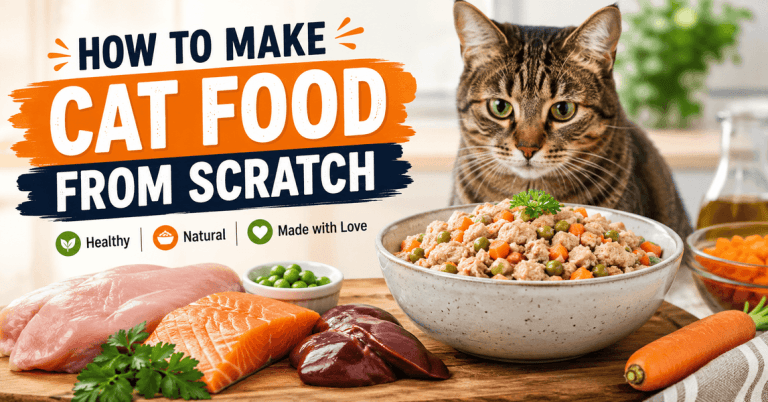
This profile closely mimics a cat’s ancestral diet, contributing to its generally high palatability; most cats find wet food incredibly appealing due to its texture and aroma. For those interested in making homemade diets, our guide offers a starting point, though professional formulation is always recommended.
Dry Food (Kibble): Convenience, Crunch, and Calories
Dry cat food, commonly known as kibble, is characterized by its low moisture content, usually between 6% and 10%. This makes it shelf-stable and easy to store, a huge win for busy owners. The manufacturing process typically involves extrusion, which creates the small, crunchy pieces that cats bite and chew.
While formulations vary wildly, many dry foods are calorie-dense due to their concentrated nature. This calorie density, combined with the ease of leaving kibble out all day for free-feeding, can contribute to feline obesity if not managed carefully. Our article explores its creation and common ingredients in more detail.
Wet Food: The Good, The Bad, and The Chunky
Wet cat food has become the go-to choice for many owners due to its perceived health benefits and high acceptance rate among felines. Its formulation allows for a range of textures and flavors, catering to even the most discerning palates.
Benefits of Wet Cat Food
- Hydration Powerhouse: The most significant advantage of wet food is its high water content. This is critical for cats, who evolved from desert-dwelling ancestors and don’t always have a strong instinct to drink from a bowl. Adequate hydration supports kidney function and can help prevent urinary tract issues, a common concern in cats.
- Protein-Packed Punch: Wet foods often feature a higher percentage of animal-based protein, which is essential for cats as obligate carnivores. This high protein content supports muscle development and overall body function.
- Appealing to Picky Eaters: The aroma and texture of wet food are generally more enticing to cats than kibble. If you’re struggling with a finicky eater, switching to a palatable wet food can significantly improve their food intake.
- Weight Management Aid: Because wet food has a lower calorie density per volume compared to dry food, it can make cats feel fuller on fewer calories. This can be a key factor in managing your cat’s weight. For owners concerned about calorie intake, understanding is vital.
Drawbacks of Wet Cat Food
- Spoilage and Storage Hassles: Once opened, wet food spoils relatively quickly. It typically needs to be refrigerated and used within a specific timeframe, often just 24-72 hours, depending on the product and storage conditions. Our guide provides detailed guidance on this. Proper handling is key to preventing bacterial growth and ensuring your cat eats safely.
- Dental Debate Continues: While some argue that the softer texture of wet food doesn’t contribute to dental cleaning, others point out that it doesn’t exacerbate dental issues any more than dry food, and the focus should be on overall diet and dental care practices.
- Cost Factor: Generally, wet food is more expensive per serving than dry food. This can add up significantly over time, especially for owners of multiple cats or larger breeds.
Dry Food (Kibble): The Convenient Choice
Dry cat food, or kibble, is a staple in many feline households thanks to its ease of use and long shelf life. It’s formulated to be palatable and convenient, making it a popular choice for owners who are often on the go.
Benefits of Dry Cat Food
- Unbeatable Convenience: Perhaps the biggest draw of kibble is its convenience. You can leave it out for your cat to graze on throughout the day without worrying about spoilage. This makes it ideal for busy schedules and multi-cat households where individual feeding times might be impractical.
- Potential Dental Cleaning: The crunchy texture of kibble can, in some cases, help to scrape tartar and plaque off a cat’s teeth as they chew. However, for this to be truly effective, the kibble needs a specific abrasive texture, and it’s not a substitute for regular dental check-ups and professional cleanings.
- Budget-Friendly Bites: Kibble is typically more economical than wet food. When you compare cost per serving or per pound, dry food often comes out as the more budget-friendly option, making it accessible for more owners.
- Longer Shelf Life: Once opened, a bag of dry food can last for several weeks if stored properly in an airtight container, away from heat and humidity. This longevity reduces waste and ensures your cat always has access to food. However, the nutritional value can degrade over time, and it’s best to finish a bag within 4-6 weeks for optimal freshness.
Drawbacks of Dry Cat Food
- Dehydration Risks: The most significant concern with dry food is its low moisture content. Cats given only dry food may not consume enough water, potentially leading to dehydration and an increased risk of urinary tract infections and kidney problems. Adequate fresh water should always be available.
- Higher Carb Load: Many dry cat foods, especially those not specifically formulated for low-carb diets, contain a higher percentage of carbohydrates derived from grains or starches. While cats can digest carbs, they are not essential to their diet and an excess can contribute to weight gain and diabetes.
- Obesity Concerns: Because kibble is so calorie-dense and easy to free-feed, it can contribute to feline obesity. Overweight cats are at higher risk for a host of health issues, including diabetes, arthritis, and heart disease. Careful portion control is essential for cats on dry food diets. Understanding issues relevant to anemic cats also requires careful attention to overall diet quality and nutrient absorption.
Comparing Wet and Dry Food Head-to-Head
| Feature | Wet Food | Dry Food (Kibble) |
|---|---|---|
| 1. Moisture | High (70-80%) | Low (6-10%) |
| 2. Protein | Generally Higher | Variable, often lower than wet |
| 3. Carbs | Generally Lower | Generally Higher |
| 4. Cost | Higher per serving | Lower per serving |
| 5. Convenience | Lower (requires refrigeration, prep) | Higher (easy to serve, leave out) |
| 6. Palatability | High for many cats | Variable can be less appealing |
| 7. Dental Benefit | Often disputed, limited | Potential for mechanical cleaning |
| 8. Hydration | Excellent | Minimal |
| 9. Shelf Life | Short once opened | Long if stored properly |
Who Needs What? Matching Food to Your Cat
Deciding between wet and dry food isn’t about picking the “best” overall, but rather the best fit for your unique cat and your household. Their age, health status, and even their personal preferences play a huge role.
Best for Kittens: Growing Needs
Kittenhood is a critical period for development, and nutrition is paramount. Many veterinarians recommend wet food for kittens because its higher moisture and protein content can support rapid growth and development. It’s also often easier for tiny mouths to manage than crunchy kibble.
However, high-quality kitten-specific dry food is also an option, especially if you’re looking to establish good eating habits early. For specific age guidelines on kitten food, consult resources on the best cat food for a 6-month-old kitten.
Best for Adult Cats: Balancing Act
For most adult cats in good health, a balanced diet can be achieved with either wet or dry food, or a combination of both. If your cat tends to experience dehydration or urinary issues, a predominantly wet-food diet is often advisable. Conversely, if convenience and cost are major factors, a high-quality dry food can work, provided ample fresh water is always available.
Understanding the nuances of what’s the healthiest dry cat food is crucial if you lean towards kibble. Mixed feeding, offering both wet and dry food at different meals, is a popular approach that can offer the benefits of each.
Best for Senior Cats: Softer, Digestible Options
As cats age, their nutritional needs can change. Senior cats may develop dental problems, making it difficult to chew hard kibble, or they might suffer from digestive issues. Wet food, with its softer texture and often higher digestibility, is frequently recommended for senior cats.
It also helps maintain hydration, which is crucial as kidney function can decline with age. If a senior cat has specific health concerns, consult your vet for tailored dietary advice.
Best for Weight Management
Weight management is a significant concern for many cat owners. For cats needing to lose weight, wet food can be particularly beneficial due to its lower calorie density. It allows cats to eat a more substantial volume of food, increasing satiety without excessive calorie intake.
Dry food can also be used, but requires extremely careful portion control and often specialized low-calorie formulas. Free-feeding dry food is generally not recommended for cats needing to shed pounds.
Best for Hydration Support
Cats are notoriously poor drinkers, and dehydration can lead to serious health problems like kidney disease and urinary crystals. Wet food inherently provides a substantial amount of water, making it the superior choice for cats who need extra hydration support. If your cat is on a dry food diet, ensure they have multiple fresh water sources available at all times, and consider adding a pet drinking fountain, which can encourage more water intake.
Common Mistakes When Feeding Your Cat
Making the wrong choices about your cat’s diet can lead to short-term discomfort and long-term health issues. Being aware of these common pitfalls can help you avoid them.
- Relying Solely on Dry Food for Hydration: This is perhaps the most critical mistake. Cats need more water than they typically drink from a kibble-only diet. Always ensure fresh water is plentiful and readily accessible, or consider a mixed feeding approach.
- Ignoring Ingredient Quality: Not all cat foods are created equal. “Fillers” like excessive corn, wheat, or soy can be less digestible and provide fewer essential nutrients than high-quality animal proteins. Always check the ingredient list and prioritize foods where a named meat source is the first ingredient.
- Sudden Food Transitions: Cats can have sensitive digestive systems. Switching abruptly from one food to another can cause stomach upset, vomiting, or diarrhea. Always transition your cat to a new food gradually over 7-10 days, mixing increasing amounts of the new food with decreasing amounts of the old.
- Overfeeding Both Wet and Dry: If you choose to feed a combination of wet and dry food, be mindful of total daily calorie intake. It’s easy to overdo it when offering both, leading to weight gain. Measure portions accurately for both types of food.
- Not Reading AAFCO Statements: The Association of American Feed Control Officials (AAFCO) sets the standards for animal feed nutritional adequacy. Look for a statement on the packaging that confirms the food is “complete and balanced” for your cat’s life stage (kitten, adult, senior). This ensures the food meets essential nutritional requirements.
Common Mistakes When Feeding Your Cat
Making the wrong choices about your cat’s diet can lead to short-term discomfort and long-term health issues. Being aware of these common pitfalls can help you avoid them.
- Relying Solely on Dry Food for Hydration: This is perhaps the most critical mistake. Cats need more water than they typically drink from a kibble-only diet. Always ensure fresh water is plentiful and readily accessible, or consider a mixed feeding approach.
- Ignoring Ingredient Quality: Not all cat foods are created equal. “Fillers” like excessive corn, wheat, or soy can be less digestible and provide fewer essential nutrients than high-quality animal proteins. Always check the ingredient list and prioritize foods where a named meat source is the first ingredient.
- Sudden Food Transitions: Cats can have sensitive digestive systems. Switching abruptly from one food to another can cause stomach upset, vomiting, or diarrhea. Always transition your cat to a new food gradually over 7-10 days, mixing increasing amounts of the new food with decreasing amounts of the old.
- Overfeeding Both Wet and Dry: If you choose to feed a combination of wet and dry food, be mindful of total daily calorie intake. It’s easy to overdo it when offering both, leading to weight gain. Measure portions accurately for both types of food.
- Not Reading AAFCO Statements: The Association of American Feed Control Officials (AAFCO) sets the standards for animal feed nutritional adequacy. Look for a statement on the packaging confirming the food is “complete and balanced” for your cat’s life stage (kitten, adult, or senior). This ensures the food meets essential nutritional requirements.
Expert Tips for Feeding Your Feline
Navigating the world of cat nutrition can seem complex, but a few expert insights can simplify the process and lead to a healthier, happier cat. These tips focus on practical application and informed decision-making.
- The Case for Mixed Feeding: Many veterinarians recommend a mixed feeding approach, offering both wet and dry food. This strategy leverages the benefits of each: the hydration and protein of wet food, combined with the convenience and potential dental benefits of dry food. It also provides variety, which can be important for picky eaters.
- Portion Control is Key: Regardless of the food type you choose, accurate portioning is vital. Overfeeding, especially with calorie-dense dry kibble, is a primary driver of feline obesity. Use a measuring cup designed for pet food, and consult your vet for specific portion recommendations based on your cat’s age, weight, activity level, and the food’s calorie density.
- Listen to Your Cat!: Your cat will often tell you what they prefer and what works for them. Pay attention to their energy levels, coat condition, and digestion. If your cat consistently refuses a certain food or develops digestive upset, it’s a sign to re-evaluate the diet.
- Consult Your Veterinarian: For tailored advice, especially if your cat has underlying health conditions like diabetes, kidney disease, or allergies, always consult your veterinarian. They can assess your cat’s individual needs and recommend the most appropriate diet, whether it’s a specific type of wet food, dry food, or a specialized therapeutic diet.
Making the Final Decision: Your Cat’s Best Meal Plan
Ultimately, determining whether wet or dry food is “better” for your cat hinges on their individual circumstances and your capacity to meet their needs. There’s no single answer that applies to every feline, as their requirements vary greatly based on age, health status, and lifestyle. This comparison aims to equip you with the knowledge to make the best choice.
If your primary concerns are hydration, ensuring adequate protein intake, and appealing to a picky eater, wet food is often the superior choice. Its high moisture content directly addresses a cat’s natural, low thirst drive and supports overall organ function. However, its cost and storage requirements might be drawbacks for some owners.
Conversely, if convenience, budget, and perhaps a perceived dental benefit are higher priorities, dry food can be a suitable option. Its ease of use makes it ideal for busy households, and it’s generally more economical. It’s crucial, though, to be diligent about providing plenty of fresh water and to manage portions carefully to prevent weight gain and related health issues.
Frequently Asked Questions
Can I feed my cat only dry food?
Yes, you can feed your cat only dry food, provided it is a high-quality, nutritionally complete, and balanced formula that meets AAFCO standards. However, it is critical to ensure your cat drinks enough water to compensate for the food’s low moisture content. This may involve providing multiple water bowls, a pet drinking fountain, or even adding water to their dry food.
Is wet food better for cats with urinary issues?
Wet food is generally considered better for cats prone to urinary issues due to its high moisture content. Adequate hydration helps dilute the urine, which can reduce the risk of crystal formation and urinary tract infections. However, specific formulations might be required for certain conditions, so consulting a veterinarian is essential.
How much wet food should I feed my cat per day?
The amount of wet food to feed your cat depends on its calorie content, your cat’s age, weight, activity level, and metabolism. As a general guideline, manufacturers often provide feeding charts on their packaging. For an average adult cat, this could range from 4 to 8 ounces of wet food per day, often split into two meals.
Always consult your veterinarian for precise portioning advice.
Does dry food really clean a cat’s teeth?
The dentally beneficial claim for dry food is often debated and depends heavily on the kibble’s texture and size. Some specialized dental diets use larger kibble with a rougher texture that can physically scrub teeth during chewing, helping to reduce plaque and tartar buildup. However, this effect is limited and not a substitute for regular veterinary dental check-ups and potential professional cleaning.
Can I mix wet and dry food for my cat?
Yes, mixing wet and dry food is a common and often beneficial practice known as mixed feeding. It allows your cat to benefit from the hydration and palatability of wet food while enjoying the convenience and cost-effectiveness of dry food. Ensure you accurately calculate total daily calorie intake to avoid overfeeding.
This approach can also introduce variety, which may help prevent future food aversion.