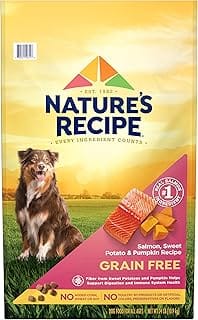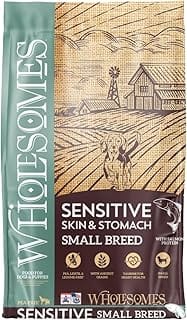
What Is a Good Hypoallergenic Dog Food: What Actually Works
When your dog starts scratching incessantly or suffering from tummy troubles, the first thing many pet parents consider is their diet. Figuring out what is a good hypoallergenic dog food can feel overwhelming, especially with so many options and conflicting advice. It’s about finding a food that minimizes common triggers and supports your dog’s well-being.
Our research indicates that identifying the right food often involves understanding your dog's specific sensitivities and choosing formulations designed for digestibility and reduced allergen exposure. For instance, manufacturer specifications for many limited-ingredient diets confirm they exclude common allergens like chicken and corn, while adhering to Association of American Feed Control Officials (AAFCO) guidelines for complete and balanced nutrition. This focus on digestible ingredients and careful formulation is key.
Quick Answer
A good hypoallergenic dog food uses novel protein sources and limited ingredients. These diets avoid common allergens like chicken, beef, corn, and wheat. They often feature ingredients like duck, venison, or fish with carbohydrates such as sweet potatoes or peas.
The goal is improved digestibility and reduced skin or stomach reactions for sensitive dogs.
The Sensitive Dog Diet: Why We're Even Talking About This
You've probably noticed that some dogs just seem more prone to issues than others. It might be a constant itch, recurring ear infections, or just a generally unsettled stomach. These aren't just random occurrences; for many dogs, these symptoms point directly to dietary sensitivities or allergies.
When a dog reacts to something in their food, it’s their immune system kicking into overdrive. This can manifest in a variety of unpleasant ways, impacting their quality of life and your peace of mind. The idea behind a hypoallergenic or sensitive diet is to remove these common troublemakers from their food bowl.
It’s a targeted approach to bring calm back to your dog's body.
Decoding "Hypoallergenic": What the Label Really Means
The term "hypoallergenic" on a dog food bag isn't as regulated as you might think. It doesn't mean the food is guaranteed to cause zero reactions in every single dog. Instead, it generally signifies that the food has been formulated to exclude common ingredients that frequently trigger allergies or sensitivities in dogs.
Our research suggests that most hypoallergenic dog foods focus on two main strategies: using novel protein sources and employing a limited ingredient approach. Novel proteins are those a dog hasn't been regularly exposed to, making a reaction less likely. Limited ingredient diets are exactly what they sound like: they contain fewer ingredients overall, making it easier to pinpoint or avoid potential allergens.
For example, many limited ingredient dog food formulations will list only one or two protein sources and one main carbohydrate.
Core Ingredients to Look For (And Avoid!)
When you're scrutinizing those ingredient lists, there are certain types of ingredients that are generally considered safer for sensitive dogs, and others you'll want to watch out for. It’s like navigating a minefield, but with a little knowledge, you can make better choices.
Novel Protein Powerhouses
These are the stars of the hypoallergenic dog food world. Novel proteins are typically meats that your dog hasn't encountered frequently in their diet, or perhaps ever. Because sensitivities often develop over time with repeated exposure to the same proteins, introducing something new can be a game-changer.
- Duck: Often well-tolerated and highly palatable.
- Venison: A lean red meat that many dogs do well with.
- Salmon: Rich in omega-3 fatty acids, great for skin health, but some dogs can be sensitive to fish.
- Lamb: While better tolerated by some than chicken or beef, it can still be a trigger for certain dogs.
- Rabbit: A lean, easily digestible option.
- Other Options: You might also find foods featuring ingredients like bison, kangaroo, or even fish like whitefish or herring, depending on the brand and its specific formulation.
When you see these listed as the primary protein source, it's a good sign you're looking at a food designed for sensitive systems.
Carbohydrate Choices for Sensitive Stomachs
Beyond the protein, the carbohydrate source is also important. Many dogs react to grains, particularly corn and wheat, which are common fillers in conventional dog foods. Hypoallergenic diets often opt for alternative carbohydrate sources that are easier to digest and less likely to cause problems.
- Sweet Potatoes: A popular choice, providing fiber and vitamins.
- Potatoes: Another easily digestible starch.
- Peas: Often used as a source of protein and carbohydrates, though some dogs can have pea sensitivities.
- Oats: Some foods may use oats, which are lower on the allergen list for many dogs compared to corn or wheat.
What to Steer Clear Of
While focusing on what is in the food is crucial, knowing what to actively avoid is just as important. These are the ingredients that our research and aggregate buyer feedback consistently flag as potential culprits for adverse reactions.
- Common Proteins: Chicken, beef, and dairy products are the most frequent triggers for dog allergies and sensitivities.
- Common Grains: Corn, wheat, and soy are widely cited as potential allergens.
- Artificial Additives: Artificial colors, flavors, and preservatives can cause sensitivities in some dogs, even if they aren't considered primary allergens.
- By-Product Meals: While not always an allergen, the quality and source of by-product meals can be less predictable and harder to digest for sensitive dogs.
Limited Ingredient Diets (LID): Simplicity for Sensitivity
Limited Ingredient Diets, or LID, are a cornerstone for managing canine food sensitivities. The concept is elegantly simple: by drastically reducing the number of ingredients in a dog's food, you significantly decrease the chances of encountering an ingredient that causes an adverse reaction. It’s a principle that makes intuitive sense for detective work on a dog’s dietary issues.
This approach is particularly beneficial when you're trying to pinpoint a specific allergen. When a dog is on an LID, and their symptoms improve, you can be more confident that the ingredients present are well-tolerated. Conversely, if you introduce a new LID and symptoms persist, it points towards a potential sensitivity to one of the few ingredients it contains.
Many brands offer LID options within their hypoallergenic ranges, often featuring just a single novel protein and a digestible carbohydrate.
When Your Vet Recommends Specific Diets
Sometimes, even with the best over-the-counter hypoallergenic foods, a dog's sensitivities are too complex to manage. This is where veterinary therapeutic diets, often called prescription diets, come into play. These are not your average pet store kibble; they're formulated under strict veterinary supervision for specific health conditions, including severe food allergies.
These prescription diets are designed with unique protein and carbohydrate sources that are highly hydrolyzed. Hydrolyzed proteins are proteins that have been broken down into very tiny pieces, so small that a dog's immune system doesn't recognize them as a threat. This makes them an excellent option for dogs with very strong or numerous sensitivities.
Your veterinarian is the only one who can prescribe these foods, and they will guide you on the best option for your dog's unique needs. They are typically more expensive but can offer significant relief for severely affected animals.
How to Find the Right Hypoallergenic Food for Your Dog
Navigating the world of hypoallergenic dog food might seem daunting, but breaking it down into manageable steps makes it much easier. The most effective approach involves a combination of professional guidance, careful ingredient selection, and patient observation. It’s not a quick fix, but a process aimed at long-term well-being for your dog.
Step 1: Talk to Your Vet, Always
Before you even start shopping, have a thorough conversation with your veterinarian. They are your best resource for pinpointing potential causes of your dog's symptoms. Your vet can help determine if the issue is truly diet-related or if there's another underlying medical condition at play.
They might recommend an elimination trial. This involves feeding your dog a novel protein and carbohydrate source exclusively for a period, usually around 8 to 12 weeks. During this time, you’ll meticulously track any changes in your dog's symptoms.
If symptoms improve, you’ll then strategically reintroduce ingredients one by one to identify the specific triggers. This methodical process is often the most reliable way to ensure you’re not just guessing.
Step 2: Analyze Those Ingredient Lists
Once you have a better understanding of potential triggers, it's time to become a label detective. As we've discussed, look for novel proteins and single-source ingredients. Avoid foods with long lists of fillers, artificial additives, and common allergens like chicken, beef, corn, and wheat.
When reviewing formulas, pay attention to the guaranteed analysis. This is usually found on the back of the bag and provides percentages for crude protein, fat, fiber, and moisture. While not directly indicative of hypoallergenic properties, it helps you understand the nutritional breakdown.
Many manufacturers also provide extensive information on their websites about ingredient sourcing and their commitment to avoiding common allergens. This transparency is a good sign.
Step 3: The Trial Period: Watching for Changes
Finding the right food is an experiment, and a crucial part of that experiment is the trial period. Once you've selected a new food based on your vet's advice and ingredient analysis, commit to feeding it exclusively for at least 8 to 12 weeks. During this time, keep a detailed log of your dog's condition.
Note any improvements in skin condition (less itching, fewer hot spots), digestive regularity (firmer stools, less gas), and overall energy levels. Conversely, record any new or worsening symptoms. If after the trial period you see significant improvement, you've likely found a winner.
If symptoms persist or worsen, it's time to consult your vet again, possibly trying a different protein source or a veterinary therapeutic diet. This patience is key to success.
Common Pitfalls When Choosing Sensitive Dog Food
Even with the best intentions, selecting the right food for a sensitive dog can lead to a few common missteps. One of the biggest is impatience. Many pet parents expect immediate results after switching foods, but it can take weeks for sensitivities to subside or for a reaction to become obvious.
Another pitfall is assuming all "hypoallergenic" foods are created equal; as we've seen, the term can be broad, so scrutinizing the ingredient list is always necessary.
Overlooking other environmental or topical allergens is also common. A food allergy might be contributing to your dog's issues, but so could pollen, dust mites, or flea bites. If you address only the food, you might not see the full picture or achieve complete relief.
Finally, self-diagnosing without veterinary input can lead to trial-and-error that frustrates both you and your dog.
Benefits of a Well-Chosen Hypoallergenic Diet
When you finally lock down the right hypoallergenic food for your dog, the benefits are deeply rewarding. The most visible improvement is often to their skin. Less itching means fewer scratched-up areas, reduced redness, and a shinier, healthier coat.
This physical comfort translates into a happier, more relaxed dog.
Digestive issues often see marked improvement too. Regular, firm stools and a reduction in gas and vomiting contribute to your dog’s overall well-being and make life easier for everyone. This dietary management can also help prevent secondary issues like ear infections, which are frequently linked to underlying food sensitivities.
It’s about restoring balance from the inside out.
Comparing Your Best Hypoallergenic Dog Food Options
When exploring hypoallergenic options, you'll primarily encounter a few main categories. Each serves a slightly different purpose and may be better suited depending on your dog's specific needs and your veterinarian's recommendations. Understanding these distinctions helps you make a more informed choice.
- Limited Ingredient Diets (LID): These are your first line of defense for identifying sensitivities. They use a short, focused list of ingredients, typically one novel protein and one carbohydrate source. LID is excellent for dogs with suspected allergies to common ingredients.
- Novel Protein Diets: These foods feature proteins dogs aren't commonly exposed to, like duck, venison, or rabbit. They might have slightly more ingredients than a strict LID but still aim to avoid typical triggers. These are great when LID has already helped pinpoint a protein or when you're moving beyond basic LID.
- Veterinary Therapeutic Diets: These are prescription-only foods. They often use hydrolyzed proteins or highly specialized ingredients for dogs with severe allergies or multiple sensitivities. Your vet will guide you on selecting these. They offer the highest level of control but come at a higher cost and require veterinary oversight.
How to Transition to a New Food Safely
Switching your dog to a new hypoallergenic food needs to be done gradually to avoid upsetting their digestive system. A sudden change can lead to vomiting or diarrhea, even if the new food is perfectly suited for them. A common method involves mixing the new food with the old in increasing proportions over 7-10 days.
Here’s a typical breakdown for that transition:
- Days 1-2: 25% new food, 75% old food.
- Days 3-4: 50% new food, 50% old food.
- Days 5-6: 75% new food, 25% old food.
- Day 7 onwards: 100% new food.
Monitor your dog closely throughout this period. If you notice any digestive upset at any stage, slow down the transition or revert to the previous ratio for a few more days before trying again.
Understanding the Cost and Long-Term Commitment
Hypoallergenic and limited-ingredient dog foods are generally more expensive than standard kibble. This is due to the specialized ingredients, often higher quality proteins, and stricter manufacturing processes involved. For instance, a 15-pound bag of a novel protein LID might cost between $50 and $80, whereas a conventional kibble of the same size could be $20 to $40.
This cost is an important consideration, as these specialized diets are usually intended for long-term feeding. While the initial investment might seem high, many owners find the reduction in veterinary visits for skin and digestive issues can offset some of the ongoing food expense. It's an investment in your dog's overall health and comfort.
Frequently Asked Questions
How long does it take to see results from a hypoallergenic diet?
It can take anywhere from 8 to 12 weeks of consistent feeding to see significant improvements in your dog's symptoms. Some dogs may show changes sooner, but this timeframe allows their system to fully adapt and for the body to heal from any inflammation caused by previous food triggers.
Can I feed my dog human food if they have allergies?
While it might seem like a good idea to offer "safer" human foods, it's generally not recommended without strict veterinary guidance. Many human foods, even those considered healthy for us, can contain hidden allergens or be nutritionally incomplete for dogs. Stick to dog-specific diets designed for sensitivities.
What if my dog is allergic to multiple proteins?
If your dog has multiple protein allergies, your veterinarian will likely recommend a highly hydrolyzed veterinary therapeutic diet. These diets break proteins down so small they are unrecognizable to the immune system, making them suitable even for dogs with extensive sensitivities to common and novel proteins.
Is grain-free the same as hypoallergenic?
Not necessarily. While many hypoallergenic diets are grain-free because grains can be allergens, being grain-free doesn't automatically make a food hypoallergenic. A food could be grain-free but still contain common protein allergens like chicken or beef, which could trigger a reaction in a sensitive dog.
Keeping Your Pup Comfortable Long-Term
Transitioning to a hypoallergenic diet is often just the first step in managing your dog's sensitivities. Long-term comfort means understanding that their needs might evolve, and consistency is key. Always store the food properly according to manufacturer guidelines to maintain freshness and prevent spoilage, which could lead to new digestive issues.
Regular check-ins with your veterinarian are also crucial. They can monitor your dog's overall health and confirm that the diet remains effective. Remember, a happy dog is a comfortable dog, and the right food plays a massive role in achieving that daily comfort and preventing chronic discomfort.
Final Recommendation: What Constitutes a "Good" Choice
Ultimately, a "good" hypoallergenic dog food is one that demonstrably resolves or significantly reduces your dog's allergic or sensitivity symptoms. This isn't about picking the most expensive brand or the one with the trendiest ingredients. It’s about finding a food that your dog not only tolerates but thrives on, as confirmed by a veterinarian.
If you've worked with your vet, identified triggers, tried novel proteins, and observed sustained improvement in your dog’s skin, coat, and digestion over several weeks, you've likely found a winner. The best food is the one that brings lasting relief and allows your furry family member to live their happiest, healthiest life.