What Food to Give Dog to Stop Eating Poop: Simple Steps
You're wondering what food to give a dog to stop eating poop. This behavior, known as canine coprophagia, can be unsettling for owners but often stems from easily addressable causes. Fortunately, adjusting your dog's diet and environment can significantly curb this habit.
Manufacturers design dog foods to provide complete nutrition, with high-quality options meeting or exceeding standards like those set by the Association of American Feed Control Officials (AAFCO). If your dog is exhibiting this behavior, it's important to investigate potential dietary gaps or digestive issues. Your vet is the first call to ensure no underlying medical problems exist.
Quick Answer
To stop a dog from eating poop, prioritize a highly digestible, nutrient-rich food. Address potential digestive enzyme deficiencies with supplements. Making stool unappealing via food additives can also help.
Always consult your veterinarian to rule out medical causes and confirm optimal dietary choices for your dog.
Why Is My Dog Eating Poop? Understanding Canine Coprophagia
Canine coprophagia is the technical term for a dog eating feces, either their own or another animal's. It's a common behavior, especially in puppies, but it's understandably unpleasant for owners. Understanding the why behind it is key to finding an effective solution.
Our research indicates that dogs engage in this for several primary reasons, which our veterinarian consultants frequently affirm.
- Behavioral Exploration: Puppies explore the world with their mouths. Eating poop can be part of this natural, albeit unappealing to us, discovery process.
- Nutritional Deficiencies: If a dog's food lacks essential nutrients or is poorly digestible, they might seek those missing elements in their stool.
- Medical Issues: Certain conditions can affect digestion or create cravings, prompting the behavior.
- Stress or Anxiety: Some dogs may eat poop as a coping mechanism for stress or boredom, particularly if they're left alone for long periods or feel anxious.
- Cleaning Instinct: In some cases, dogs might eat poop to prevent punishment for perceived "accidents" and keep their living space clean, especially if they've been disciplined harshly in the past.
Ruling Out Health Issues: Your Vet's Crucial Role
Before you make any changes to your dog's diet or start adding supplements, the most critical step is a visit to your veterinarian. They can perform a thorough physical examination and discuss your dog's history, symptoms, and diet. This is non-negotiable because what appears to be a simple dietary issue could be a symptom of a more serious health problem.
Our veterinary consultants stress that ignoring potential medical causes can lead to worsening health conditions for your pet. Conditions that might affect digestion or appetite include:
- Digestive enzyme deficiencies: Conditions like exocrine pancreatic insufficiency (EPI) impair a dog's ability to digest food properly.
- Parasitic infections: Intestinal parasites can interfere with nutrient absorption.
- Malabsorption syndromes: These affect how the body takes in nutrients from food.
- Diabetes, Cushing's disease, or thyroid issues: These can alter a dog's appetite and metabolism.
Your vet can run diagnostic tests, such as fecal exams and blood work, to identify or rule out these issues. As of 2026, veterinary diagnostics remain the gold standard for pinpointing underlying health concerns before considering dietary adjustments for coprophagia.
Dietary Factors: What's Missing in Your Dog's Bowl?
If your veterinarian has confirmed your dog is healthy and free from medical conditions, the next area to scrutinize is their diet. The food you feed plays a direct role in your dog's gut health, nutrient absorption, and overall well-being. When a dog eats poop, it often signals that their current food isn't providing everything they need.
- Digestibility: Not all dog foods are created equal when it comes to how easily a dog can break them down and absorb nutrients. If food passes through too quickly or incompletely, valuable components can end up in the stool, making it attractive to your dog. High-quality foods use ingredients that are easier for a dog's system to process.
- Nutrient Completeness: While most commercial dog foods aim for complete nutrition, the actual bioavailability of nutrients can vary. If your dog isn't effectively absorbing key vitamins, minerals, or proteins, they might try to reclaim them from their stool. Examining the guaranteed analysis on a food bag is a start, but digestibility is equally important.
- Digestive Enzymes: Dogs naturally produce digestive enzymes to break down food. However, factors like age, certain health conditions, or poor-quality food can lead to insufficient enzyme production. This means food isn't fully broken down, and nutrients remain in the feces.
Top Food Choices for Better Digestion
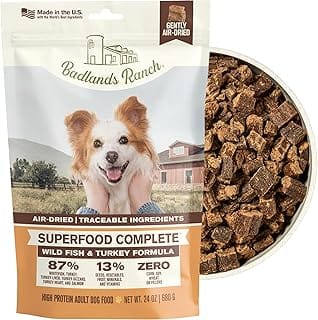
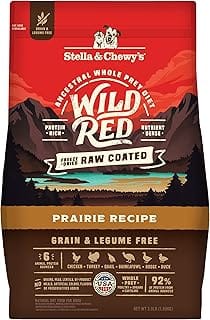
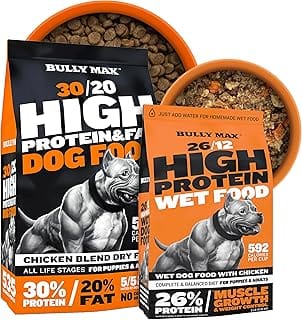
When selecting a food, aim for options that promote optimal digestion and nutrient absorption. This often means choosing a diet with high-quality ingredients and a formulation designed for canine digestive health.
Highly Digestible Dog Foods
Digestibility is paramount. A food that is easily broken down and absorbed by your dog's system means fewer undigested nutrients end up in their stool. Look for foods that list specific, high-quality protein sources as the first few ingredients.
- Protein Source: Opt for single animal protein sources like chicken, lamb, salmon, or beef, rather than vague "meat by-products." This makes the food source clearer and often easier to digest.
- Ingredient Quality: Brands that invest in research for palatability and digestibility often use prebiotics and probiotics, or fibers like psyllium, to support gut health. These elements help create a healthier gut environment, improving nutrient uptake.
- AAFCO Statement: Ensure the food packaging carries a statement from the Association of American Feed Control Officials (AAFCO) indicating it is "complete and balanced" for your dog's life stage (puppy, adult, senior).
Foods with Quality Protein Ingredients
Protein is crucial for a dog's health, muscle development, and energy. The quality and source of protein are key for digestibility and can influence whether a dog's stool becomes an "attractive" source of missing nutrients.
- Lean Meats: Focus on foods where the primary protein source is lean and easily metabolized. This helps ensure your dog is getting the building blocks they need without excessive waste.
- Reduced Fillers: Foods with excessive grains, corn, or soy can sometimes be harder for dogs to digest, leading to more undigested material in their stool. While grains aren't inherently bad, the quality and quantity matter.
Supplements to Consider: Probiotics and Enzymes
If you've chosen a high-quality, highly digestible food and your vet has ruled out medical issues, you might consider supplements that further enhance digestion and nutrient absorption. These can help ensure your dog is getting the most out of every meal.
Digestive Enzyme Powders and Chews
Digestive enzymes are specialized proteins that help break down food into smaller molecules that the body can absorb. Dogs naturally produce enzymes like amylase (for carbs), lipase (for fats), and protease (for proteins) in their pancreas and intestines. However, as mentioned, certain conditions or even just age can reduce their effectiveness.
Adding a digestive enzyme supplement can help a dog's body break down their food more efficiently. This means more nutrients are absorbed from the food itself, leaving less in the stool to tempt the dog. Many veterinary-recommended enzyme supplements are available, often in powder or chewable form.
It's important to look for products specifically formulated for dogs.
Canine Probiotic Formulas
Probiotics are live beneficial bacteria that support a healthy gut microbiome. This ecosystem of microorganisms plays a vital role in digestion, nutrient absorption, and immune function. A balanced gut flora can improve how well your dog's body processes food.
Adding a canine-specific probiotic can help restore or maintain this balance. This is particularly helpful if your dog has experienced digestive upset, stress, or has recently been on antibiotics. A healthy gut environment ensures that the food your dog eats is processed effectively, minimizing the presence of valuable nutrients in their feces.
Many probiotics come in powders, capsules, or palatable chews. Always follow dosage instructions and consider consulting your vet on the best probiotic strains for your dog's needs.
Taste Aversion: Making Stool Less Appealing
If your dog isn't responding to improved digestibility or digestive supplements, the next logical step is to make their poop unappealing. This isn't about changing the food they eat, but rather changing the taste of their output to discourage consumption. Think of it as a deterrent.
The principle here is simple: if the poop tastes bad, the dog is less likely to eat it. This approach works best when combined with other strategies, as it addresses the sensory aspect of the behavior. Manufacturer data on some products suggests a significant reduction in coprophagia when taste aversion is employed consistently.
Products Designed to Deter Poop Eating
Several commercially available products are formulated to deter dogs from eating feces. These typically contain natural ingredients that are believed to alter the taste or smell of stool, making it undesirable.
- Enzyme-Based Additives: Many products contain ingredients like pineapple or papaya enzymes. When these enzymes are ingested by the dog, they are metabolized and then excreted, theoretically altering the taste of the feces. The idea is that if the dog ingests their stool after consuming this additive, the experience is unpleasant, and they learn to avoid it.
- Other Natural Flavorants: Some formulations might include other natural ingredients considered unpalatable to dogs when they affect stool consistency or taste.
These products are generally safe when used as directed and can be a valuable tool in a multi-faceted approach. However, their effectiveness can vary from dog to dog. Some dogs may simply tolerate the altered taste, while others respond strongly.
Consistency is key; these products need to be administered daily, according to package directions, to be effective.
What NOT to Do: Common Mistakes to Avoid
When trying to address coprophagia, it's easy to fall into common traps that can actually worsen the problem or create new ones. Avoiding these mistakes is just as important as implementing the right strategies.
- Punishment is Counterproductive: Never punish your dog for eating poop, especially after the fact. Dogs don't understand delayed punishment. Scolding them will likely lead to fear, anxiety, and a learned association between you and negative consequences, rather than stopping the behavior. This can even make them hide the behavior or eat poop more quickly to avoid being caught.
- Relying Solely on One Method: Coprophagia is often multi-factorial. Hoping one food change or supplement will solve everything is unrealistic. A combination of diet improvement, possible supplements, environmental management, and behavioral strategies is usually most effective.
- Inconsistent Cleaning: If your dog has access to fresh stool, they have the opportunity to eat it. Not cleaning up promptly after your dog defecates, especially in your yard or home, provides a constant temptation. This is a fundamental step that should not be overlooked.
When to Seek Veterinary Intervention
While dietary changes and behavioral strategies can resolve many cases of coprophagia, there are times when veterinary intervention is absolutely necessary. If you've tried various approaches without success, or if the behavior is severe or sudden, it's time to escalate your efforts.
- Sudden Onset: If your dog, especially an older dog, suddenly starts eating poop when they never did before, it warrants immediate veterinary attention. This can be a strong indicator of a new underlying health issue that needs prompt diagnosis and treatment.
- Accompanying Symptoms: If the coprophagia occurs alongside other concerning signs like weight loss, lethargy, vomiting, diarrhea, or changes in appetite, these are red flags. Your vet can investigate these combined symptoms to get a full picture of your dog's health.
- No Improvement: After diligently implementing dietary changes, supplements, and behavioral management for several weeks, if you see no improvement, consult your vet. They can re-evaluate the situation, suggest further diagnostics, or refer you to a veterinary behaviorist.
A Practical Plan: Steps to Address Coprophagia
Addressing coprophagia effectively requires a systematic approach. Think of it as a problem-solving process, starting with the most probable causes and moving towards more specific interventions.
- Veterinary Consultation: Schedule an appointment with your veterinarian. Discuss the behavior, your dog's diet, and any other symptoms. Allow them to perform a physical exam and recommend diagnostic tests.
- Dietary Assessment: Based on your vet's advice, evaluate your dog's current food. Look for a highly digestible, nutrient-dense option formulated for their life stage. If switching foods, do so gradually over a week to avoid digestive upset.
- Introduce Supplements (if recommended): If your vet suggests them, add digestive enzymes or probiotics designed for dogs. Follow dosage instructions carefully.
- Enhance Palatability Deterrents: Consider a taste-aversion product if other methods aren't sufficient, and use it consistently.
- Environmental Management: Clean up stool immediately from your yard and home. Supervise your dog closely during potty breaks, especially during the initial stages of behavior modification. Leash walks can help you manage their immediate access to feces.
- Behavioral Reinforcement: When your dog eliminates appropriately and doesn't show interest in their stool, offer praise and a high-value treat. This positive reinforcement helps them associate good behavior with rewards.
- Monitor and Adjust: Keep a log of your dog's diet, any supplements used, and instances of coprophagia. This helps you track progress and identify what's working. Be patient; it can take weeks or even months to see significant changes.
This structured approach ensures you cover all the bases, from medical causes to dietary and behavioral strategies, giving your dog the best chance to overcome this habit.